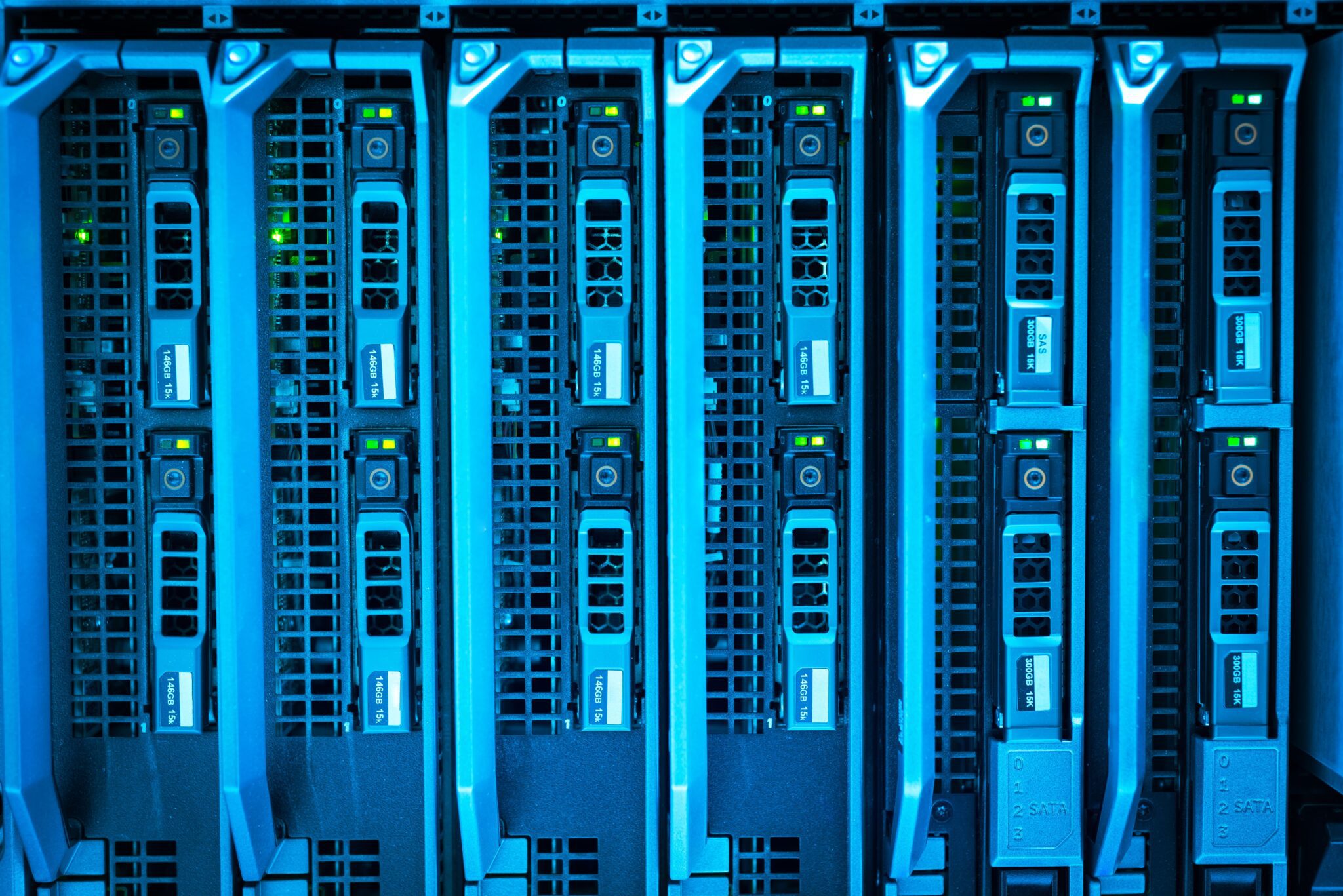
A systems administrator in Denver once spent an entire weekend troubleshooting a server that kept throttling under normal load. No obvious cause, no error logs pointing anywhere useful. The answer turned out to be sitting on top of the heat sink: a fine layer of construction dust from renovation work happening two floors up, pulled in through the HVAC system and settling exactly where it could do the most damage. Nobody had thought to seal the server room during construction. It cost them a replacement fan array and a very frustrating Saturday.
That’s the kind of expense that never shows up in an IT budget spreadsheet, and it’s exactly the sort of cost people mean when they talk about resilience being more expensive than the line items suggest.
Facility Design Costs Are Mostly Invisible Until Something Fails
Executives approving data center or server room budgets tend to focus on the equipment itself, racks, switches, cooling units, the visible hardware that shows up on a purchase order. What gets skipped is everything protecting that equipment from the building around it.
A dust barrier is one of those unglamorous items nobody thinks to budget for until a renovation somewhere in the building sends particulate matter straight into a server intake fan. Server rooms adjacent to construction zones, or even just older buildings with imperfect sealing, need physical barriers between the equipment space and everything else happening in the facility. It’s a cheap fix relative to the alternative, which is replacing hardware that failed because dust accumulated on components never designed to handle it.
This is the pattern with facility-level resilience generally. The preventive measure costs very little. The failure it prevents costs a lot, and by the time anyone notices the connection, the money’s already been spent cleaning up rather than preventing.
Cooling and Sealing Decisions Compound Over Years, Not Days
A room that isn’t properly sealed doesn’t just risk dust. It loses climate control efficiency slowly, in ways that don’t show up as a single dramatic failure but as a gradual increase in cooling costs and a gradual decrease in equipment lifespan. Five years in, a poorly sealed server room has cost more in cumulative cooling inefficiency and premature hardware replacement than a properly sealed one would have cost from day one, including the sealing itself.
Nobody notices this in year one. That’s exactly the problem. Facility decisions that seem like minor cost-cutting early tend to compound into much larger expenses later, and by the time the pattern is obvious, the room has usually already been through at least one preventable hardware failure.
Cloud Backup Pricing Hides Its Real Cost Behind an Attractive Entry Point
Shift from the physical side to the digital side, and a similar pattern shows up. The cost of Azure Backup looks reasonable when a team first sets up their retention policy, priced per gigabyte with what seems like a manageable monthly estimate. Then data volume grows. Retention periods extend because compliance requirements demand longer history. And the bill that seemed predictable at setup starts climbing in ways that weren’t obvious from the initial pricing page.
This isn’t a hidden fee or a bait-and-switch. It’s just how storage-based pricing works, and teams that don’t revisit their backup configuration regularly end up paying for retention policies that made sense two years ago and don’t anymore. A quarterly review of what’s actually being retained, and why, catches this before it becomes a surprise line item that finance asks uncomfortable questions about.
The Common Thread: Prevention Is Cheap, Recovery Is Not
Whether it’s a physical barrier keeping construction dust out of a server room or a backup policy that gets reviewed before costs balloon, the pattern repeats across both categories. Small, unglamorous, recurring attention prevents large, dramatic, expensive failure. Neither dust barriers nor backup cost reviews are exciting enough to make it into a strategic planning deck. They just happen to be the difference between a resilient system and one that looks resilient until the day it isn’t.
Organizations that get this right usually aren’t spending dramatically more than everyone else. They’ve just stopped treating physical facility care and digital cost management as separate conversations, handled by different departments who never talk to each other, and started treating both as the same ongoing discipline of paying attention before something forces you to.