Rethinking What Wealth Really Means
In conversations about wealth, the focus is often on growth. How to build it, protect it, and pass it on. While these are important goals, they only tell part of the story. Increasingly, individuals and families are beginning to redefine wealth not just as what they accumulate, but as what they contribute. True wealth carries the potential to influence lives far beyond one’s immediate circle, creating ripples of impact that extend into the broader community.
Strategic giving is one of the most meaningful ways to activate that potential. It shifts philanthropy from a reactive gesture into a thoughtful, values-driven practice. Instead of giving in response to a single moment, it becomes an ongoing commitment rooted in purpose and intention.
From One-Time Giving to Lasting Impact
For many, the journey into philanthropy begins with a simple act. A donation during a time of crisis or a response to a heartfelt appeal. These moments matter, but they can also serve as the starting point for something deeper. When giving is approached with intention, it evolves into a long-term strategy that reflects personal values and priorities.
This kind of giving asks different questions. Rather than “How much can I give right now?” it becomes “Where can my contribution make a meaningful and lasting difference?” The shift may seem subtle, but it transforms the entire experience. It encourages consistency, reflection, and a deeper understanding of the issues being addressed.
Over time, this approach leads to stronger partnerships with organizations and a clearer sense of purpose for the giver. It also allows philanthropy to become integrated into everyday life, rather than existing as a separate or occasional activity.
Creating a Legacy Through Generosity
One of the most powerful aspects of intentional giving is its ability to shape future generations. Children are deeply influenced by what they observe, and when they see generosity modeled in a thoughtful and consistent way, it leaves a lasting impression. They begin to understand that resources are not just for personal use, but can also be directed toward helping others.
These lessons often become part of a family’s identity. Conversations about giving can naturally evolve into discussions about values, responsibility, and empathy. In this way, philanthropy becomes more than an action, it becomes a shared language that connects generations.
Families who embrace this mindset often find that their giving strengthens their relationships as well. Working together toward a common purpose fosters unity and creates meaningful opportunities for collaboration.
The Importance of Dignity in Giving
At its core, effective philanthropy is about people. The most impactful initiatives are those that recognize the dignity of every individual and aim to support, rather than define, those in need. This means looking beyond immediate relief and considering how to provide stability, opportunity, and hope.
When giving is approached with this mindset, it moves away from a transactional model and becomes relational. It acknowledges that behind every need is a person with a story, a family, and a future. Respecting that humanity is what turns assistance into empowerment.
Organizations that prioritize dignity often focus on practical solutions that help individuals regain a sense of independence. Whether it is access to essential resources or support during difficult periods, the goal is to create a pathway forward.
How Collective Giving Multiplies Impact
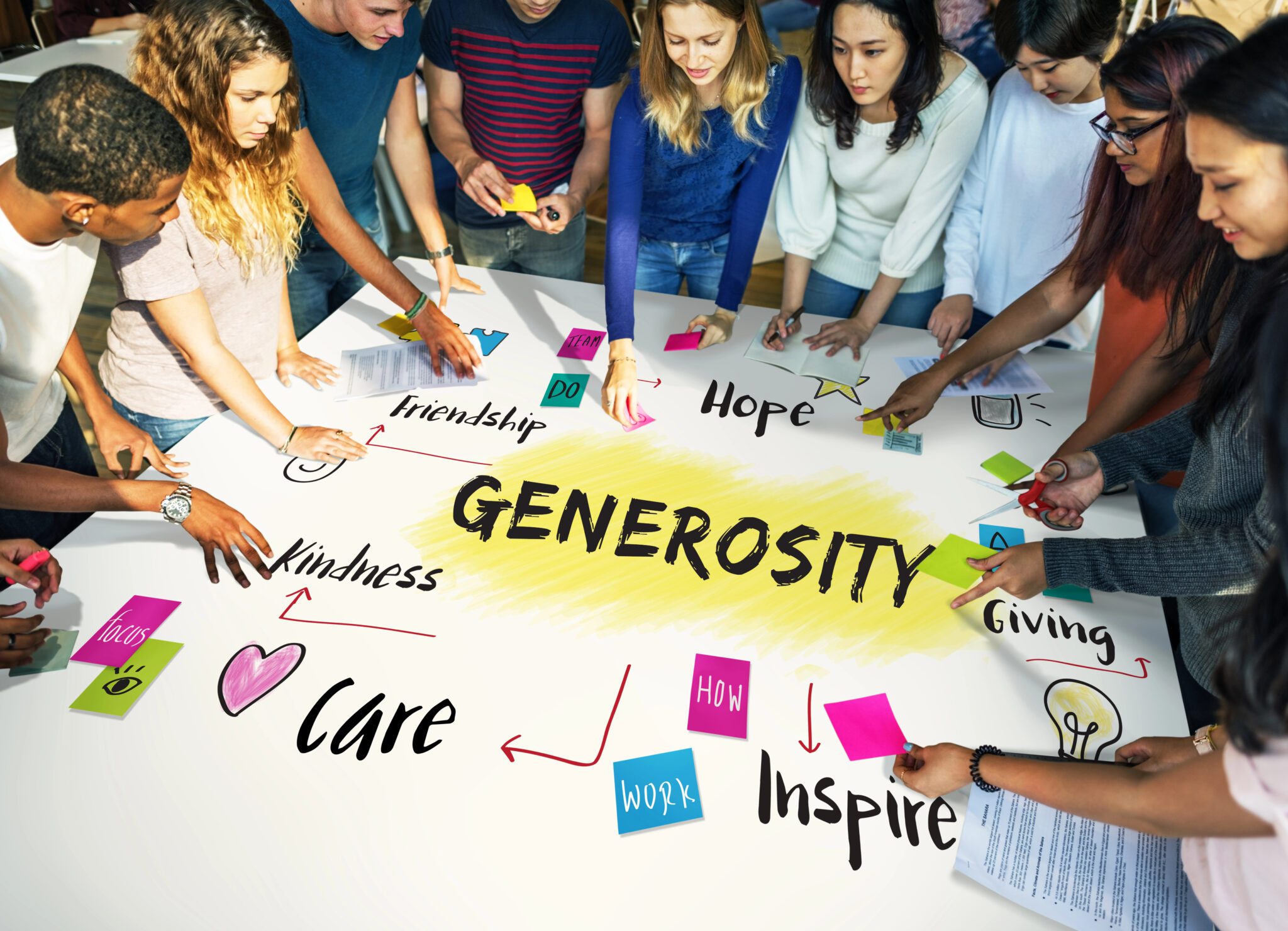
Another powerful dimension of philanthropy is the role of community. While individual contributions are meaningful, their impact can grow exponentially when combined with others. Collective giving demonstrates that even modest acts of generosity, when aligned, can lead to significant change.
This model reinforces the idea that philanthropy is not reserved for a select few. It is accessible to anyone who chooses to participate. When people come together around a shared purpose, they create a network of support that is both resilient and far-reaching.
Organizations like Yad Ezra reflect this principle in action, showing how consistent, community-driven support can address real needs while fostering a sense of connection and care.
A More Meaningful Measure of Success
As perspectives on wealth continue to evolve, so too does the understanding of what it means to succeed. Financial growth will always play an important role, but it is no longer the sole measure. Impact, purpose, and legacy are becoming equally significant.
Strategic giving offers a way to align financial resources with personal values, creating a sense of fulfillment that extends beyond numbers. It transforms wealth into something dynamic, something that not only grows, but gives.
In the end, the true power of wealth lies in its ability to make a difference. When used thoughtfully, even the smallest act of generosity can become part of a much larger story, one that continues to unfold long after the initial gift is made.