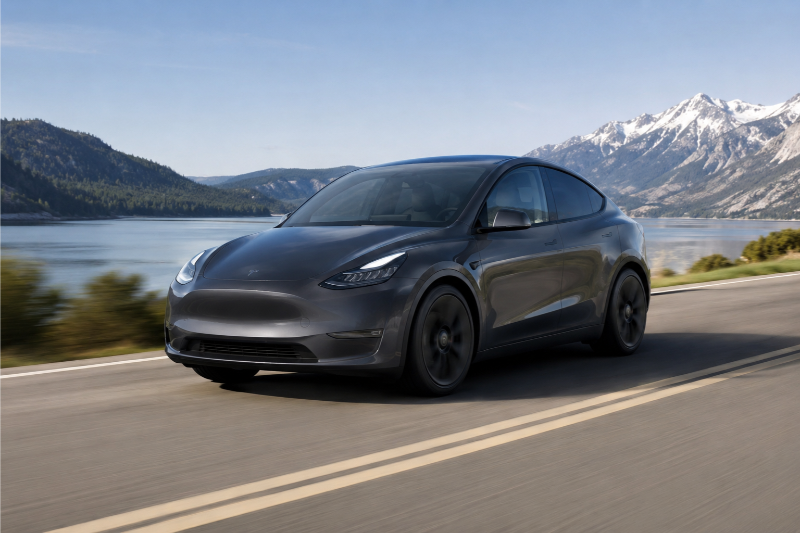
The Tesla Model Y remains one of the world’s best-selling electric vehicles in 2026. Its popularity stretches across North America, Europe, China, and emerging EV markets because it combines strong range, practical SUV space, and access to Tesla’s charging ecosystem. However, the conversation around the Model Y has changed significantly. Early adopters once viewed it as the obvious future of transportation. Meanwhile, today’s EV buyers often compare it against increasingly capable rivals from Hyundai Motor Company, Ford Motor Company, BMW, and Kia Corporation.
The debate surrounding the Tesla Model Y now centers on one question: is it still the smartest EV buy, or has it become an overrated bestseller benefiting from brand momentum? That discussion matters because the EV market in 2026 looks very different from even three years ago. Buyers now prioritize charging convenience, ownership costs, software reliability, resale value, and long-term practicality more than futuristic hype.
Moreover, the rise of the used EV market has changed consumer behavior. Many shoppers now evaluate depreciation trends and software support before purchasing a new electric SUV. Consequently, the Tesla Model Y faces pressure from both premium competitors and affordable EV alternatives. While Tesla still dominates in several areas, criticism around build quality, ride comfort, and pricing strategy continues to grow.
The reality sits somewhere between the extremes. The Tesla Model Y remains one of the most complete electric SUVs available. Nevertheless, growing competition means it no longer enjoys an uncontested lead. Understanding its strengths and weaknesses requires looking beyond internet hype and focusing on real-world ownership experience.
Why Tesla Model Y Still Dominates the EV Market
The Tesla Model Y continues to lead global EV sales largely because it balances efficiency, technology, practicality, and charging convenience better than many competitors. Unlike several electric SUVs that excel in only one category, the Model Y performs well across nearly every major ownership metric.
One major advantage remains Tesla’s Supercharger network. In many regions, charging infrastructure still determines whether EV ownership feels convenient or frustrating. Therefore, Tesla drivers often enjoy faster and more reliable long-distance travel compared with owners of competing brands. Even though other automakers now gain access to portions of Tesla’s network, the company still benefits from years of infrastructure expansion.
Additionally, Tesla’s software-first approach continues to differentiate the Model Y. Features like over-the-air updates, integrated route planning, and real-time charging optimization create a user experience that feels closer to consumer technology than traditional automotive design. As a result, many buyers view the Tesla Model Y as an evolving product rather than a static vehicle.
Key reasons for its continued dominance include:
- Strong real-world range efficiency
- Extensive fast-charging infrastructure
- High brand recognition in EV markets
- Competitive acceleration and performance
- Practical cargo and passenger space
However, dominance does not automatically mean perfection. Critics argue that Tesla’s market lead now reflects ecosystem strength more than superior vehicle refinement.
Strengths That Make Tesla Model Y a Smart EV Buy
The biggest strength of the Tesla Model Y remains efficiency. Many electric SUVs advertise impressive laboratory range figures, yet real-world driving often tells a different story. Meanwhile, the Model Y consistently delivers competitive highway efficiency and predictable battery performance.
For commuters and long-distance drivers, this matters more than headline specifications. Charging fewer times during weekly driving reduces inconvenience and improves ownership satisfaction. Additionally, Tesla’s navigation software actively manages battery routing during road trips, which simplifies EV travel for less experienced owners.
Acceleration also remains a major selling point. Even the standard versions provide quick response and smooth power delivery. Consequently, the Model Y feels faster and more refined during city driving than many gasoline SUVs in the same price range.
Another major advantage involves Tesla’s software ecosystem. Over-the-air updates continue to improve navigation, charging management, entertainment systems, and driver assistance features without requiring dealership visits. In contrast, some traditional automakers still rely heavily on physical service appointments for software improvements.
The Tesla Model Y also benefits from:
- Minimal routine maintenance requirements
- Competitive cargo capacity
- Strong charging route integration
- Frequent software improvements
- Simple EV-focused user interface
Moreover, many buyers appreciate Tesla’s ownership simplicity. The absence of oil changes, transmission servicing, and traditional engine maintenance reduces long-term complexity compared with gasoline vehicles.
Tesla Model Y vs Key EV Competitors (2026)
| Category | Tesla Model Y | Hyundai Ioniq 5 | Ford Mustang Mach-E | BMW iX | Kia EV6 |
|---|---|---|---|---|---|
| Real-World Range | Excellent efficiency | Very good | Good | Excellent | Very good |
| Charging Network | Industry-leading | Improving | Improving | Premium networks | Improving |
| Interior Quality | Minimalist, mixed reviews | Strong | Good | Luxury-focused | Modern and refined |
| Software Experience | Excellent OTA ecosystem | Competitive | Good | Advanced luxury tech | Strong usability |
| Ride Comfort | Firm | Comfortable | Balanced | Premium comfort | Sporty but refined |
| Performance | Quick acceleration | Smooth | Strong torque | High-end performance | Athletic handling |
| Pricing Stability | Volatile | More stable | Moderate | Premium pricing | Competitive |
| Resale Value | Historically strong but fluctuating | Improving | Moderate | Luxury depreciation | Moderate |
Weaknesses That Fuel the “Overrated” Debate
Despite its strengths, the Tesla Model Y faces criticism in several important areas. Interior quality remains one of the most common complaints among owners and reviewers. While the cabin looks modern and minimalist, some buyers feel materials do not match the vehicle’s price point.
Ride comfort also divides opinion. The suspension tuning prioritizes responsiveness and efficiency, yet rough roads can feel harsh compared with competitors like the Hyundai Ioniq 5 or BMW iX. Consequently, buyers seeking luxury-level refinement sometimes leave disappointed.
Another controversial aspect involves Tesla’s touchscreen-heavy controls. Nearly every vehicle function routes through the center display. Some drivers enjoy the clean layout. On the other hand, others dislike losing traditional physical buttons for climate and vehicle controls.
Build quality consistency also remains a concern. Although Tesla manufacturing has improved, reports involving panel alignment, paint imperfections, and cabin rattles continue to appear more frequently than with established luxury automakers.
Major criticisms include:
- Inconsistent build quality
- Limited physical controls
- Firm suspension setup
- Expensive repair processes in some markets
- Driver assistance expectations exceeding reality
Additionally, Autopilot and Full Self-Driving branding contribute to the “overrated” discussion. Some consumers expect near-autonomous capability based on marketing perception. However, real-world systems still require continuous driver supervision.
Hidden Ownership Costs and Real-World Considerations
Many consumers assume EV ownership automatically guarantees low operating costs. While the Tesla Model Y generally costs less to maintain than gasoline SUVs, ownership expenses vary more than buyers often expect.
Insurance costs can be surprisingly high. Repair complexity, advanced sensors, and expensive body components increase claim expenses in some regions. Consequently, insurance premiums for the Model Y sometimes exceed those of comparable gasoline crossovers.
Tire wear also becomes an issue for some owners. Instant electric torque and heavier battery weight accelerate tire degradation, particularly on performance-oriented variants. Moreover, replacement tires for EVs often cost more than standard SUV tires.
Charging costs vary significantly depending on driving habits and location. Home charging usually remains affordable. However, frequent Supercharger usage can narrow the fuel savings gap compared with efficient gasoline hybrids.
At the same time, the Model Y still delivers ownership advantages:
- Lower routine maintenance than ICE vehicles
- No engine oil or transmission servicing
- Competitive energy efficiency
- Strong used-market demand in several regions
- Reduced urban driving costs
Depreciation trends remain complicated. Tesla pricing adjustments directly affect resale value perception. Therefore, sudden MSRP cuts can negatively impact existing owners. Nevertheless, demand for used Tesla vehicles still remains relatively strong compared with many newer EV brands.
Tesla Model Y Ownership Cost & Value Comparison
| Cost Factor | Tesla Model Y | Gas SUV | Luxury EV Rivals | Impact on Ownership |
|---|---|---|---|---|
| Fuel/Energy Cost | Lower overall | Higher fuel expense | Moderate | Long-term savings possible |
| Maintenance | Reduced routine service | Higher mechanical upkeep | Moderate-high | EV simplicity helps |
| Insurance | Often high | Moderate | High | Ownership cost varies |
| Tire Wear | Higher than expected | Moderate | High | Adds hidden expense |
| Depreciation | Volatile but active resale market | Stable patterns | Luxury depreciation significant | Pricing strategy matters |
| Charging Convenience | Excellent infrastructure | Gas stations everywhere | Improving | Major Tesla advantage |
| Repair Availability | Mixed service access | Broad dealer support | Premium network | Regional differences important |
Technology Advantage: Software vs Traditional Automotive Design
Tesla changed the automotive industry by treating vehicles like software platforms. The Tesla Model Y reflects that philosophy more clearly than almost any mainstream vehicle on the road.
Over-the-air updates continue to redefine ownership expectations. Drivers receive interface redesigns, efficiency improvements, navigation upgrades, and new features without dealership visits. Consequently, many consumers now expect software evolution from all EV manufacturers.
Tesla’s operating system also remains among the best in the industry. Menus respond quickly, route planning integrates charging stops effectively, and entertainment functions feel polished. In contrast, many competitors still struggle with laggy infotainment systems and fragmented interfaces.
However, Tesla’s software-centric philosophy creates trade-offs. The reliance on a single touchscreen removes tactile feedback that many drivers still prefer. Additionally, some owners feel Tesla prioritizes digital experimentation over traditional comfort and craftsmanship.
Important technology considerations include:
- Strong OTA software support
- Excellent navigation integration
- Competitive driver assistance tools
- Minimalist but divisive cabin design
- Faster software innovation than legacy automakers
Meanwhile, competitors continue catching up. Brands like Hyundai Motor Company and BMW now offer increasingly advanced EV software ecosystems combined with higher perceived build quality.
How Competition Is Challenging Tesla Model Y in 2026
The Tesla Model Y once dominated largely because alternatives felt incomplete. That situation has changed dramatically in 2026. Today’s EV market includes refined, practical, and technologically advanced competitors across multiple price points.
The Ford Mustang Mach-E offers a more traditional driving feel and improved interior quality. Meanwhile, the Kia EV6 combines aggressive styling with strong charging speeds and competitive pricing.
Luxury manufacturers also increased pressure on Tesla. Vehicles like the BMW iX and premium electric SUVs from Mercedes-Benz Group focus heavily on comfort, refinement, and craftsmanship. Consequently, buyers no longer accept software advantages alone as justification for premium pricing.
Several trends now challenge Tesla’s leadership:
- Improved charging infrastructure from rivals
- Better interior refinement from competitors
- More aggressive EV incentives
- Broader model variety
- Faster global EV adoption
Additionally, regional pricing differences increasingly influence buyer decisions. In some markets, government incentives dramatically alter EV affordability. Therefore, Tesla’s value proposition varies significantly between countries and regions.
Why Some Buyers Call It Overrated
The “Tesla Model Y overrated” argument usually reflects expectation gaps rather than outright vehicle failure. Many consumers enter ownership expecting revolutionary luxury and near-perfect autonomy. Instead, they receive an efficient, fast, software-driven crossover with clear compromises.
Social media also amplifies extremes. Tesla supporters often describe the Model Y as industry-defining perfection. Meanwhile, critics highlight every flaw aggressively. The truth typically falls somewhere in between.
Another important factor involves rapid Tesla updates and price changes. Existing owners sometimes feel frustrated when newer versions receive hardware improvements or when sudden price reductions impact resale value. Consequently, some buyers perceive the ownership experience as unstable compared with traditional automotive brands.
Common reasons behind the overrated perception include:
- Luxury expectations exceeding reality
- Build quality concerns
- Overhyped autonomy assumptions
- Frequent pricing fluctuations
- Minimalist interior design preferences
Nevertheless, critics sometimes underestimate how much Tesla still leads in charging convenience and software integration.
Who Should Actually Buy the Tesla Model Y?
The Tesla Model Y works best for buyers prioritizing practicality, charging convenience, and software integration over traditional luxury refinement. High-mileage commuters particularly benefit from Tesla’s charging ecosystem and efficiency advantages.
Families also appreciate the vehicle’s cargo flexibility and usable interior space. Moreover, buyers living in regions with strong Supercharger coverage often experience fewer charging frustrations than owners of competing EVs.
However, consumers seeking plush ride quality, premium materials, or classic luxury craftsmanship may prefer alternatives from BMW, Mercedes, or even Hyundai’s latest EV lineup.
The ideal Tesla Model Y buyer typically values:
- Technology integration
- Long-distance charging convenience
- Efficient daily commuting
- Practical SUV utility
- Strong EV ecosystem support
Meanwhile, buyers focused primarily on cabin refinement or traditional luxury feel may find better value elsewhere.
The broader debate surrounding the Tesla Model Y reflects the overall evolution of the EV industry. Early EV adoption often revolved around innovation hype and futuristic branding. In contrast, today’s consumers increasingly prioritize utility, ownership economics, charging access, and long-term reliability.
Charging ecosystems now matter almost as much as vehicle specifications themselves. Additionally, software support and pricing strategy increasingly influence resale value. The growing used EV market further complicates new vehicle purchasing decisions because buyers now compare older premium EVs against newer mainstream models.
Tesla’s dominance therefore remains challenged, but not replaced. The Model Y still serves as the benchmark many competitors target. However, it no longer exists in a market without serious alternatives.
Conclusion
The Tesla Model Y is neither a flawless EV masterpiece nor an overrated failure. It remains one of the smartest electric SUV purchases for buyers prioritizing charging convenience, software experience, efficiency, and long-term practicality. However, increasing competition exposes weaknesses that early Tesla dominance once overshadowed.
Its biggest strengths still include range efficiency, charging infrastructure, software integration, and overall usability. Meanwhile, concerns surrounding ride comfort, build quality, repair costs, and pricing volatility continue fueling criticism.
In 2026, the smartest EV purchase depends less on hype and more on usage patterns. For technology-focused drivers with frequent road trips and strong charging access, the Tesla Model Y still makes a compelling case. On the other hand, buyers seeking premium comfort and traditional refinement may discover stronger alternatives elsewhere.
Ultimately, the Tesla Model Y represents both the success of Tesla’s EV revolution and the beginning of a more competitive electric vehicle era.
FAQs
Is the Tesla Model Y still worth buying in 2026?
Yes, especially for buyers prioritizing charging convenience, efficiency, and software integration. However, competitors now offer stronger comfort and refinement.
Why is the Tesla Model Y so popular?
Its combination of range, Supercharger access, practical SUV design, and Tesla software ecosystem makes it appealing globally.
What are the biggest problems with Tesla Model Y?
Common concerns include ride comfort, build quality consistency, expensive repairs, and reliance on touchscreen controls.
How reliable is the Tesla Model Y long term?
Battery and drivetrain reliability generally perform well. Nevertheless, some owners report quality-control and service-related frustrations.
Is Tesla Model Y better than Hyundai Ioniq 5?
The Model Y usually offers better charging integration and software. Meanwhile, the Hyundai Ioniq 5 often provides superior ride comfort and cabin refinement.
Does Tesla Model Y hold its value?
Resale value remains relatively strong, although Tesla price cuts can affect used market pricing quickly.
How expensive is Tesla Model Y maintenance?
Routine maintenance is lower than most gasoline SUVs. However, insurance, tires, and repair costs can become expensive.
Is Tesla Model Y comfortable for long drives?
It performs well for road trips because of charging infrastructure and efficiency. However, some drivers find the suspension firmer than rivals.
What is the real-world range of Tesla Model Y?
Real-world range varies by driving conditions, temperature, and wheel setup, but efficiency remains among the best in the EV SUV segment.
Is Tesla Model Y overrated or best in class?
It is best viewed as a benchmark EV with meaningful strengths and visible compromises rather than either extreme.