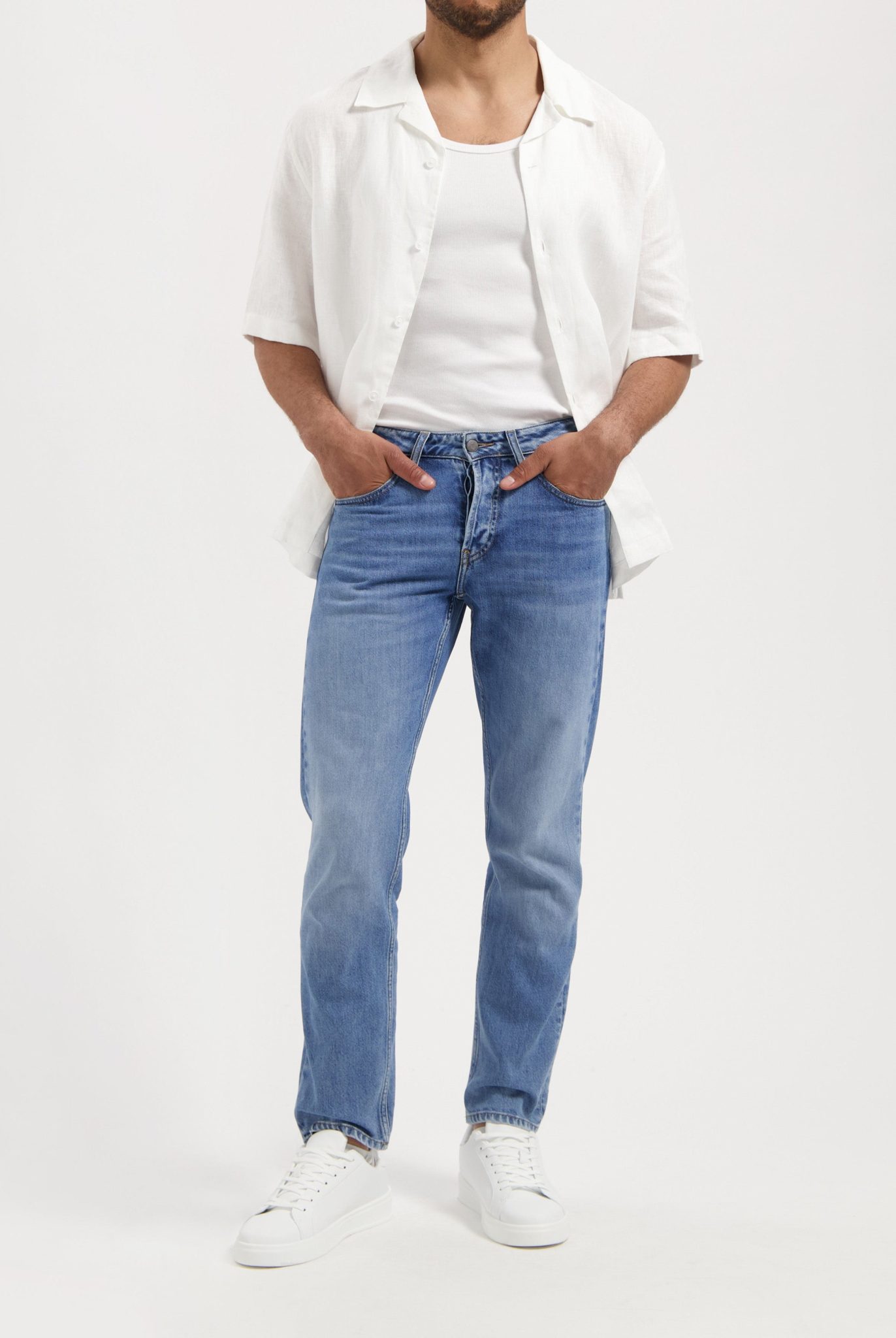
Denim is one of the most versatile categories in men’s fashion. A good pair of jeans can work with T-shirts, shirts, sweaters, jackets, sneakers, and boots, making denim a reliable foundation for an everyday wardrobe. However, as shoppers become more interested in responsible fashion, the way jeans are designed and produced has become increasingly important.
Sustainable denim brands for men focus on reducing the environmental impact associated with denim production through approaches such as recycled materials, lower-impact fibers, responsible washing techniques, improved manufacturing processes, and longer-lasting designs.
Choosing sustainable denim does not necessarily mean sacrificing style. Modern collections include straight-leg, relaxed, slim, tapered, wide-leg, black, blue, and vintage-inspired jeans. The key is understanding what sustainability claims mean and selecting products that fit both your wardrobe and values.
What Makes Men’s Denim Sustainable?
Sustainable denim can involve several different aspects of a product’s life cycle. There is no single feature that automatically makes a pair of jeans sustainable.
Brands may focus on reducing water consumption during finishing, using recycled fibers, sourcing preferred cotton, minimizing harmful chemicals, improving factory practices, or designing products for greater durability.
Common approaches include:
- Organic or preferred cotton
- Recycled cotton
- Recycled fibers
- Lower-impact dyes
- Reduced-water finishing
- Responsible manufacturing
- Durable construction
- Repair programs
- Resale initiatives
- Transparent supply chains
- Timeless designs
Because sustainability can mean different things to different brands, shoppers should examine specific product and company information rather than relying only on marketing language.
Key Sustainable Denim Features
| Feature | What It Means | Potential Benefit |
|---|---|---|
| Organic cotton | Cotton grown under recognized organic standards | Reduces reliance on certain agricultural inputs |
| Recycled cotton | Fibers recovered from textile waste | Helps reduce demand for virgin materials |
| Recycled denim | Existing denim incorporated into new products | Supports material reuse |
| Lower-impact finishing | Alternative washing or finishing methods | Can reduce resource use |
| Durable construction | Strong stitching and quality materials | Can extend garment life |
| Repair services | Brands help fix worn garments | Keeps jeans in use longer |
| Timeless designs | Classic cuts and colors | Reduces pressure to replace frequently |
| Supply-chain transparency | More information about production | Helps shoppers make informed choices |
Why Sustainable Denim Matters
Traditional denim manufacturing can involve substantial resources, particularly during cotton cultivation, fabric processing, dyeing, washing, and finishing.
The environmental footprint of jeans is influenced by much more than the cotton itself. Manufacturing location, energy sources, transportation, washing methods, garment longevity, and end-of-life disposal can all contribute.
For this reason, sustainable denim is increasingly focused on the entire production process.
However, consumers should avoid assuming that every product labeled sustainable has the same environmental advantages. Different brands prioritize different aspects of production.
Organic Cotton Jeans
Organic cotton is one of the materials commonly used by sustainability-focused denim brands.
Organic farming standards can place restrictions on certain synthetic pesticides and fertilizers while emphasizing specific agricultural practices.
When shopping for organic cotton jeans, look for clear information about certification and the percentage of organic content.
It is also important to remember that organic cotton is only one part of a garment’s overall impact. Dyeing, finishing, manufacturing, transportation, and garment lifespan still matter.
Recycled Cotton Denim
Recycled cotton can be produced from pre-consumer or post-consumer textile waste.
Using recycled fibers can help reduce reliance on virgin materials, although recycled cotton has technical limitations. Fibers may become shorter during recycling, which can affect strength and fabric performance.
Some manufacturers therefore blend recycled cotton with other fibers to achieve the desired durability and feel.
If recycled content is important to you, check the product’s stated material composition rather than relying on general brand-level claims.
Lower-Impact Denim Washing
The finishing stage can have a significant role in denim production.
Traditional denim finishing may involve multiple washing processes to achieve faded, softened, or distressed appearances. Newer approaches can reduce resource consumption through alternative technologies and more efficient processes.
Some brands use laser finishing, ozone treatments, improved washing systems, or other techniques designed to reduce resource use.
When evaluating a denim brand, look for specific explanations of its finishing methods rather than vague claims about being environmentally friendly.
Durable Denim Is Sustainable Denim
One of the simplest ways to make a wardrobe more sustainable is to keep clothing in use for longer.
A pair of jeans that lasts several years and is worn frequently may offer more practical value than inexpensive jeans that quickly lose their shape or develop damage.
Look for:
- Strong seams
- Secure belt loops
- Durable hardware
- Quality denim fabric
- Consistent stitching
- Reliable zippers and buttons
- A fit you genuinely enjoy wearing
Durability does not guarantee sustainability, but longer use can reduce the need for frequent replacement.
Best Denim Fits for Men
Sustainable denim is available in many modern silhouettes.
| Fit | Appearance | Best For |
|---|---|---|
| Straight-leg | Balanced and classic | Everyday wear |
| Slim | Streamlined | Smart-casual outfits |
| Tapered | Roomier at the top, narrower at the ankle | Sneakers and casualwear |
| Relaxed | Loose and comfortable | Everyday streetwear |
| Wide-leg | Roomy and fashion-forward | Contemporary outfits |
| Bootcut | Slightly wider below the knee | Boots and retro styling |
The most sustainable choice is often the pair you will wear frequently. A timeless fit that suits your personal style can remain useful for years.
Dark Denim vs. Light Denim
Color can influence how versatile a pair of jeans feels.
Dark indigo denim is suitable for both casual and slightly polished outfits. It can be paired with button-down shirts, knitwear, polos, and jackets.
Light-wash denim creates a more relaxed appearance and works especially well with T-shirts, sweatshirts, sneakers, and casual outerwear.
Black denim is another versatile choice and can create a modern minimalist appearance.
Instead of choosing a wash solely because it is trending, consider how well it complements the clothing you already own.
How to Choose Sustainable Denim Brands
When researching denim brands, look for specific information about their materials and manufacturing practices.
Useful questions include:
- What percentage of the denim is recycled or organic?
- Where is the cotton sourced?
- How is the fabric dyed?
- What finishing methods are used?
- Where are the jeans manufactured?
- Does the brand publish supplier information?
- Are repair services available?
- Does the company provide garment-care guidance?
- Are sustainability claims independently certified?
Clear answers are generally more useful than broad statements such as “eco-friendly” or “green.”
Certifications to Look For
Certifications can provide additional information about materials and production practices.
Depending on the product, shoppers may encounter certifications relating to organic fibers, recycled content, chemical management, textile processing, or social responsibility.
However, each certification covers different criteria. Read what the specific standard verifies rather than assuming that one certification covers the entire product life cycle.
Certification is a useful tool for evaluating claims, but it should be considered alongside material composition, manufacturing information, and durability.
Sustainable Denim for Everyday Outfits
Jeans are particularly suitable for capsule wardrobes because they can be styled in numerous ways.
For a casual look, pair straight-leg jeans with a white T-shirt and sneakers.
For a smart-casual outfit, try dark denim with a knit polo, lightweight blazer, and loafers.
Relaxed jeans can be combined with an oversized sweatshirt and sneakers for a contemporary streetwear appearance.
The versatility of denim can help reduce the need for multiple pairs designed for narrowly defined occasions.
How to Care for Sustainable Jeans
Proper care can extend the life of denim and reduce unnecessary replacement.
Follow the manufacturer’s care instructions and avoid washing jeans more frequently than necessary.
When washing is required, use an appropriate cycle and avoid excessive heat when the care label recommends otherwise.
Air drying can also be useful for many denim garments, depending on the manufacturer’s instructions.
Repair small problems early. A loose seam or small tear may be much easier to fix before it becomes a major issue.
Repair and Resale
Some sustainability-focused denim brands offer repair programs or encourage customers to repair rather than replace worn garments.
Resale is another way to extend the useful life of jeans. If a pair no longer suits your style but remains in good condition, donating or reselling it can keep the garment in circulation.
When buying secondhand denim, inspect the seams, zipper, waistband, knees, and pockets for wear.
Sustainable Denim vs. Cheap Denim
Price is not always a reliable indicator of sustainability.
A high-priced pair of jeans may not necessarily have a smaller environmental footprint than a moderately priced alternative.
Likewise, inexpensive denim can sometimes be durable and wearable for many years.
Rather than focusing only on price, consider the entire product: materials, construction, manufacturing practices, expected lifespan, and how frequently you will wear it.
Cost per wear can be a useful way to think about value.
Building a Sustainable Denim Wardrobe
You do not need a large denim collection.
A practical men’s wardrobe might begin with:
- One pair of dark straight-leg jeans
- One medium- or light-wash casual pair
- One black or charcoal pair
- One relaxed pair for casual outfits
The exact number depends on your lifestyle.
If you frequently wear denim, investing in a few durable pairs may be more useful than regularly purchasing inexpensive alternatives.
Choose different washes and fits only when they serve a genuine purpose in your wardrobe.
Common Mistakes When Buying Sustainable Denim
One mistake is focusing entirely on a single material claim.
For example, choosing organic cotton does not automatically mean that every other stage of production has a minimal impact.
Another mistake is buying sustainable jeans that do not fit properly or suit your style. If you rarely wear them, their potential environmental benefits are less meaningful.
Shoppers should also be cautious about vague sustainability claims without supporting information.
Finally, do not overlook care. Even well-designed denim can have a shorter useful life if it is poorly maintained.
Final Thoughts
The best sustainable denim brands for men combine thoughtful material choices, responsible manufacturing approaches, durable construction, and designs that customers can wear for a long time.
When comparing brands, look beyond labels and examine the details. Consider fiber composition, certifications, manufacturing practices, finishing methods, durability, repair options, and transparency.
Most importantly, choose jeans that you genuinely enjoy wearing. Buying fewer, versatile, well-fitting pairs and taking good care of them can be one of the most practical approaches to building a more responsible men’s wardrobe.