Upgrading a modern residence with connected technology no longer centers on flashy gadgets. Intelligent home investments focus on lowering monthly utility bills and maintaining ideal indoor temperatures year-round. Automating daily routines creates a seamless living space that operates quietly behind the scenes to conserve resources.
Smart Thermostats and Climate Control
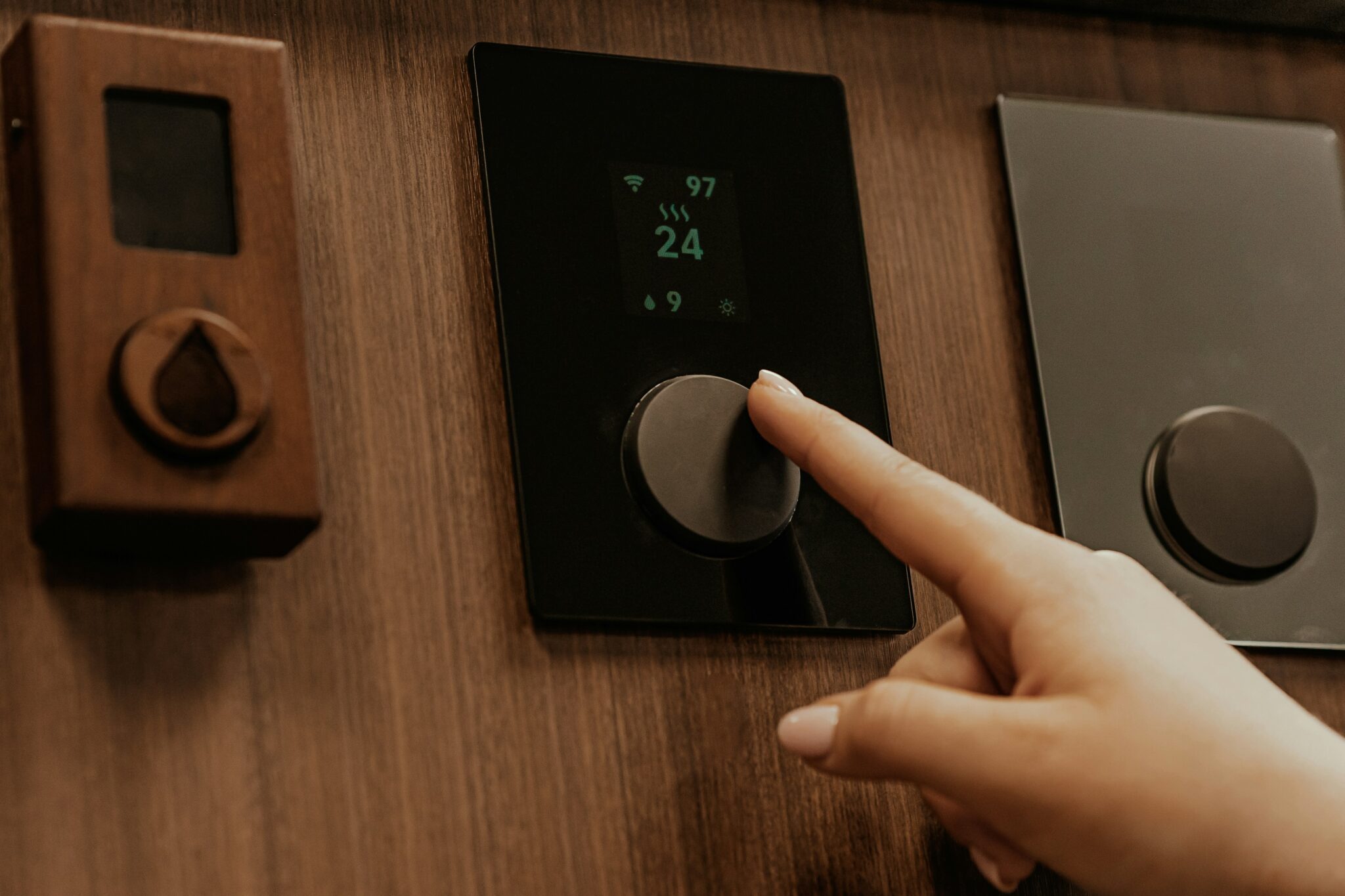
Managing indoor temperatures usually takes constant manual adjustments throughout the day. Investing in automated climate units alongside professional home comfort services creates a seamless schedule that lowers energy waste. These devices automatically dial back heating or cooling when nobody is in the house.
Connected climate controllers track daily patterns to optimize performance without sacrificing personal comfort. Property owners can adjust settings from a smartphone when relaxing on the couch or traveling home from work. Sensor equipment monitors room occupancy so unused spaces do not drain excess power.
Zoned climate systems split a home into distinct temperature sectors for maximum efficiency. Directing airflow only to occupied rooms prevents heating space throughout the night.
Whole-Home Energy Management Systems
Controlling power consumption across multiple rooms requires a unified central strategy. According to the American Council for an Energy-Efficient Economy, American households can decrease total energy usage by up to 1/6 simply by integrating intelligent devices.
Federal guidelines point out that heating and cooling draw more power than any other appliance in a house, making smart thermostats prime tools for reducing usage. Centralizing control through a single digital dashboard lets residents pinpoint power spikes instantly.
Tracking electricity consumption in real time helps identify which devices hog energy during peak hours. Modern management hubs can automatically throttle secondary appliances when grid electricity prices reach peak levels.
Smart plugs and smart power strips eliminate phantom energy draw from electronics. These outlets automatically cut off electricity to entertainment centers and office equipment when standby mode is detected.
Efficient Water Heating Solutions
Water heaters run constantly in the background, consuming substantial electricity every day. Environmental Protection Agency data shows certified electric heat pump water heaters save a family of 4 about $550 every year on utility costs.
Updated standards from the Department of Energy reflect higher efficiency requirements for consumer water heating units across the market. Upgrading to a smart-enabled model allows homeowners to set custom heating schedules and prevent warming water when the house is empty.
Integrating smart leak detectors with connected water heaters adds an extra layer of protection against accidental flooding. Rapid alerts sent directly to mobile devices allow instantaneous shutoff before water damage occurs.
Recirculating pumps equipped with smart timers deliver hot water to faucets without wasting gallons down the drain. Users can trigger heating cycles through motion sensors or pre-set morning schedules.
Smart Appliances and Daily Operational Savings
Kitchen and laundry equipment now feature advanced monitoring tools to trim operational costs. Research published in Bio Conferences revealed that using energy-efficient settings on smart ovens, washing machines, and fridges dropped consumption by 10% to 15% on average.
Connected appliances offer distinct features that optimize daily household chores:
- Scheduling dishwashers and laundry runs during off-peak power hours to secure lower electric rates.
- Receiving maintenance notifications before small mechanical issues turn into heavy energy drains.
- Remote power adjustments to turn off standby power modes instantly when equipment sits idle.
Modern refrigerators automatically optimize internal cooling cycles based on how frequently the doors open. Smart ovens preheat faster and use targeted heating zones to avoid wasting electricity on space.
Smart washing machines calculate exact water levels and detergent amounts based on load weight. Reducing excess water usage lowers the energy needed for water heating cycles.
Automated Ventilation and Indoor Air Quality
Indoor air quality impacts daily well-being just as much as temperature control. A study in Buildings journal indicates that well-designed intelligent ventilation systems deliver energy savings up to 60% without dropping air quality standards.
Sensors monitor humidity, dust, and carbon dioxide levels in real time to adjust airflow. The equipment runs only when fresh air replacement is required, stopping unnecessary fan operation.
Smart filtration systems signal exact filter lifespan based on actual air volume processed rather than arbitrary calendar dates. This targeted approach preserves motor longevity and maintains peak airflow efficiency.
Automated window shades work together with ventilation systems to block harsh solar heat gain during peak afternoon hours. Lowering indoor heat absorption reduces the workload on central air units during summer months.
Solar Integration and Smart Grid Management
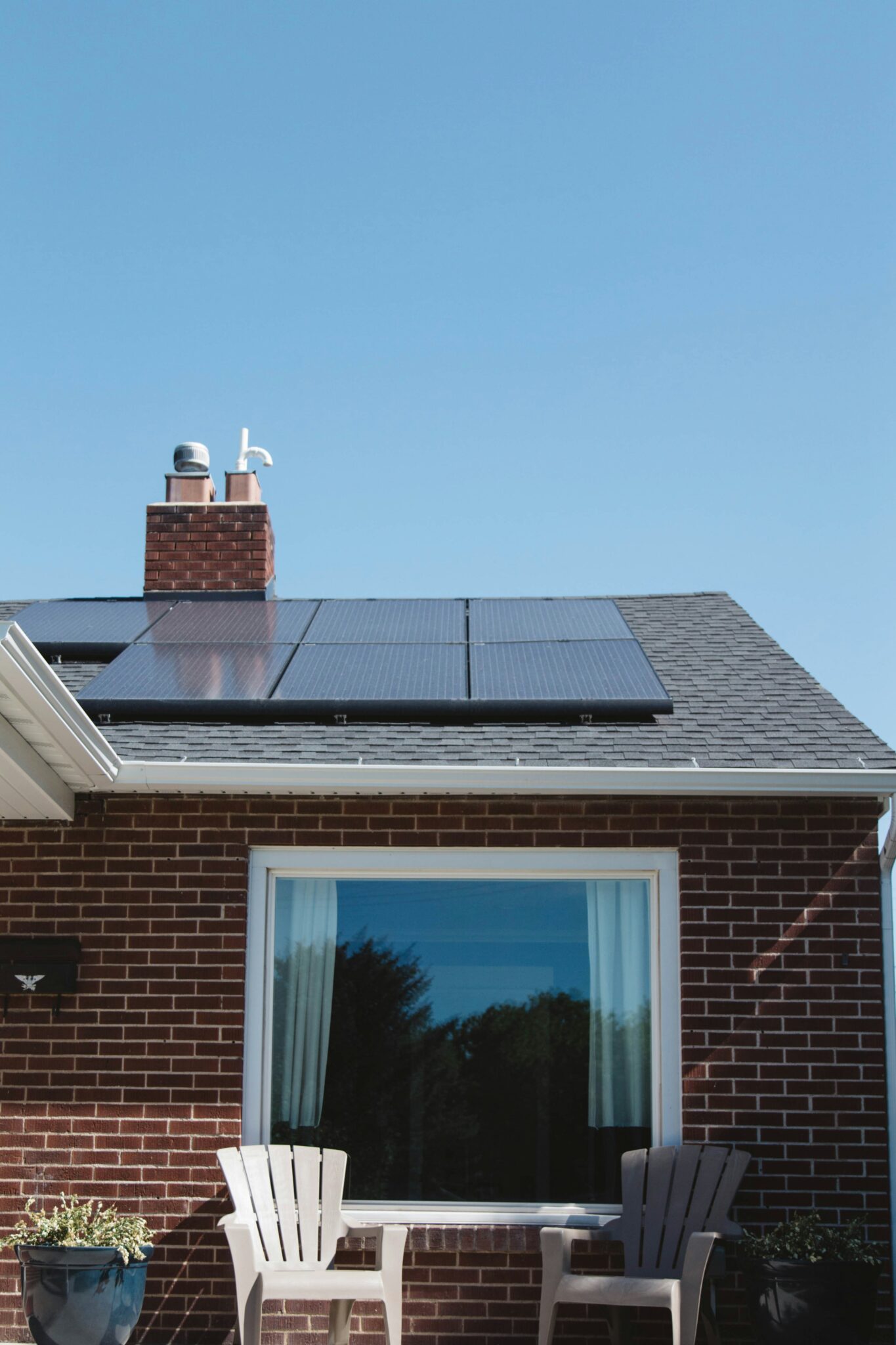
Pairing rooftop solar arrays with home automation systems maximizes local power production. Findings from the Sustainability journal demonstrate that integrated solar-smart setups achieve up to 58% reductions in primary energy demand and 55% reductions in carbon emissions.
Smart battery storage systems hold extra power generated during sunny afternoons for evening use. Automated energy management software routes electricity directly to high-draw appliances when solar production peaks.
Grid-interactive technology allows homeowners to sell stored energy back to utility providers during emergency demand periods. This bidirectional power flow lowers monthly costs while supporting local grid stability.
Monitoring solar output through smart apps helps homeowners align heavy energy tasks with peak production hours. Running appliances on free solar energy reduces reliance on grid power.
Smart home technology provides clear financial return and upgrades daily comfort levels. Strategic investments in connected climate control, appliances, and power management lower monthly utility bills smoothly. Transforming a house into an energy-efficient space creates long-term value for every resident.