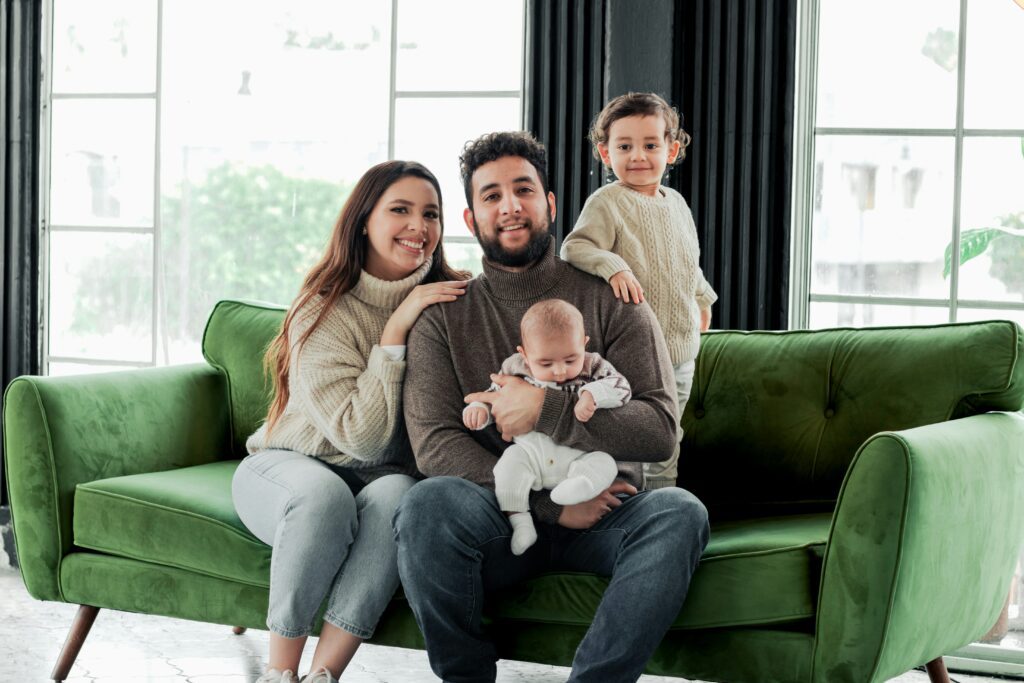
A good father is present, emotionally available, and consistent — he listens without judgment, disciplines with patience instead of anger, and shows love through both words and daily actions. He supports his child’s individuality, models respect in his own relationships, and keeps showing up even when parenting gets hard. These signs matter for both a father-son and a father-daughter relationship, though they show up in slightly different ways depending on the child.
Key Takeaways
- A good father combines emotional presence with consistent, reliable actions — not just financial support.
- Signs of a good father-daughter bond include respect, encouragement of independence, and emotional openness.
- Signs of a good father-son bond include modeling healthy masculinity, patience, and open communication about feelings.
- Research links active father involvement to stronger cognitive, social, and emotional outcomes in children.
- A “bad father” pattern usually shows up as absence, inconsistency, harsh discipline, or emotional unavailability — not a single mistake.
What Makes a Father a Good Father?
Being a good father isn’t about being perfect — it’s about being consistently present, emotionally honest, and willing to grow. Studies on parenting consistently find that active father involvement supports stronger outcomes for kids: children with engaged fathers tend to show fewer behavior problems in middle childhood and adolescence, alongside better educational outcomes. Research suggests father involvement has a unique and independent influence on children’s educational outcomes, even when accounting for the mother’s involvement, and children with involved dads show fewer behavior problems in middle childhood and adolescence.
Involvement isn’t only about time spent — it’s about the quality of engagement. Father involvement across a child’s development has been linked to better psychological adjustment, fewer behavioral problems, higher educational attainment, and stronger overall mental health.
Core Qualities of a Good Father
| Quality | What It Looks Like in Daily Life |
| Emotional presence | Puts the phone down, makes eye contact, actually listens |
| Consistency | Keeps promises; shows up for the small moments, not just big events |
| Patience | Responds to mistakes with guidance, not punishment first |
| Respect | Treats the child’s opinions and feelings as valid, even when disagreeing |
| Encouragement | Praises effort, not just results |
| Discipline with reason | Explains the “why” behind rules instead of demanding blind obedience |
| Role modeling | Shows healthy habits — how to handle stress, conflict, and relationships |
| Affection | Says “I love you” and shows it physically and verbally |
| Reliability | Is a safe, predictable presence a child can count on |
| Willingness to grow | Admits mistakes and adjusts his parenting over time |
Quick-reference list — additional everyday signs of a good father:
- Prioritizes quality time over screen time
- Asks about his child’s day and actually remembers the details
- Supports the child’s hobbies, even ones he doesn’t personally enjoy
- Doesn’t compare his child to siblings or other kids
- Apologizes when he’s wrong
- Sets boundaries without yelling
- Encourages independence appropriate to the child’s age
- Shows up to school events, games, or recitals when possible
- Talks openly about emotions instead of shutting conversations down
- Treats his partner or co-parent with respect in front of the child
Signs of a Good Father-Daughter Relationship
A strong father-daughter bond shapes how a daughter sees her own worth, sets boundaries, and later chooses relationships. Fathers don’t need to have all the answers here — consistency and respect matter more than perfection.
Signs the relationship is healthy:
- He listens to her opinions without dismissing them as “too emotional”
- He encourages her interests and ambitions, regardless of gender norms
- He’s comfortable showing affection and saying he’s proud of her
- He respects her boundaries around privacy and personal choices
- He models what respectful treatment from a man looks like, through his own behavior
- He talks with her about difficult topics — friendships, self-esteem, future goals — instead of leaving it all to mom
- He praises her character and effort, not just her appearance
How to be a good father to a daughter: Stay curious about her world instead of assuming you already know it. Ask open questions, validate her feelings even when you don’t fully understand them, and be intentional about one-on-one time as she grows older and naturally pulls toward independence.
Signs of a Good Father-Son Relationship
A father-son bond often centers on modeling — sons absorb far more from what a father does than what he says. A good father-son relationship isn’t about toughness; it’s about emotional honesty paired with guidance.
Signs the relationship is healthy:
- He shows his son it’s okay to express emotions like sadness or fear
- He spends unstructured time together — not just “productive” activities
- He disciplines calmly instead of using fear or intimidation
- He shares his own mistakes and what he learned from them
- He supports his son’s interests, even if they differ from his own
- He avoids pressuring his son into rigid ideas of masculinity
- He praises kindness and empathy, not just achievement or toughness
How to be a good father to a son: Model the behavior you want to see — how you handle stress, apologize, and treat others is the real lesson. Make space for him to talk about feelings without shutting the conversation down with “man up” type responses.
Good Father vs Bad Father: Key Differences
Most parents don’t fall neatly into “good” or “bad” — but certain patterns consistently separate healthy fathering from harmful fathering.
| Area | Good Father | Bad Father (Warning Sign) |
| Presence | Physically and emotionally available | Frequently absent or distracted, even when present |
| Discipline | Calm, explains reasoning, age-appropriate | Uses fear, yelling, or physical intimidation |
| Emotional response | Validates the child’s feelings | Dismisses, mocks, or ignores emotions |
| Consistency | Predictable, follows through | Unpredictable; promises broken often |
| Communication | Two-way conversation, listens actively | One-directional; lectures without listening |
| Modeling | Shows respect toward partner and others | Displays anger, disrespect, or controlling behavior |
| Support | Encourages the child’s individuality | Pushes his own unmet goals onto the child |
A single hard day or an imperfect moment doesn’t make someone a bad father — the difference lies in the overall pattern over time, and whether he’s willing to reflect and improve.
How to Become a Better Father
Good fathering is a practice, not a fixed trait. Small, repeated actions build trust faster than occasional grand gestures.
Practical steps to strengthen the relationship:
- Schedule regular one-on-one time, even 15–20 minutes daily
- Ask open-ended questions and really listen to the answer
- Say “I love you” and “I’m proud of you” often and specifically
- Apologize when you lose your temper or make a mistake
- Learn what matters to your child — their interests, worries, and friendships
- Keep discipline calm and consistent, not reactive
- Talk with your co-parent so you’re presenting a united, respectful front
A widely shared reminder among parenting communities sums it up well: it’s not the grand gestures that define fatherhood — it’s showing up, day after day, in the small ordinary moments.
If you’re asking “how do I know if I’m a good father,” the honest answer is: good fathers ask that question. The willingness to reflect, adjust, and keep trying is itself one of the clearest signs of a good father — and a good husband and father, if you’re also managing that relationship alongside parenting.
Frequently Asked Questions
What are the top signs of a good father?
The clearest signs include emotional presence, consistency, patience with discipline, respect for the child’s individuality, and open communication about feelings.
What are 5 qualities of a good father?
Presence, patience, consistency, respect, and emotional honesty are five foundational qualities that show up across most healthy father-child relationships.
What are 10 qualities of a good father?
Emotional presence, consistency, patience, respect, encouragement, reasonable discipline, positive role modeling, affection, reliability, and a willingness to grow and adapt.
What are 20 qualities of a good dad?
Beyond the core ten, additional qualities include active listening, humility, financial responsibility, showing up to important events, supporting a child’s hobbies, treating a co-parent respectfully, avoiding comparisons between siblings, setting healthy boundaries, admitting mistakes, and encouraging independence appropriate to the child’s age.
What is the sign for father in ASL?
In American Sign Language, “father” is signed by tapping the thumb of an open hand against the forehead, similar to a salute gesture near the temple.
What are the signs of a bad father?
Warning signs include chronic absence, harsh or fear-based discipline, dismissing a child’s emotions, breaking promises repeatedly, and modeling disrespectful behavior toward a partner or others.
How do I know if I’m a good father?
If you’re regularly present, willing to apologize and adjust, and your child feels safe coming to you with problems, those are strong indicators. Actively questioning your own parenting is itself a healthy sign.
How can I be a good father to my daughter specifically?
Listen without dismissing her feelings, encourage her ambitions regardless of gender expectations, and be intentional about one-on-one time, especially as she moves toward independence.
How can I be a good father to my son specifically?
Model emotional openness instead of suppressing feelings, avoid rigid ideas about masculinity, and spend unstructured time together, not just goal-oriented activities.
What makes someone a good father figure, even if not biological?
Consistency, emotional safety, and genuine investment in a child’s wellbeing matter more than biology. Stepfathers, grandfathers, uncles, or mentors can absolutely be a good father figure by showing up reliably over time.
Does research actually support the impact of father involvement?
Yes. A meta-analysis found that father involvement is significantly associated with young children’s social-emotional development, and research has confirmed a direct, positive, and relatively strong association between paternal involvement and children’s cognitive skills development.
What do people on Reddit say makes a good father?
Common themes across parenting discussions online echo the research: showing up consistently, listening without judgment, admitting mistakes, and being emotionally available rank higher than material provision alone.
Conclusion
Being a good father isn’t about perfection — it’s about showing up consistently, listening without judgment, and being willing to grow alongside your child. Whether you’re raising a daughter, a son, or both, the core signs stay similar: presence, patience, respect, and emotional honesty. If you’re actively thinking about how to improve, you’re already on the right track. Small, steady actions — not occasional grand gestures — are what build a lasting, trusting relationship over time.