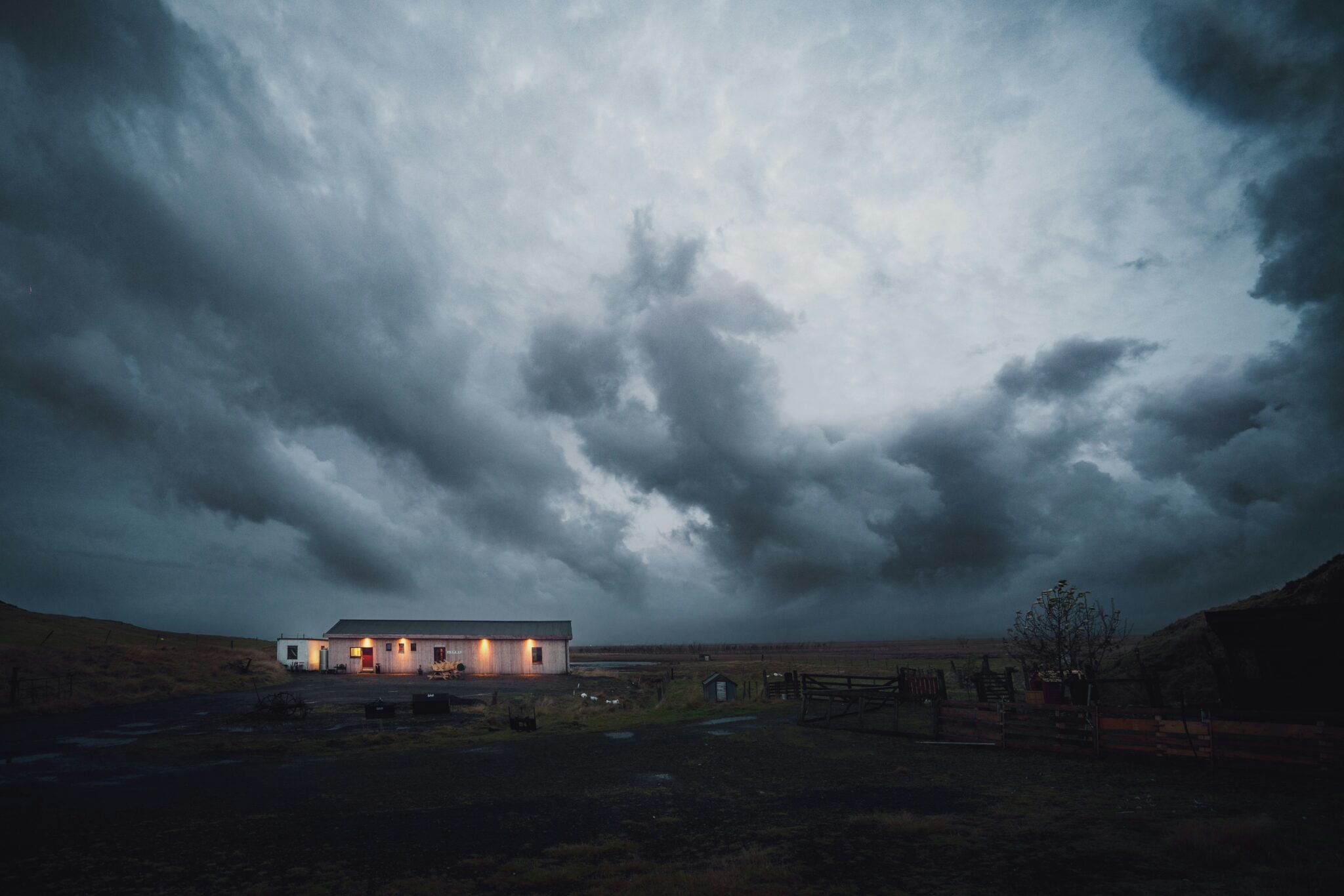
Severe weather threatens your property value overnight. High winds and sudden storms cause expensive structural issues if left unchecked.
Proper maintenance protects your long-term real estate investments. Smart asset management requires proactive planning to minimize these atmospheric hazards before they escalate.
Recognizing Severe Weather Vulnerabilities
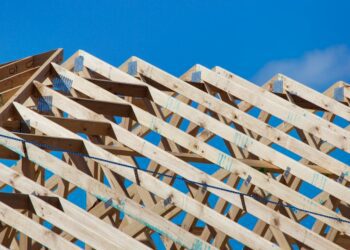
High winds create immense pressure on commercial and residential structures alike. Roof perimeters often take the brunt of this force during unexpected seasonal fronts. Regular monitoring prevents minor wear from becoming a major financial burden later on.
Property age plays a major role in how well a structure stands up to the elements. A government report on infrastructure safety indicated that older facilities face higher risks of wind damage from their aging roofing materials. Upgrading these older components safeguards the entire building asset from sudden failure.
Risk management plans must account for these structural weaknesses before storm seasons arrive. Asset managers track historical weather patterns to predict future maintenance needs accurately. This foresight protects the underlying equity of the estate over decades.
Understanding Roof Aging Factors
Aging properties require constant oversight to preserve their market worth. Property owners often invest in wind roof damage repair after seasonal gales compromise the structural integrity. Neglecting these weak spots leads to severe leaks and mold growth.
As years pass, exposure to sun and rain degrades standard shingles. The adhesive seals weaken, making them easy targets for strong updrafts during summer storms. Replacing brittle sections before the storm season prevents major indoor water losses.
Thermal shock accelerates the deterioration process of common building materials. Daily temperature swings cause roofs to expand and contract constantly. This continuous movement creates tiny fractures that widen during heavy storms and high winds.
Evaluating Different Storm Types
Different weather systems bring distinct types of destructive forces to a region. High straight-line winds act differently from rotating cyclonic winds during severe events. Understanding these variations helps managers select better building designs for their locations.
Building safety studies reveal that wind defense strategies vary by storm type. A national climate study noted that hurricane resilience differs significantly from tornado resilience, meaning safety research for one storm type cannot apply directly to the other. Custom engineering helps protect properties from specific regional threats.
Coastal areas face sustained high velocities over many hours. Inland regions deal with sudden, intense microbursts that strike without warning. Each scenario demands specific reinforcement methods to avoid total structural failure.
Implementing Proactive Inspection Schedules
Regular checks catch small issues before they require major capital expenditures. Visual inspections should happen twice a year, usually in spring and autumn. Catching a loose flashing early saves thousands of dollars in emergency fixes. Property owners can easily perform these basic visual assessments themselves.
Asset managers follow specific checklists during these walks:
- Check for loose or missing shingles near the edges.
- Clear debris from all drainage channels and gutters.
- Examine the attic space for light leaks or damp wood.
Professional inspectors use advanced tools like thermal cameras. These devices locate hidden moisture trapped beneath the top membrane layers. Clear data allows owners to plan targeted fixes instead of full replacements.
Securing Weak Structural Points
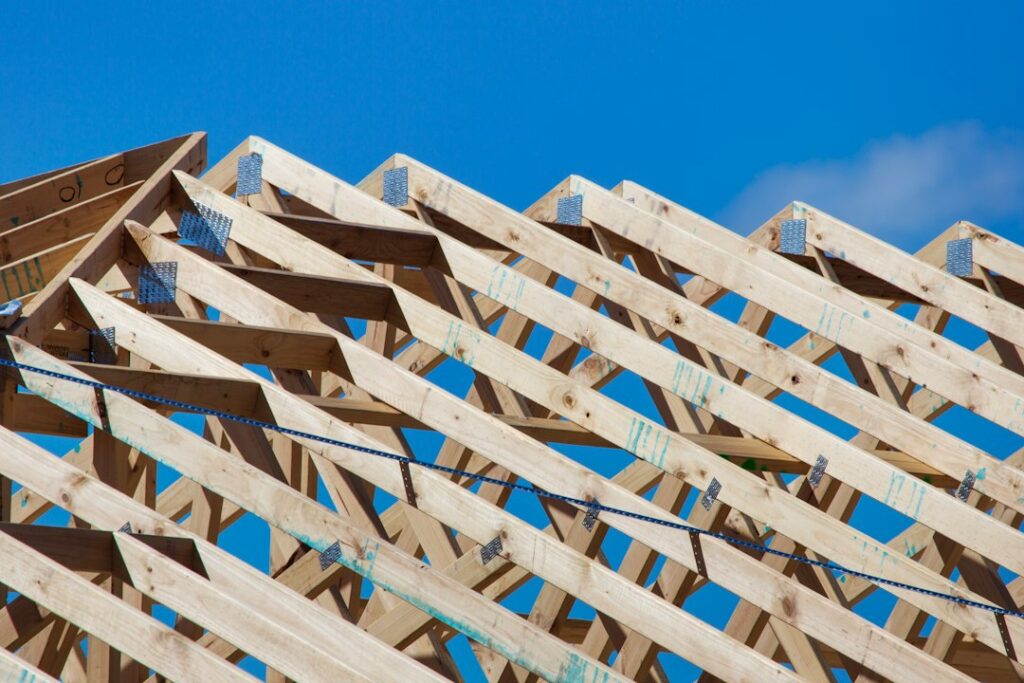
Certain parts of a building fail more often than others during high-wind events. Edges, corners, and overhangs experience the highest uplift forces. Reinforcing these zones significantly improves the total lifespan of the building.
Heavy-duty fasteners provide extra security against uplift pressure. Standard nails sometimes pull loose under extreme atmospheric changes. Metal brackets and clips bind the roof deck tightly to the main wall supports. These small components make a massive difference during severe storms.
Double door entries and large garage doors represent another common failure point. Wind rushing into an open garage creates internal pressure that pushes upward on the ceiling. Strengthening these entry gates keeps the outer envelope secure during major events.
Budgeting For Seasonal Maintenance
Capital expenditure plans must include a dedicated fund for emergency storm fixes. Setting aside 1% of the total property value annually covers routine wear. This cash reserve prevents sudden financial strain when storms strike.
Insurance policies often have high deductibles for windstorms. Property owners must read the fine print to understand their true out-of-pocket exposure. Knowing these numbers helps clear up annual budgeting projections for the estate.
Preventive upkeep costs far less than reactive emergency remediation. Spending a few hundred dollars on sealant prevents thousands in water mitigation bills. Steady investment keeps the estate value growing year over year. Landlords see better returns when they maintain their assets diligently.
Documenting Property Damage Correctly
Detailed records protect your interests during insurance claim adjustments. Take clear photographs of the entire asset before the storm season begins. These images serve as undeniable proof of the building’s baseline condition. Digital storage keeps these files safe and accessible.
Write down the exact dates and times of severe weather events. Match these dates with local weather service reports to validate the claim. Clear evidence speeds up the payout process with your insurance carrier.
Keep itemized receipts for all temporary mitigation work. Tarps, plywood, and emergency cleanups are often fully reimbursable. Proper documentation turns a chaotic situation into an organized recovery plan.

Image source
Protecting real estate value requires a constant balance of vigilance and investment. Regular upkeep prevents minor weather events from destroying your property equity.
Staying ahead of seasonal changes keeps your buildings safe and secure. Proactive management guarantees long term stability for every asset in your portfolio.