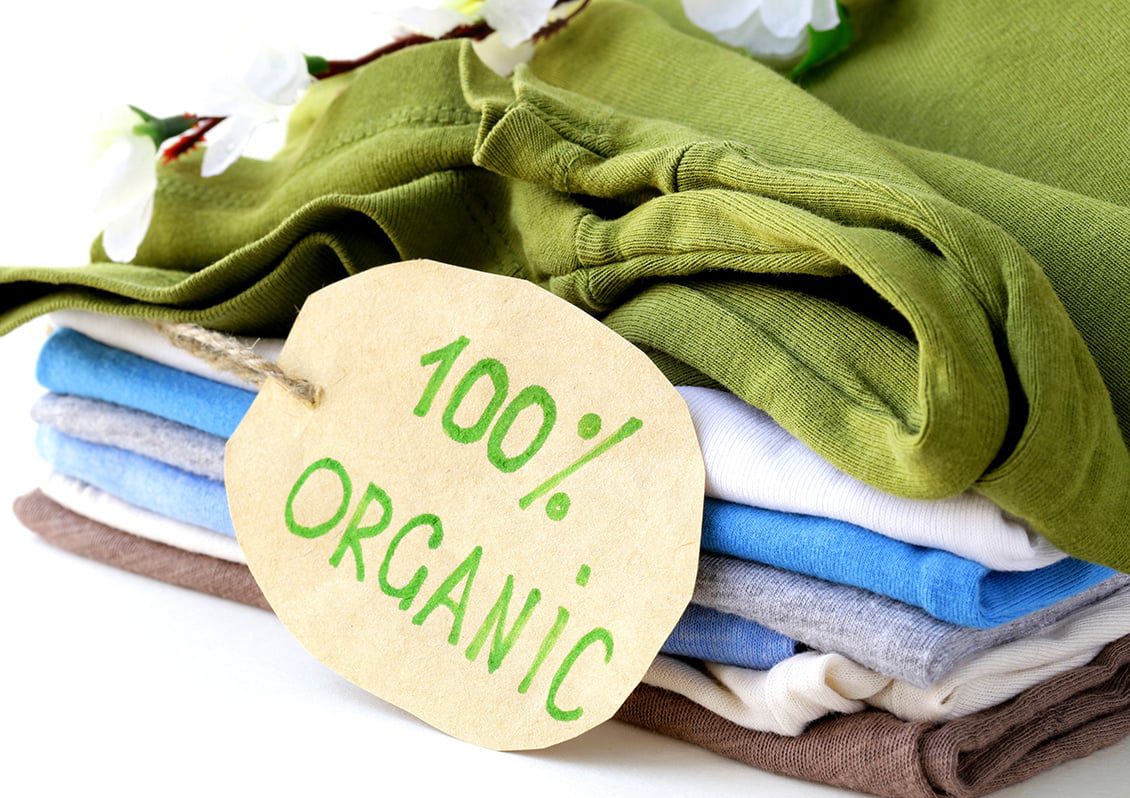
Organic cotton clothing has become increasingly popular as consumers pay closer attention to materials, production methods, and the environmental impact of what they wear. For fashion brands, retailers, and private-label businesses, working with reliable organic cotton clothing manufacturers can provide access to garments made from organically grown cotton while supporting a more transparent sourcing strategy.
From T-shirts and dresses to loungewear, baby clothing, and activewear, organic cotton can be used across many categories. However, choosing the right manufacturer requires more than comparing prices. Brands should evaluate certifications, fabric quality, minimum order quantities, production capabilities, lead times, and communication.
What Are Organic Cotton Clothing Manufacturers?
Organic cotton clothing manufacturers produce garments using cotton grown according to organic agricultural standards. Depending on the certification and supply chain, these standards can address farming practices, chemical inputs, processing, and other stages of production.
Manufacturers may offer several business models. Some produce ready-made garments, while others specialize in cut-and-sew manufacturing, private labeling, custom designs, or full-package production.
For fashion businesses, the ideal manufacturer depends on the size of the business, product category, budget, and desired level of customization.
Types of Organic Cotton Clothing Manufacturers
Different manufacturers can support different stages of a fashion business.
| Manufacturer Type | Best For | Common Products |
|---|---|---|
| Private-label manufacturers | Building a clothing brand | T-shirts, dresses, basics |
| Cut-and-sew factories | Custom designs | Shirts, trousers, jackets |
| Organic cotton specialists | Sustainable collections | Everyday apparel |
| Small-batch manufacturers | New brands | Limited collections |
| Large-scale factories | Established retailers | High-volume clothing |
| Full-package manufacturers | End-to-end production | Complete collections |
| Specialty manufacturers | Specific niches | Babywear, activewear, loungewear |
Understanding these categories makes it easier to approach manufacturers with realistic expectations.
Why Choose Organic Cotton Clothing?
Organic cotton is often selected by brands seeking alternatives to conventionally produced cotton. It can be particularly attractive for businesses developing collections around natural fibers and sustainability-focused positioning.
Organic cotton also has qualities that make it suitable for everyday clothing. Depending on the fabric construction, it can be soft, breathable, lightweight, or durable.
However, the term “organic” should not automatically be treated as a guarantee that an entire garment has a low environmental impact. Brands should investigate the complete supply chain, including dyeing, finishing, transportation, packaging, and manufacturing.
Certifications Matter
One of the most important considerations when choosing an organic cotton manufacturer is certification.
A manufacturer may claim to work with organic cotton, but businesses should ask for documentation showing the relevant certification and scope.
Common certifications and standards encountered in organic textile sourcing include:
- Global Organic Textile Standard (GOTS)
- Organic Content Standard (OCS)
- Textile Exchange standards
- Relevant national organic standards
- Social and environmental manufacturing certifications
Certification requirements vary, so brands should verify what a particular certificate actually covers.
For example, certification of the raw cotton is not necessarily the same as certification of the finished garment. Understanding the difference can help businesses make more accurate product claims.
Private-Label Organic Cotton Clothing
Private-label manufacturing allows a business to sell clothing under its own brand name without operating its own factory.
A manufacturer may provide services such as fabric sourcing, garment production, labels, packaging, and sometimes product development.
A typical private-label process can include:
- Choosing a manufacturer
- Sharing designs or product specifications
- Selecting organic cotton fabrics
- Developing samples
- Reviewing measurements and construction
- Approving the final sample
- Placing a production order
- Manufacturing the garments
- Completing quality checks
- Packaging and shipping the finished products
Clear communication at each stage can reduce costly production mistakes.
Minimum Order Quantities
Minimum order quantity, or MOQ, is an important factor when working with clothing manufacturers.
A manufacturer may require a minimum number of garments per style, color, or size. Larger factories often have higher production requirements, while smaller manufacturers may offer more flexibility.
For a new fashion brand, a low-MOQ manufacturer can make it easier to test products before committing significant capital.
Established brands may prefer larger production runs because higher quantities can reduce the per-unit manufacturing cost.
Always clarify whether the MOQ applies to the entire order or separately to each color, size, and design.
How to Choose the Right Manufacturer
Choosing a manufacturer should involve more than searching for the lowest price.
Evaluate potential suppliers based on:
- Organic certification
- Fabric quality
- Manufacturing experience
- Product specialization
- MOQ
- Sampling process
- Production capacity
- Lead times
- Quality-control procedures
- Communication
- Pricing
- Shipping arrangements
- Packaging options
A manufacturer that communicates clearly and consistently can be much more valuable than one offering a slightly lower unit price.
Order Samples Before Bulk Production
Samples are essential when developing organic cotton clothing.
A product photograph or technical drawing cannot reveal everything about the finished garment. A physical sample allows you to evaluate the fabric, stitching, measurements, color, weight, construction, and overall appearance.
During sample evaluation, check:
- Fabric softness and weight
- Stitch consistency
- Seam construction
- Shrinkage
- Color accuracy
- Print or embroidery quality
- Buttons and fasteners
- Neckline construction
- Sleeve length
- Garment measurements
- Label placement
If possible, wash and wear the sample according to its care instructions. This can reveal issues that are not obvious when the garment is new.
Organic Cotton Fabric Options
Organic cotton is available in many fabric constructions.
| Fabric Type | Characteristics | Suitable Products |
|---|---|---|
| Organic cotton jersey | Soft and flexible | T-shirts, tops |
| Organic cotton poplin | Lightweight and structured | Shirts, dresses |
| Organic cotton fleece | Warm and soft | Sweatshirts |
| Organic cotton terry | Absorbent and comfortable | Loungewear |
| Organic cotton canvas | Strong and structured | Jackets, bags |
| Organic cotton rib | Stretchy and textured | Tops, cuffs |
| Organic cotton muslin | Lightweight and breathable | Babywear, summer clothing |
The appropriate fabric depends on the product’s purpose, climate, target customer, and desired price point.
Sustainable Dyeing and Finishing
Organic cotton is only one part of the manufacturing process.
Dyeing and finishing can also influence the environmental characteristics of a garment. Brands interested in responsible production should ask manufacturers about water use, dyes, wastewater treatment, finishing chemicals, and energy management.
If sustainability is central to your brand identity, request specific information instead of relying on broad terms such as “green” or “eco-friendly.”
Transparency makes it easier to communicate honestly with customers.
Organic Cotton Clothing for Different Markets
Organic cotton can be used across many fashion categories.
For women’s clothing, manufacturers may produce T-shirts, dresses, skirts, pajamas, sweatshirts, and casual basics.
For men’s clothing, common products include T-shirts, polos, shirts, sweatshirts, underwear, and casual trousers.
Children’s and baby clothing are also important categories because consumers often look for soft, comfortable fabrics for young children.
Organic cotton can additionally be used for accessories such as tote bags, hats, and lightweight scarves.
Questions to Ask a Manufacturer
Before placing an order, ask potential manufacturers detailed questions.
Important questions include:
- Is your organic cotton certified?
- Which certification does the facility hold?
- Does certification cover the finished garment?
- What are your MOQs?
- Can you provide fabric samples?
- Do you offer custom manufacturing?
- Can you add private labels?
- What is your sample lead time?
- What is your bulk production timeline?
- How do you conduct quality control?
- What are your payment terms?
- How do you handle defective products?
- Where are garments produced?
- What packaging options are available?
Getting these answers in writing can help prevent misunderstandings.
Organic Cotton Manufacturers and Quality Control
Quality control is particularly important for clothing brands ordering large quantities.
Manufacturers may perform inspections at different stages, including fabric inspection, cutting, sewing, finishing, and final garment inspection.
Brands can also establish their own quality-control checklist.
Important measurements should be compared with approved samples and size specifications. Color, stitching, labels, trims, and packaging should also be inspected before shipment.
Consistent quality helps reduce returns and protects customer trust.
Pricing and Profit Margins
Organic cotton clothing can have different costs depending on fabric weight, certification requirements, manufacturing location, order volume, design complexity, and finishing.
When comparing manufacturers, calculate the total landed cost rather than focusing only on the factory price.
Your total cost may include:
- Fabric
- Manufacturing
- Labels
- Packaging
- Sampling
- Shipping
- Customs or import charges
- Quality inspections
- Payment fees
After calculating the total cost, compare it with your intended retail price to determine whether the product offers a sustainable margin for your business.
Building a Long-Term Manufacturer Relationship
Finding a manufacturer is only the beginning. Strong supplier relationships can become valuable as a fashion business grows.
Provide clear specifications, communicate deadlines, approve samples promptly, and document changes.
It is also useful to maintain detailed records of fabric compositions, measurements, colors, approved samples, packaging instructions, and production quantities.
As your relationship develops, manufacturers may become more familiar with your quality expectations and production requirements.
Common Mistakes to Avoid
One common mistake is choosing a manufacturer based entirely on price. Extremely low prices may come with compromises in fabric quality, production consistency, communication, or service.
Another mistake is skipping the sample stage. Approving bulk production without carefully reviewing a sample can result in expensive corrections.
Brands should also avoid making sustainability claims without appropriate evidence. If a product is marketed as organic, recycled, ethical, or environmentally responsible, make sure the claim can be supported.
Final Thoughts
Choosing the right organic cotton clothing manufacturers is an important step for fashion brands that want to develop quality products while incorporating organically produced cotton into their collections.
The strongest manufacturing partnerships are built around transparent certification, consistent quality, realistic pricing, reliable communication, and clear production standards.