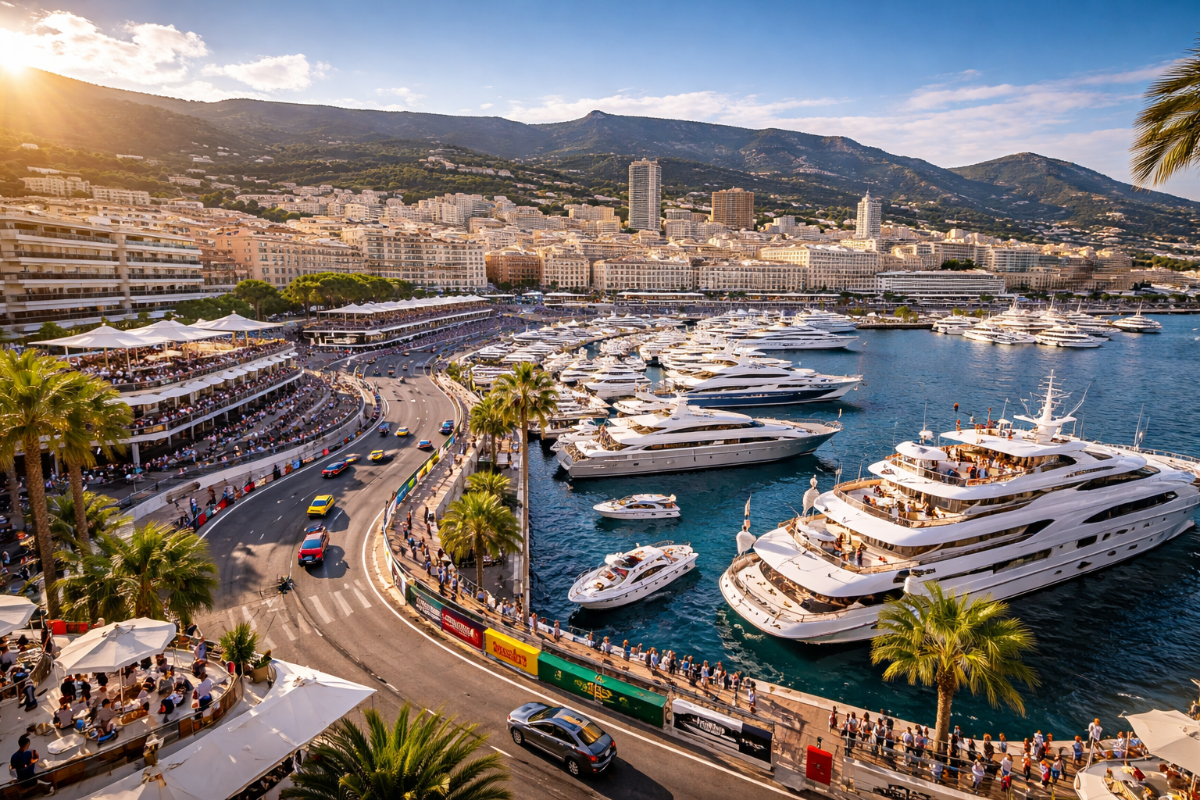
As the Monaco Grand Prix gets underway this weekend, the race is once again drawing a global audience of Formula 1 fans, luxury travelers, executives, hospitality groups, and yacht-side spectators to one of the most glamorous, and logistically challenging, sporting events in the world.
For those arriving through Nice, the short trip to Monaco can become one of the weekend’s most frustrating transfers. Road closures, security, heavy traffic, and peak event demand can turn a scenic drive along the Côte d’Azur into a multi-hour journey. Helicopter booking platform hoper is aiming to solve that problem from above.
The global helicopter travel platform has launched both private and shared helicopter flights between Monaco and the South of France, giving racegoers a faster way to reach the principality as demand surges around the Grand Prix. Hoper flights from Nice to Monaco have ranged from €195 to as much as €700 during race weekend, reflecting the growing appetite for vertical mobility at major sporting events.
In an interview with Impact Wealth, hoper CEO and Founder Demitris Memos says the shift is being driven by travelers who increasingly view time, access, and convenience as essential parts of the luxury experience.
“We’re seeing a clear surge in bookings tied to major sporting events, specifically the Monaco Grand Prix. A taxi from Nice to Monaco could take hours—in a helicopter, 7 minutes. All while enjoying scenic views of the Côte d’Azur. Helicopter travel is becoming the go-to solution for fans who want to spend less time in traffic and more time enjoying the race. The rising demand for premium travel to sporting events is one of the reasons we’re expanding private charters in New York, which will soon host both the World Cup and U.S. Open. hoper makes booking a helicopter as easy as ordering an taxi, transforming what was once a niche luxury into an efficient, accessible solution for sports travel.”

The Monaco Grand Prix has long been one of the most visible intersections of sport, wealth, and global culture. This year’s event runs June 4 through June 7, with the Formula 1 race scheduled for Sunday. The circuit’s compact location through the streets of Monte Carlo is part of its appeal, but it also heightens the logistical pressure surrounding race weekend. Formula 1’s official schedule lists practice beginning June 5, qualifying on June 6, and the race on June 7.
For hoper, Monaco is a high-profile example of a broader travel problem. In many of the world’s most desirable destinations, the distance between an airport, hotel, villa, yacht, resort, or event venue may be relatively short on a map, yet inefficient on the ground. The company’s thesis is that helicopters can help close that gap.
Founded in Greece, hoper began with an insight from Memos’ own travel experience. After flying by helicopter to the island of Patmos for a wedding while other guests endured ferries and complicated connections, he saw an opportunity to make helicopter travel easier to access and book. The issue was not a lack of aircraft. The market was fragmented, offline, and difficult for travelers to navigate.
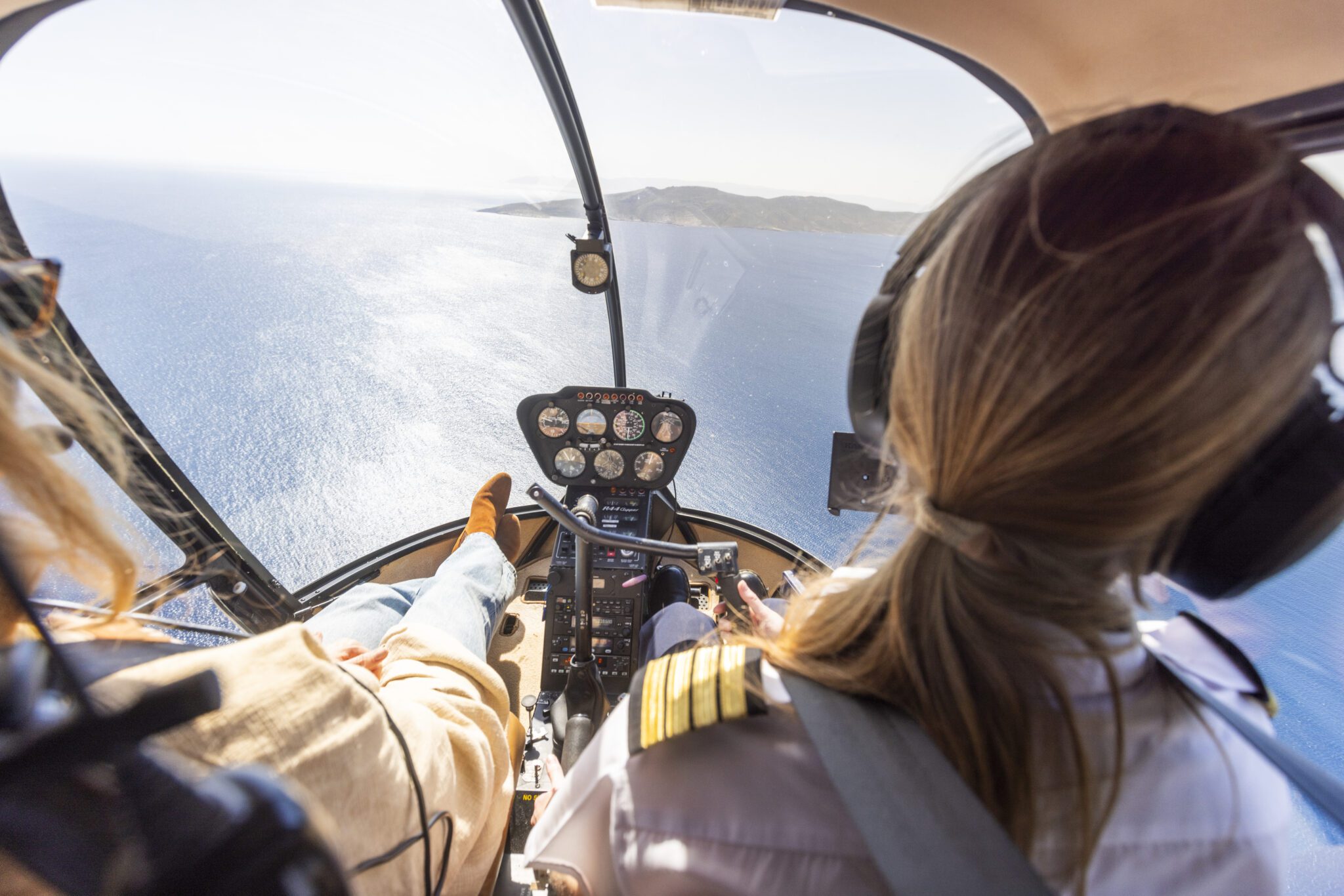
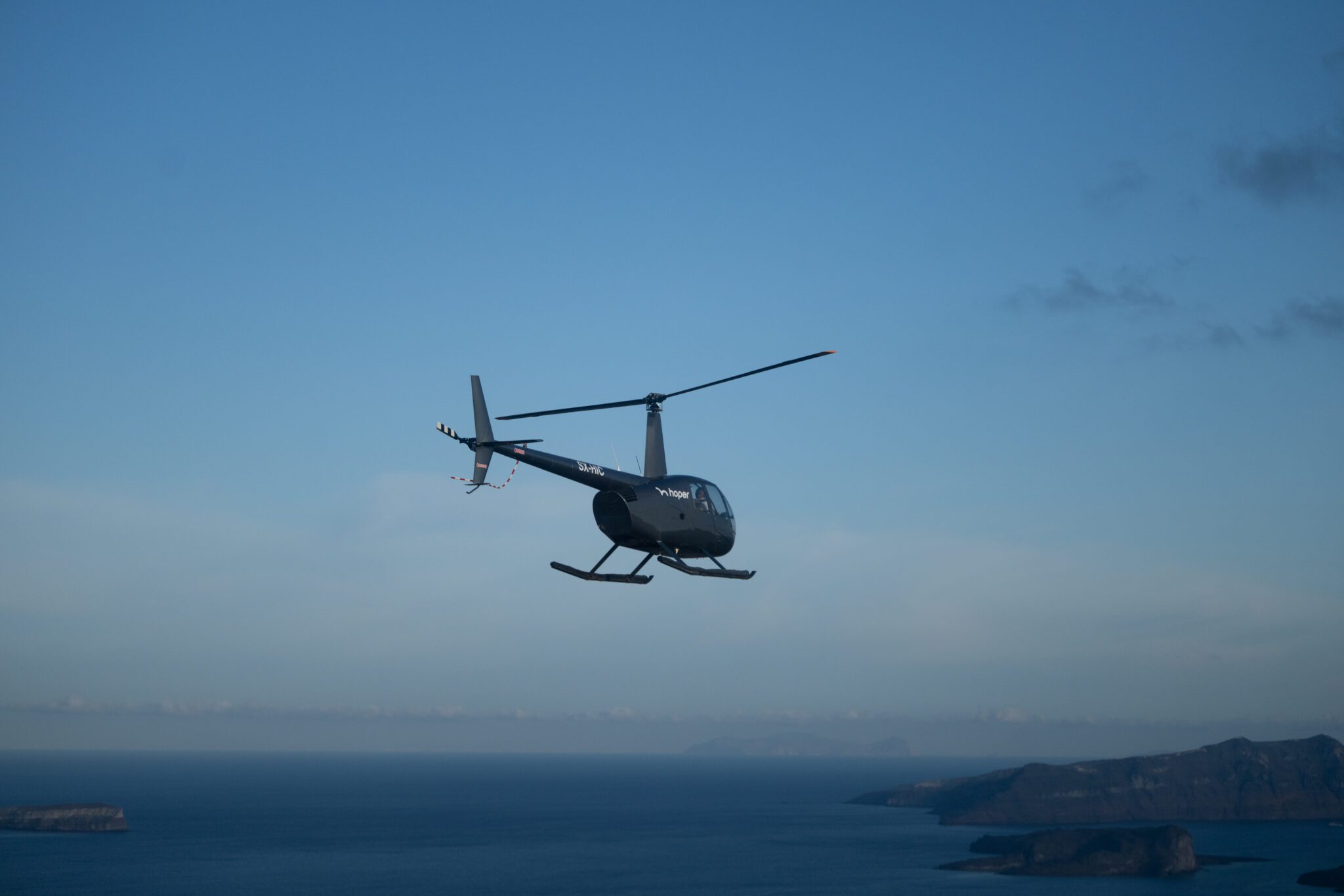
hoper set out to organize that supply through a digital platform. Based in Athens, the company now offers private charters, shared flights, and scenic tours across nine countries and counting, including Greece, France, Monaco, Italy, Switzerland, the United States, Seychelles, and South Africa. Its services include shared flights on fixed routes, private on-demand flights, and sightseeing tours over coastlines, mountains, islands, and city skylines.
The shared-flight model is especially important to the company’s growth. Rather than requiring travelers to charter an entire aircraft, hoper allows passengers to book individual seats on select routes where there is predictable demand.
“On certain routes where there are predictable transfer patterns, we layer in a shared seat structure that makes helicopter travel bookable in the same way you’d book an airline ticket. By aggregating demand across multiple passengers on the same route, we’re able to distribute the cost of the aircraft across seats — much like a micro-airline. That’s what unlocks the price point. Beyond that, our marketplace model means we work with a vetted global network of operators rather than carrying the full weight of fleet ownership across every market we serve. We also benefit from route density — the more routes and destinations we add to the network, the more efficiently we can schedule and operate.”
That marketplace structure is central to hoper’s positioning. The platform does not rely on one owned fleet across every destination. It works with vetted operators and brings routes, pricing, aircraft options, and booking into one interface. Customers can review availability, compare options, book online, and coordinate their travel through the platform.
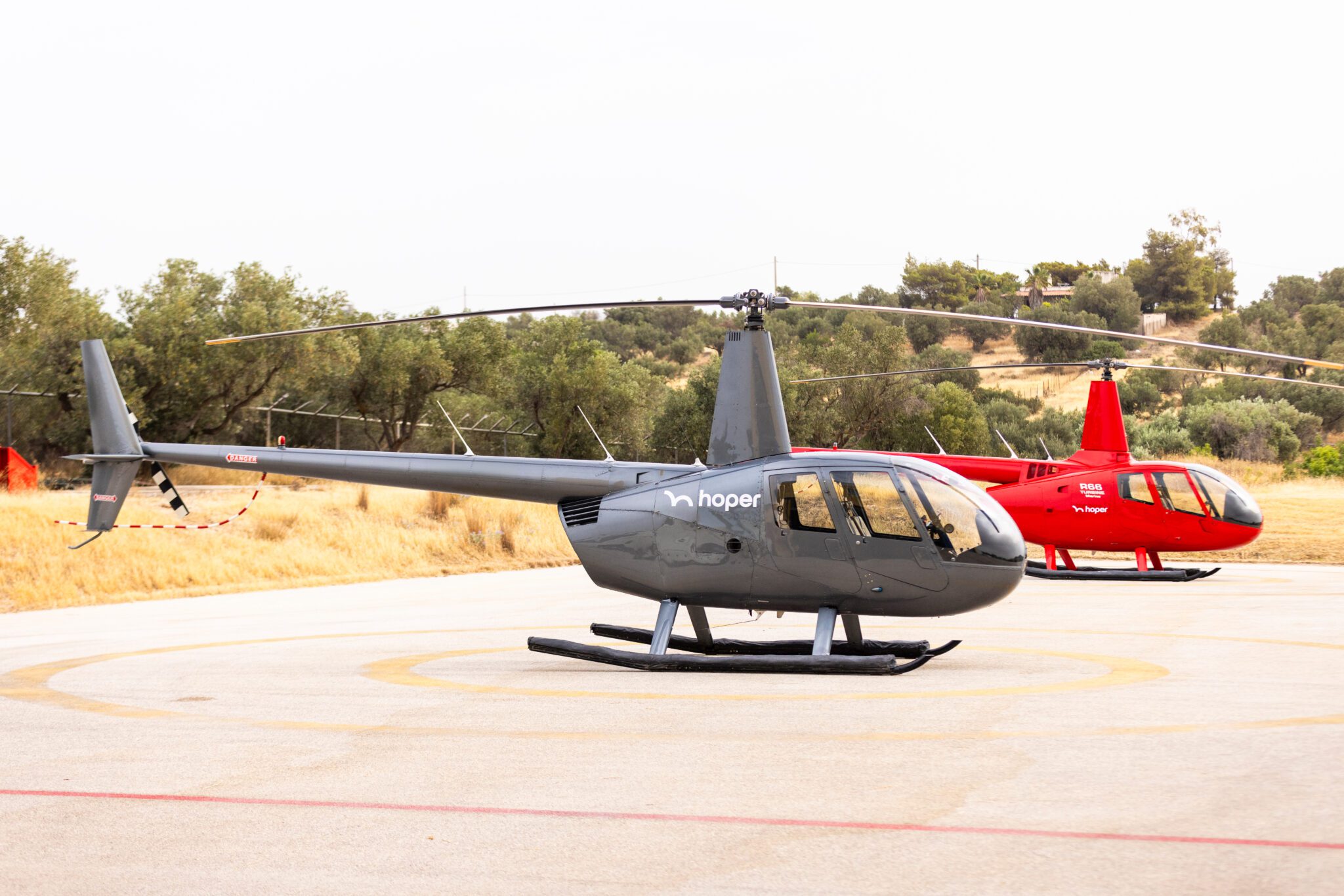
The company’s service offering is divided into three core categories. Shared Flights allow travelers to book seats on scheduled helicopter routes, currently available in France and Greece. Private Flights offer on-demand charters using a range of single- and twin-engine helicopters, with service currently available in Greece, France, Monaco, Italy, and Switzerland. Tours offer scenic sightseeing flights, either shared or private, in destinations including Greece, the United States, Seychelles, and South Africa.
The broader luxury travel market is already familiar with helicopter transfers around Monaco. BLADE promotes by-the-seat helicopter service between Nice and Monaco, citing a seven-minute flight, while Monacair is also offering Monaco Grand Prix helicopter transfers starting at €450 per seat. hoper is entering that conversation with an app-based model designed around transparent pricing, instant booking, and a broader international network.
The company’s view of the customer is also expanding. During race weekend, the passengers may include private clients, hospitality guests, executives, yacht travelers, and fans who want a faster arrival. Memos says the common thread is mindset.
“We think in psychographics rather than demographics – the ‘ why’ rather than the ‘who.’ The reasons people book with hoper are tied to their attitudes and mindset. What unites them is a shared set of values: they value their time, they appreciate well-designed experiences and they’re open to rethinking how they travel. That value becomes even more pronounced at sporting events. You’re dealing with road closures, congestion, and tight schedules. Helicopter transfers allow guests to move directly between hotels, venues, and even different cities without disruption—arriving exactly when they need to, and in a way that adds to the excitement of game day.”
The experience is meant to feel closer to booking a premium car service or airline seat than arranging a traditional helicopter charter. hoper’s digital platform shows routes, timings, and pricing clearly. After booking, the company coordinates pre-flight communication, hotel or ground transport logistics, and the journey itself.
The platform also works with travel partners, including aviation brokers, international tour operators, luxury hotels, and concierge services, allowing helicopter flights to become part of a larger itinerary. A guest can move from hotel to helipad and from helipad to a final destination with the timing and service levels coordinated across multiple parties.
That has implications beyond Grand Prix weekend. Hoper’s Greek operations have already positioned helicopters as a solution for island-hopping, where ferries and connections can add hours to a journey. The company services 15 destinations in Greece and has published its annual Flight Demand Index, analyzing more than 136,000 searches ahead of the summer travel season. Mykonos and Santorini continue to dominate searches, while a second tier of islands is attracting repeat travelers looking beyond the most established destinations.
hoper is now preparing for a larger international expansion. From summer 2026, clients will be able to book private flights to Milan, Florence, Portofino, and Turin from Cannes, Nice, and Monaco. In September 2026, timed to coincide with the U.S. Open Tennis Championships, hoper plans to launch operations out of New York, offering both private flights and a shared flight service. Private flights will operate in and around New York, including destinations as far as the Hamptons, while the shared service will run between JFK and Manhattan. The company already operates helicopter sightseeing services in Los Angeles.
For Memos, the expansion strategy follows a consistent pattern: identify markets where geography, congestion, and premium travel demand intersect.
“Growing our portfolio in the US remains a key strategic priority. In September 2026 — timed to coincide with the US Open Tennis Championships — we will launch operations out of New York, offering both private flights and a shared flight service. Private flights will operate in and around New York, serving destinations as far as the Hamptons, while the shared flight service will run between JFK and Manhattan. We already operate helicopter sightseeing services in Los Angeles.”
The timing is notable. New York is preparing to host both the U.S. Open and, in 2026, World Cup-related activity in the region, creating the kind of high-demand event environment where hoper believes helicopter transfers can move from occasional luxury to practical travel tool.
At the same time, the company is continuing to deepen its European network.
“We will also extend our European network in 2026, with a planned launch in Italy – Hoper clients will be able to book private flights to Milan, Florence, Portofino, and Turin from Cannes, Nice and Monaco. We expanded into the South of France and the Alps (France and Switzerland) last year. More broadly, our expansion strategy focuses on regions where geography and congestion make traditional transport inefficient, and where there is already a strong culture of premium travel.”
As the Monaco Grand Prix brings the world’s attention back to the Côte d’Azur, hoper is using the moment to make a larger case for the future of travel. In crowded resort markets, island destinations, financial centers, and major sporting events, luxury is increasingly measured by control over time.