Updated posts 2026
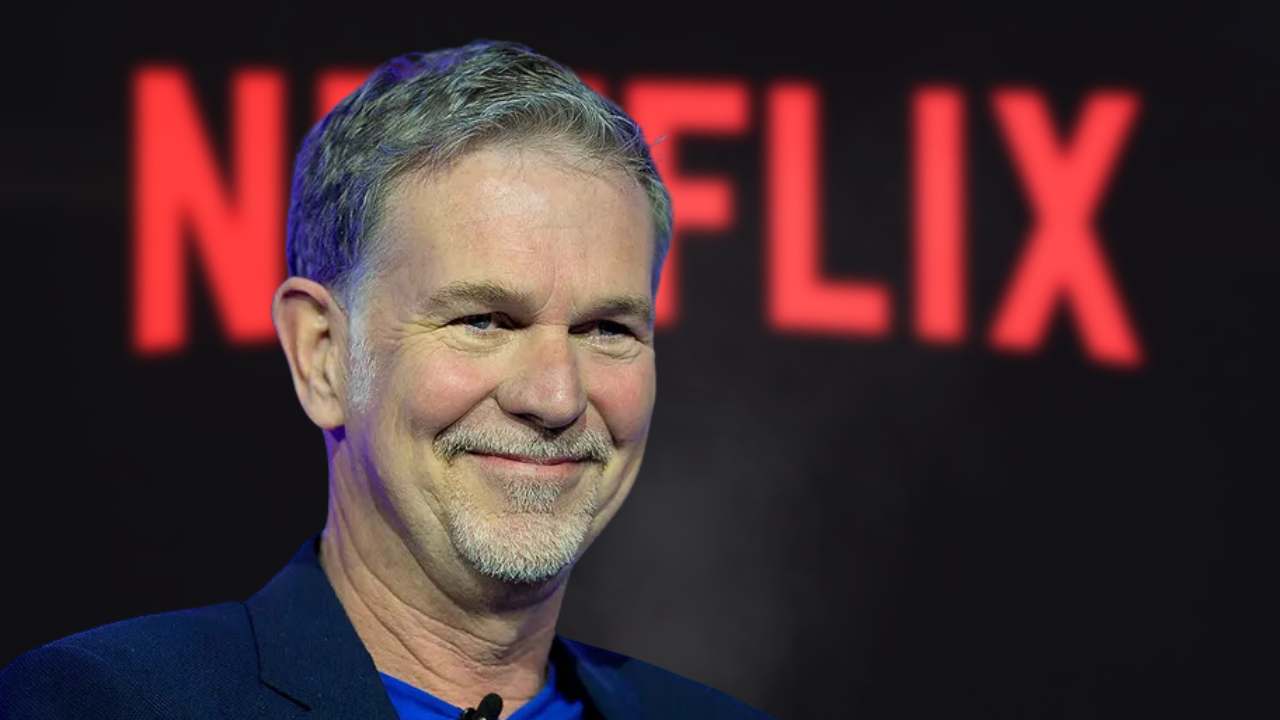
Reed Hastings Philanthropy 2024: In a newsworthy event last week, Reed Hastings, the co-founder and former CEO of Netflix, drew attention through a substantial act of giving. He donated approximately 40% of his company stock, valued at $1.1 billion.
The gift stands as Hastings’s largest contribution to date and represents roughly 20% of his total net worth.
An SEC filing dated January 24 revealed that Hastings transferred 2 million shares, classified as a “bona fide gift” under transaction code “G.” The contribution reflects a commitment to philanthropy he shares with his wife, Patty Quillin.
Over the years, Hastings and Quillin have supported a range of charitable causes, including a $120 million donation in 2020 to the United Negro College Fund and two historically Black colleges.
The couple has also committed to give the majority of their wealth through the Giving Pledge, the initiative led by Bill Gates and Warren Buffett.
The Silicon Valley Community Foundation was the recipient. SVCF works on systemic inequality in the Bay Area, and the gift will support initiatives in affordable housing, childhood development, and disaster relief.
SVCF’s appeal extends beyond its charitable programmes. It administers donor-advised funds, a structure that has proved attractive to Northern California’s technology sector for its privacy protections and tax treatment.

A donor-advised fund is worth understanding clearly, because it changes what a headline donation figure means. Money placed in one leaves the donor’s estate and generates an immediate tax deduction, but there is no legal requirement that it reach a working charity on any timetable — it can sit in the fund indefinitely, invested, while the donor decides where it goes. Supporters argue this allows for considered, long-term grantmaking rather than rushed giving. Critics point out that a deduction is taken today for a public benefit that may be delivered years later, or not at all, and legislative proposals to impose payout deadlines have been introduced in Congress more than once without passing.
Charitable giving in the United States carries substantial tax advantages. Deductions of up to 30% of adjusted gross income are available for gifts of appreciated assets, and donating appreciated stock rather than cash allows the donor to avoid the capital gains tax that a sale would incur.
The specific deduction Hastings will claim has not been disclosed. The broader landscape of billionaire philanthropy continues to shift, with figures including MacKenzie Scott, who has divested substantial Amazon holdings to fund direct giving, taking notably different approaches to distribution.
Having stepped down as CEO in 2023 after a 25-year tenure, Hastings continues to influence Netflix’s direction as executive chairman. With co-CEOs Ted Sarandos and Greg Peters leading the company, Netflix retains its position in streaming.
Hastings’s donation reflects a significant commitment and illustrates how large-scale giving in the technology sector is structured. As charitable giving continues to evolve, the mechanisms behind gifts of this size are as consequential as their headline figures.
Also read: Netflix Billionaire’s $100 Million Purchase of North America’s Largest Ski Resort