Nancy Zeckendorf: From Small Town Dreams to a Life on the World’s Grandest Stages
Hailing from a small town in Pennsylvania, Nancy Zeckendorf’s sheer will and determination led her to New York City, where she became one of the principal dancers of the Metropolitan Opera. From there, she met and married the love of her life, William Zeckendorf, a member of one of New York’s most prominent real estate families. Her latest memoir, Small Town, Big Dreams, reads like a classic Audrey Hepburn fairy tale, one that both inspires and captivates the reader. In it, she details her fascinating career as a dancer, the legends she met along the way, and offers an intimate look at her life after dance as a wife, philanthropist, real estate developer, and fundraiser. Here, Nancy shares the valuable life lessons she has learned, her advice for a successful marriage, and how dance has shaped her life both on and off the stage.
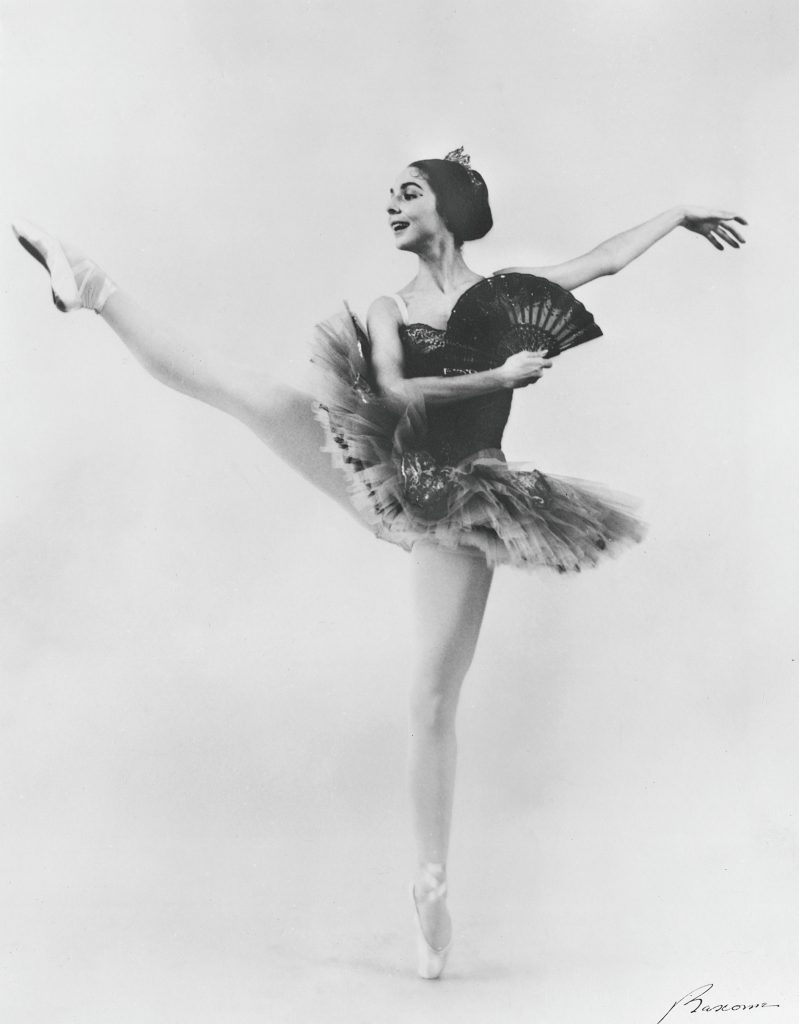
Tell us about your journey from a small town girl to the Metropolitan Opera Ballet.
I came from a very small town of about 1,000 people, but I knew the minute I was born that I was going to get out of there. My mother brought me a little record player, and I fell in love with music and started to dance. We spent our winters in St. Petersburg, Florida, to escape the cold of Pennsylvania, and that’s where I started my dance lessons. Back in Pennsylvania, the closest ballet school was in a nearby town, and the mailman would drive me there every Saturday morning and back again at night, for twenty five cents round trip. I had to collect nightcrawlers just to pay the fare. That’s how I got my first ballet lessons. From there, I met mentors who helped me get out of that small Pennsylvania town and into New York City, where I was given two weeks to prove to my parents that I could actually make it as a dancer.
When I got to New York City and auditioned, I was told I was a pre beginner and needed three lessons a week with no pointe work. I was very lucky, because I then got into Juilliard, and having my picture on the cover of Colliers proved to my parents, more than anything else, that I was probably going to make it. After Juilliard, I auditioned for a Broadway show, my first, and was made understudy to the lead, though the show only ran for three months. After that, I got into the Metropolitan Opera Ballet Company, which was a divine place to be for nine years. Every year the entire company toured across the country by train, with wonderful parties and entertainment along the way. After the Metropolitan Opera, I also danced with the Santa Fe Opera, where Igor Stravinsky was conducting his own opera that we performed in. I met my husband’s mother in Santa Fe, where she was in the audience since her husband was a music critic. When I returned to New York, she introduced me to her son, Bill Zeckendorf.
That was the beginning of a whole new life. I stopped dancing because my husband wanted me to be with him in the evenings. I started raising money for the American Ballet Theatre before fundraisers, as we know them today, really existed. I did it purely as a volunteer. I chaired nineteen galas for them and raised money on their behalf for fifteen years. I also seem to have a talent for seating the right people together.
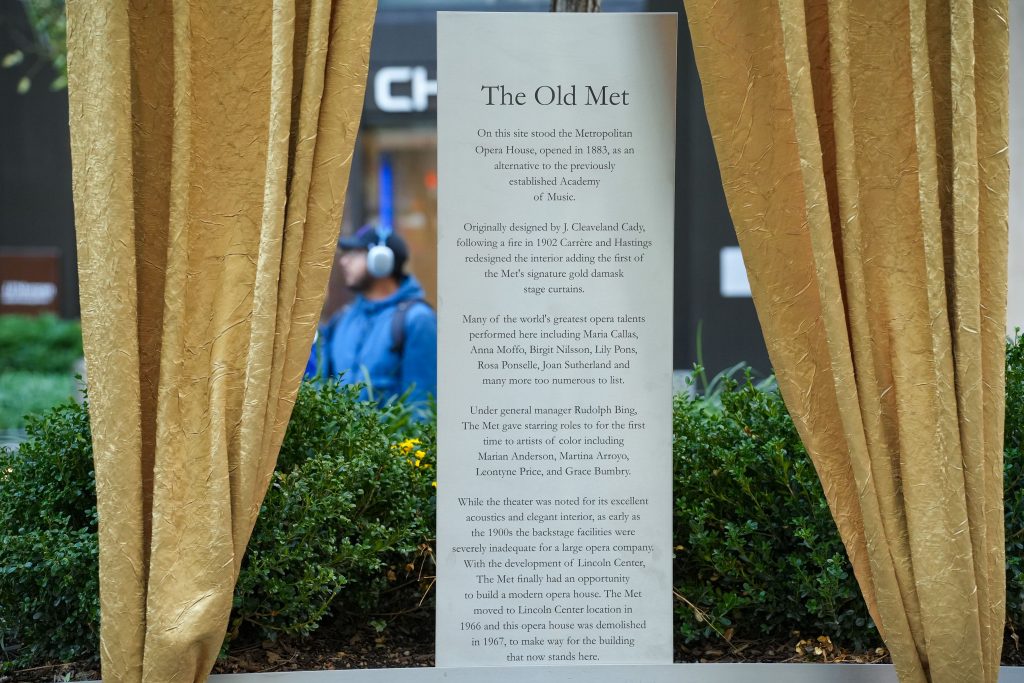
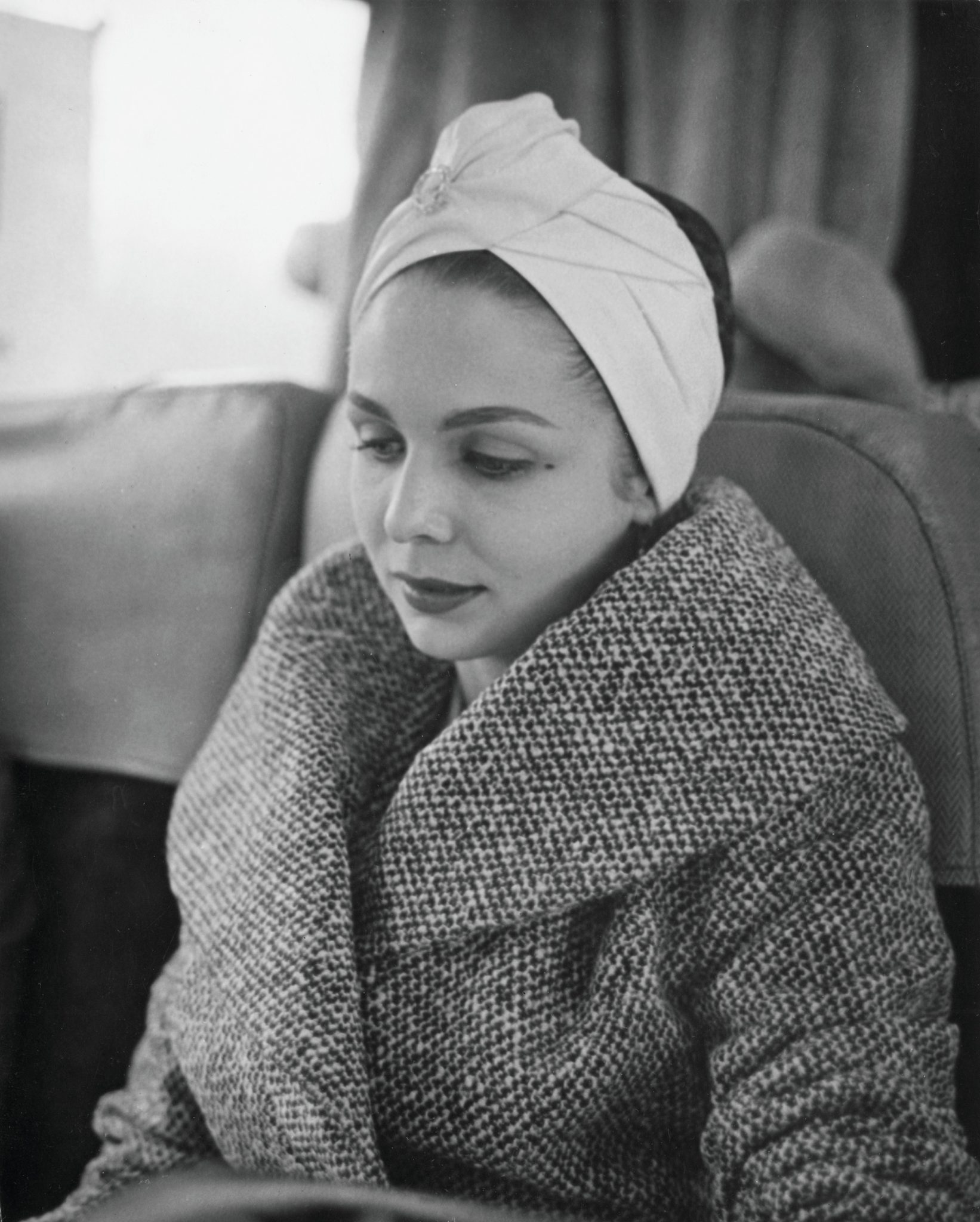
Also view and read about this photo and a few others illustrating this interview here!
How did you begin in fundraising?
I’ve been a fundraiser since I was a little girl. I brought home the most money from Girl Scout cookie drives, raised funds for the March of Dimes, and had the highest subscription sales in high school. I suppose it was simply in my blood. After I left the opera, we moved to Santa Fe, where my husband was building a townhouse project. I served as project manager for about two years and came to love construction and architecture. I later joined the board of the Santa Fe Opera, eventually becoming President and Chairman, and launched a campaign that raised 21 million dollars for our new opera house there.
My husband put together a deal to acquire a theater downtown, which the two of us transformed into a performing arts center, since there hadn’t been one previously. I raised 9 million dollars for its construction, and it has since become very successful and deeply loved by the community.
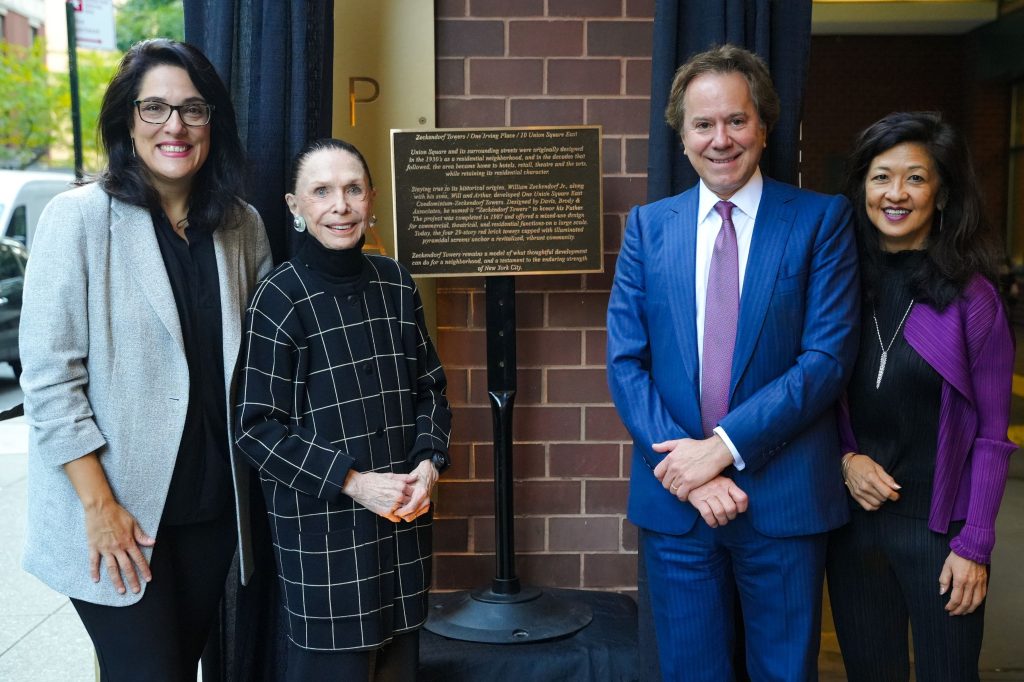
What are some of the biggest life lessons you’ve learned along the way?
Being raised Catholic in a conservative small town gave me a lot of determination and ambition to succeed, to be the best. It’s part of my personality too, I’m an Aries. One thing I’ve learned about life is that a truly great marriage happens when you stop expecting things from each other. That’s when you have a genuinely good relationship, and I was married to my husband for fifty years before he passed.
Who have you met that you’ve been most impressed by?
There was a very famous ballerina, Vera Zorina, who was married to George Balanchine. She was in New York while I was dancing at the opera, and she became my very best friend. Joan Fontaine was another friend I met in New York. Being part of the opera world, we got to meet so many wonderful people. The founder of the Santa Fe Opera was John Crosby, supposedly a very difficult person to work with, but I enjoyed working with him more than almost anything else, and I learned an enormous amount from him. I’ve also had many conductor and composer friends, including Francesca Zambello, the opera director who recently left Glimmerglass, and of course all of my ballet teachers along the way.
When you first met your husband, did you realize he was the love of your life?
No. When I first met him, he thought I was practically a nun. His mother told him to call me because they had tickets to the Bolshoi when it came to New York, and she also wasn’t fond of some of his other girlfriends. It wasn’t instant, but I cared a great deal about him, and I felt he needed me. Doesn’t every woman feel that way about the man she marries? It took him a while to decide, so I went on vacation and let him think it over. He came back, made up his mind, and we got married. The rest is history.
Was it a natural progression to move into real estate and design?
That had something to do with living and working in ballet studios, which were always very spacious. I truly love architecture, and I’m happiest when I have plans in my hand. I.M. Pei, the iconic architect, was a great family friend and a major influence on me as well. We moved into an apartment he had designed for Bill’s father, and it was the first contemporary apartment I had ever lived in, which changed my life. When my husband bought the Delmonico Hotel and began converting it into rental apartments in the 1970s, I took all the leftover hotel furniture and furnished twenty seven apartments with it, buying only new rugs to complete the look. I love putting things together and making them work, though I wouldn’t call myself a designer. I love construction. It’s all about line, design, and space, which isn’t so different from dance.
A Life Built on Rhythm and Reinvention
Looking back, what stands out most about Nancy’s story is how naturally each chapter grew out of the one before it. The discipline of the studio became the discipline of fundraising. The eye for space and movement on stage became an eye for architecture and design. Rather than leaving her dancer’s instincts behind when she left the stage, she carried them forward, applying the same sense of rhythm, precision, and presence to every room, gala, and building project that followed.
When you look back at your life, is there anything you would have done differently?
I’ve had a wonderful life, full of opportunities to do so many things and work alongside so many exciting people. Being part of the Metropolitan Opera, the Santa Fe Opera, and the American Ballet Theatre, knowing Baryshnikov, and having lifelong friends who were former ballerinas, it was a truly blessed life. The most important thing that ever happened to me was getting out of the small town where I grew up. I was lucky to do it because of people who took me under their wing, a psychiatrist and an artist among them, who gave me the courage to tell my family I really had to pursue this instead of going to college. Luckily, Juilliard was offering a Bachelor of Science degree with a major in dance at the time.
I feel very fortunate to have done what I never believed I would get to do. When I was a little girl listening to Risë Stevens on my little record player, no one could have convinced me I would one day be dancing at the Metropolitan Opera myself. That felt like a miracle. I also started dancing quite late and was fairly mediocre at first. I was seventeen when I arrived in New York and was truly a beginner. Today, seventeen year old dancers are often already performing principal roles in ballet companies. Having started so late, I feel especially lucky to have accomplished what I did.
How do you think ballet is different today than when you started?
Technique in dance has gone far beyond anything anyone could have imagined thirty years ago, and dancers back then simply couldn’t touch what’s happening today. In some ways, I think athleticism has taken over. The emphasis now leans heavily toward contemporary dance, since many companies performing classical works believe audiences are more drawn to it, which doesn’t thrill me personally. I still love classical ballet, Swan Lake, Sleeping Beauty, and The Nutcracker, because that’s what I grew up with. For a long time we had wonderful Russian dancers here, and we don’t anymore. Everything changes, and many opera directors today enjoy reimagining productions in new settings, which is sometimes successful and sometimes not.
Grand opera is supposed to be full of wonderful, exciting scenery and costumes, but many contemporary directors prefer something more restrained in its production. A great deal of dance has been cut from productions, which makes me sad. What saddens me most is that when I was with the Metropolitan Opera for nine years, we had forty dancers on staff. Now they don’t keep any permanent dancers at all, they simply hold auditions whenever a need arises. During my time there, we performed grand Verdi operas with large ballet scenes, and we danced constantly, which was wonderful. Sharing the stage with Maria Callas was incredible. Being on the stage at the Metropolitan Opera, whether performing a solo or simply standing in the back as a priestess or a courtesan, was always meaningful, and it was special to have been part of that company during that era.
Are there any principles you learned in ballet that you’ve applied to your life?
Discipline, discipline, discipline. I learned a wonderful lesson from a man who had been an early mentor to Martha Graham. He wasn’t a dancer but a musician, teaching at Juilliard and composing scores for her. We became friends, and he was a much older gentleman by the time I knew him. One day he took me to dinner and told me the real problem between him and Martha Graham was that two toothbrushes can’t stay on the same counter. Don’t push over. Don’t make waves. My husband had been married before, but I was fortunate that I never had to encroach on his space. It wasn’t only about physical space either, and it was a lesson that stayed with me.
When you take a ballet class, everything else disappears from your mind. It’s very much like doing yoga or meditating. You place your arm on the barre, the music begins, and your body simply does what it knows how to do. It’s automatic, and deeply therapeutic. The same is true once you step on stage. You can’t think about anything else. It becomes part of you. But you have to put in the work first for it to ever become automatic.
If anyone could play you in a film adaptation of your memoir, who would it be?
A long time ago, everyone said I looked like Audrey Hepburn, and she studied dance herself. If we could go back in time, she would be my choice.