Mid-size jets for sale have emerged as one of the most strategic entry points into private aviation ownership for millionaires in 2026. As global wealth expands and business leaders demand faster, more flexible travel solutions, this aircraft category has gained exceptional traction. Buyers are increasingly shifting away from ultra-large, high-cost jets and instead focusing on aircraft that deliver optimal performance without excessive capital exposure.
In today’s aviation market, decision-makers are prioritizing range, fuel efficiency, and cabin comfort over sheer size. Mid-size jets offer a compelling mix of these attributes, allowing executives to travel efficiently across regions while maintaining a premium onboard experience. Consequently, they have become the preferred choice for entrepreneurs, corporate leaders, and high-net-worth individuals seeking practical luxury.
Moreover, mid-size jets for sale strike a balance between affordability and capability. They are designed to handle both regional and transcontinental missions while keeping acquisition and operating costs within a manageable range. This combination of cost-efficiency and performance positions them as the “sweet spot” in private aviation.
What Are Mid-Size Jets?
Mid-size jets are private aircraft specifically engineered to accommodate between six and nine passengers comfortably. They are larger than light jets but smaller than heavy jets, offering enhanced range and cabin space without the operational complexity of long-haul aircraft. Typically, these jets can travel between 2,000 and 3,500 nautical miles, making them ideal for cross-country and regional international travel.
From a design perspective, mid-size jets incorporate advanced aerodynamics and efficient engines, enabling higher cruise speeds and reduced fuel consumption. These aircraft often feature stand-up cabins, enclosed lavatories, and sufficient baggage capacity, which are essential for business travelers who prioritize both comfort and functionality during flights.
Furthermore, mid-size jets occupy a critical position in the private aviation hierarchy. While light jets are more economical but limited in range, and heavy jets offer global reach at a higher cost, mid-size jets bridge this gap effectively. Therefore, they provide a balanced solution for individuals who require performance without committing to ultra-high ownership expenses.
Why Millionaires Prefer Mid-Size Jets?
Millionaires are increasingly investing in mid-size jets for sale due to their cost-effectiveness compared to heavy jets. Acquisition costs are significantly lower, making them accessible to a broader segment of wealthy buyers. Additionally, operating expenses such as fuel consumption, maintenance, and crew salaries are more manageable, which enhances long-term financial sustainability.
Another major advantage lies in flexibility. Mid-size jets can access a wider range of airports compared to larger aircraft, allowing executives to reach secondary cities and business hubs more efficiently. This capability is particularly valuable for industries that require frequent regional travel, such as finance, technology, and manufacturing.
Moreover, these jets optimize private aviation efficiency by delivering strong performance metrics without excessive overhead. They allow owners to maximize productivity, minimize travel time, and maintain a consistent level of comfort. As a result, they are increasingly viewed as practical business tools rather than purely luxury assets.
Mid-Size Jets for Sale (2026 Comparison)
| Model | Range (nm) | Price (USD) | Passenger Capacity | Best Use Case |
|---|---|---|---|---|
| Bombardier Challenger 3500 | 3,400 | $27M+ | 8–10 | Corporate transcontinental travel |
| Cessna Citation Latitude | 2,700 | $20M+ | 7–9 | Regional business travel |
| Embraer Praetor 500 | 3,340 | $25M+ | 7–9 | High-speed executive missions |
| Gulfstream G280 | 3,600 | $26M+ | 8–10 | Long-range business operations |
Popular Mid-Size Jet Models
The Bombardier Challenger 3500 stands out as one of the most advanced mid-size jets available in 2026. It offers a spacious cabin, cutting-edge avionics, and impressive range, making it ideal for corporate executives who require reliable cross-country travel. Its cabin design focuses heavily on passenger comfort and productivity.
The Cessna Citation Latitude is known for its operational efficiency and lower acquisition cost. It is widely used for regional business travel due to its reliability and relatively lower operating expenses. This model is particularly attractive for first-time jet buyers entering the private aviation market.
Meanwhile, the Embraer Praetor 500 delivers exceptional speed and range within the mid-size category. It incorporates advanced technology and superior fuel efficiency, making it a strong competitor in terms of performance. Its modern cabin features also enhance the overall travel experience.
The Gulfstream G280, on the other hand, is designed for longer missions. It offers extended range capabilities and a refined cabin environment, making it suitable for executives who frequently travel across continents. Consequently, it is often chosen by corporations with global operations.
Cost of Mid-Size Jets for Sale
The cost of mid-size jets for sale varies depending on whether buyers choose new or pre-owned aircraft. New jets typically range from $20 million to over $30 million, depending on customization and onboard features. Pre-owned jets, however, can be acquired for $8 million to $18 million, offering a more affordable entry point.
Annual operating costs are another critical factor. Owners can expect to spend between $800,000 and $1.5 million per year on expenses such as fuel, maintenance, crew salaries, insurance, and hangar fees. These recurring costs must be carefully evaluated before making a purchase decision.
In addition, the total cost structure includes variable expenses that fluctuate based on usage. Higher flight hours result in increased fuel and maintenance costs, while fixed expenses remain constant regardless of utilization. Therefore, buyers must assess their travel frequency to determine whether ownership is financially viable.
Performance & Travel Capability
Mid-size jets are designed to deliver high-performance travel solutions for business professionals. They can complete nonstop regional and cross-country flights, significantly reducing travel time compared to commercial aviation. This capability allows executives to attend multiple meetings across different cities within a single day.
These jets also offer high cruise speeds, typically ranging between Mach 0.75 and Mach 0.80. This ensures efficient travel without compromising fuel economy. Additionally, advancements in engine technology have improved overall efficiency, making mid-size jets more environmentally sustainable.
Another key advantage is cabin pressurization and noise reduction. Passengers experience a quieter and more comfortable environment, which enhances productivity during flights. Consequently, mid-size jets enable travelers to work, relax, or conduct meetings while in transit.
Cabin Experience & Luxury Features
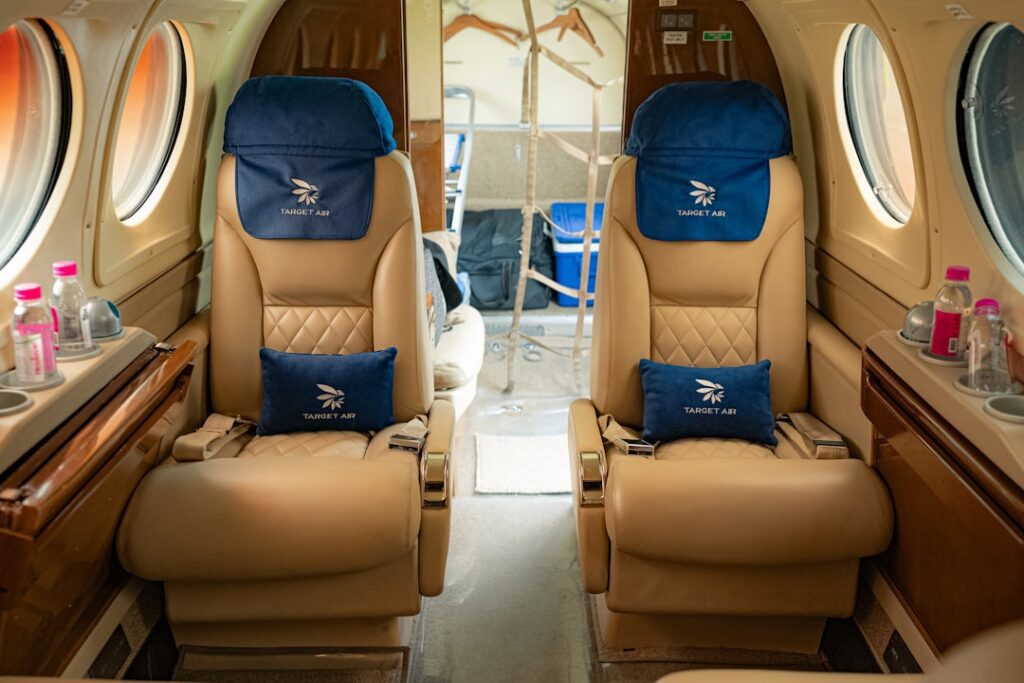
The cabin experience in mid-size jets has evolved significantly in recent years. These aircraft now feature reclining executive seating, spacious layouts, and dedicated meeting areas. This design allows passengers to conduct business discussions or relax during long flights.
Modern mid-size jets are equipped with high-speed WiFi connectivity, enabling seamless communication and productivity. Passengers can attend virtual meetings, send emails, and access cloud-based applications without interruption. This transforms the aircraft into a fully functional mobile office.
Additionally, premium materials and customizable interiors enhance the luxury experience. Buyers can explore private jet cabin upgrade options to personalize layouts, seating arrangements, and entertainment systems to meet their specific preferences. Therefore, mid-size jets offer both practicality and exclusivity in equal measure.
Mid-Size Jets vs Light Jets vs Heavy Jets
| Category | Cost | Range | Comfort Level | Operating Cost | Ideal User |
|---|---|---|---|---|---|
| Light Jets | $5M–$10M | 1,500–2,000 nm | Moderate | Low | Short regional travelers |
| Mid-Size Jets | $20M–$30M | 2,000–3,500 nm | High | Medium | Business executives & millionaires |
| Heavy Jets | $40M–$70M+ | 5,000+ nm | Ultra-high | Very High | Ultra-long-haul global travelers |
Why Mid-Size Jets Dominate Business Aviation?
Mid-size jets dominate business aviation because they offer the best balance between cost and performance. They provide sufficient range for most business routes while maintaining manageable ownership expenses. This makes them highly attractive to both individual buyers and corporations.
Another factor contributing to their dominance is availability. Mid-size jets are widely available in both charter and resale markets, ensuring strong liquidity. Buyers can easily enter or exit the market without significant financial risk.
Moreover, these aircraft retain their value relatively well compared to other categories. Strong demand and consistent usage patterns support resale value, making them a stable investment. Therefore, mid-size jets are not only practical but also financially strategic assets.
Ownership vs Charter Decision
Full ownership offers maximum control and flexibility. Owners can customize their aircraft, schedule flights according to their needs, and treat the jet as a long-term asset. However, this option requires significant upfront capital and ongoing operational management.
Charter services, on the other hand, provide flexibility without the burden of ownership. Users pay per flight, which eliminates maintenance and staffing responsibilities. This model is ideal for individuals who travel occasionally but still require private aviation benefits.
Fractional ownership represents a middle ground. Buyers purchase a share of an aircraft, reducing costs while maintaining access to private flights. This option is particularly appealing to millionaires who want consistent access without full ownership commitments.
Limitations & Considerations
Despite their advantages, mid-size jets are not suitable for ultra-long intercontinental travel. Their range limitations mean that multiple stops may be required for extended journeys. This can increase travel time and operational complexity.
Additionally, the upfront capital requirement remains substantial. Even though mid-size jets are more affordable than heavy jets, they still require significant financial investment. Buyers must carefully evaluate their financial position before committing.
Operational complexity is another consideration. Managing crew, maintenance schedules, and regulatory compliance can be challenging. Therefore, many owners choose to work with management companies to handle these responsibilities.
2026 Private Jet Market Trends
The demand for mid-size jets for sale continues to rise globally in 2026. Increased business travel, growing wealth, and the need for efficient transportation solutions are driving this trend. As a result, manufacturers are focusing heavily on this segment.
There is also a noticeable shift toward pre-owned aircraft. Buyers are seeking cost-effective alternatives while still benefiting from high-performance capabilities. This trend is expanding the secondary market significantly.
Sustainability is becoming a major focus in private aviation. Manufacturers are developing more fuel-efficient engines and exploring sustainable aviation fuels. Consequently, mid-size jets are evolving to meet environmental standards.
Furthermore, corporate private aviation fleets are expanding. Companies are investing in mid-size jets to improve operational efficiency and reduce reliance on commercial airlines. This trend highlights the growing importance of private aviation in business strategy.
FAQs
How much do mid-size jets cost?
Mid-size jets typically cost between $20 million and $30 million for new models, while pre-owned options range from $8 million to $18 million.
What is the range of a mid-size jet?
Most mid-size jets offer a range between 2,000 and 3,500 nautical miles, suitable for regional and transcontinental travel.
Are mid-size jets worth buying?
Yes, they provide an excellent balance of cost, performance, and comfort, making them ideal for business aviation.
What are the best Mid-Size Jets for Sale?
Top models include the Bombardier Challenger 3500, Cessna Citation Latitude, Embraer Praetor 500, and Gulfstream G280.
Is it better to charter or buy a Mid-Size Jet?
It depends on usage. Frequent travelers benefit from ownership, while occasional users may prefer charter or fractional ownership.