Maintaining a manufacturing plant or commercial warehouse requires a sound capital strategy. Physical structures lose market value when property owners delay structural repairs and modernizations. Smart facility improvements protect original equity investments and attract premium commercial tenants.
Commercial building owners who modernize core infrastructure lower monthly utility expenditures. These upgrades increase operational throughput and boost long-term property appraisal figures.
Investing In Painting Services
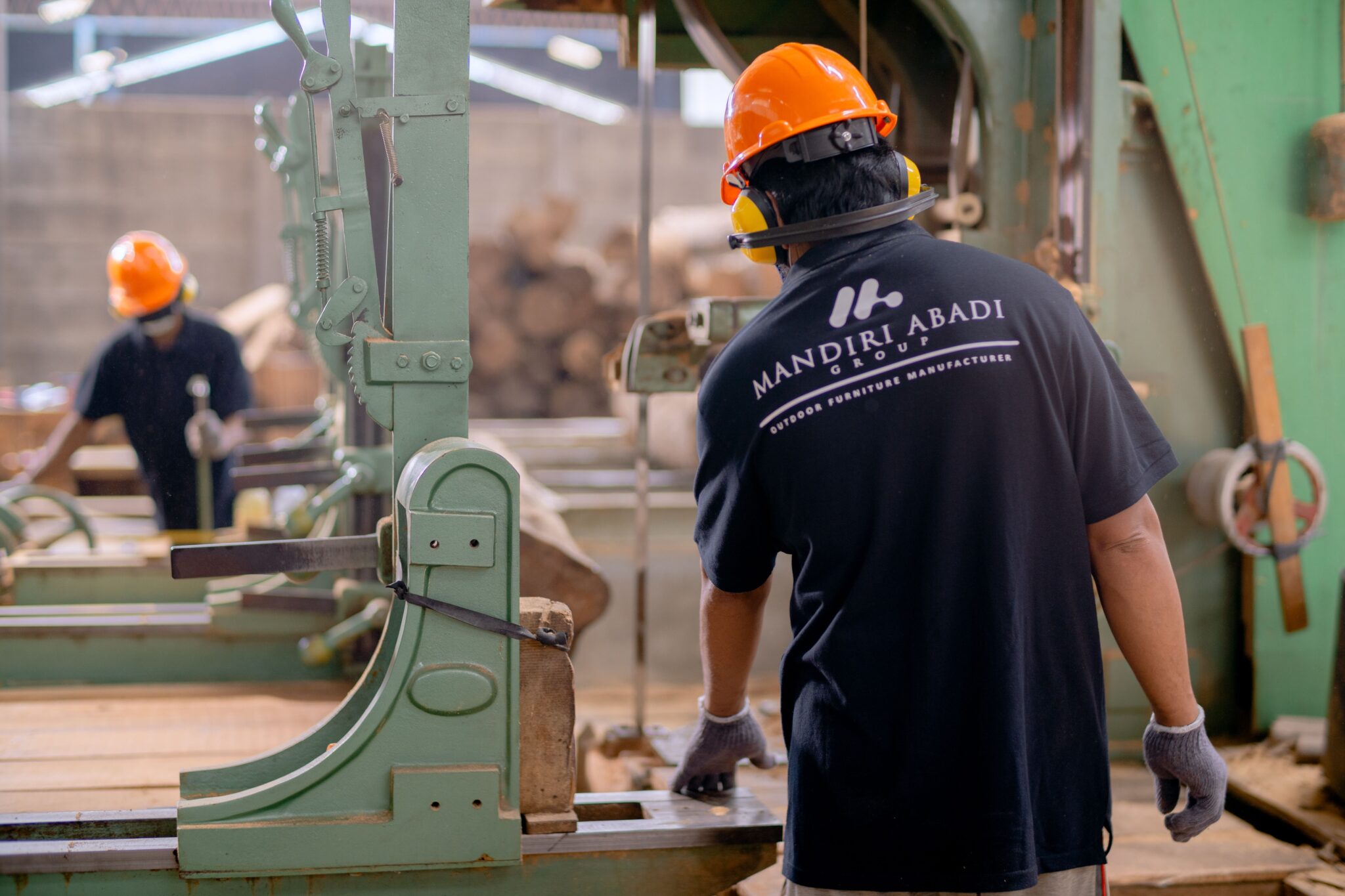
Exterior walls and structural steel suffer continuous wear from severe weather and chemical fumes. Selecting reliable industrial painting services prevents corrosion and restores a clean commercial appearance. Prospective facility buyers assess visible maintenance first when calculating purchase offers on industrial real estate.
Coating interior plant floors and exposed structural beams brightens workplace lighting without adding electrical fixtures. Clean wall surfaces improve worker safety by reducing moisture absorption and chemical retention. Commercial appraisers assign higher valuation metrics to facilities with pristine wall coatings and sealed surfaces.
Scheduled touch-ups prevent deep structural oxidation across steel frame buildings. Clean exterior facades project strong operational management to clients visiting the plant. Maintaining crisp exterior paint protects the underlying substrate and avoids costly total replacement work.
Modernizing HVAC And Climate Control Systems
Heating and cooling systems consume substantial power in large warehouse spaces. Replacing obsolete rooftop units with modern variable-refrigerant equipment reduces monthly utility billing. Lower operational overhead directly increases net operating income for property managers.
An enterprise annual financial report stated that facility retrofit activity and capital maintenance projects directly impact long-term property performance. Installing programmable commercial thermostats allows operators to adjust temperature schedules across specific work zones. Automation prevents energy waste during non-operational shifts and weekend hours.
Clean indoor air distribution protects delicate inventory and mechanical hardware from dust build-up. Proper ventilation extends the service lifespan of expensive plant machinery. Industrial buyers place high value on buildings with documented climate control upgrades.
Upgrading Surface Protective Coatings
Heavy equipment and forklift traffic wear down warehouse concrete slabs rapidly. Applying high-performance epoxy coatings shields concrete floors against deep structural cracking and chemical spills.
Smooth coated floors accelerate internal material transport and keep dust accumulation low. A commercial maintenance publication noted that scheduled commercial maintenance painting and touch-up programs protect asset value and avoid costly total recoats down the line.
Facility managers schedule routine surface inspections to address minor chips before rust or moisture spreads. Proactive floor maintenance minimizes future capital expenditure requirements.
Sealed concrete surfaces resist oil penetration and simplify daily plant cleanup operations. Bright floor finishes assist safety compliance by highlighting pedestrian walking zones. Sustained floor quality boosts overall facility evaluation scores during commercial property appraisals.
Implementing Smart Automation Systems
Modern industrial buyers seek commercial facilities equipped with digital monitoring equipment. Smart sensors track machinery vibrations, power draw, and water line pressure continuously. Real-time diagnostic data helps maintenance crews fix small mechanical issues before costly breakdowns occur.
Integrating automated facility controllers delivers measurable operational benefits across commercial sites:
- Sub-metering monitors power consumption across individual production departments.
- Automated LED controls adjust fixture brightness based on natural daylight levels.
- Smart access control monitors entry logs across all loading dock doors.
Centralized building management systems optimize energy consumption across large industrial spaces. Automated alarms notify property managers instantly regarding plumbing leaks or power fluctuations. High-tech automation infrastructure differentiates commercial properties in competitive real estate markets.
Upgrading Electrical Power Infrastructure
Older manufacturing plants often struggle to support modern high-voltage machinery. Upgrading main transformer capacity and distribution panels allows facilities to host heavy production machinery.
Stable electrical connections protect sensitive automated systems against unexpected voltage fluctuations. A state capital improvements report indicated that statewide capital planning for facilities requires over $28.6 billion for ongoing maintenance and renovation of existing infrastructure.
Private facility owners face similar financial pressures to upgrade aging power networks. Expanding electrical capacity prevents power outages and prepares facilities for heavy industrial tenants.
Modern power systems accommodate green energy installations like rooftop solar arrays. Commercial buyers reward buildings capable of handling high electrical loads without costly grid modifications. Robust power infrastructure preserves long-term asset value across industrial sectors.
Improving Security And Access Infrastructure
Securing physical assets forms a key part of risk management for industrial property owners. Installing perimeter fencing, HD security cameras, and card reader access points keeps inventory safe. Upgraded physical security systems often reduce commercial insurance premium costs for building owners.
Logistics operators prefer leasing facilities equipped with complete perimeter access controls. Automated gate systems speed up commercial truck check-in times and maintain gate security. Secure loading docks prevent inventory loss and protect expensive shipping equipment.
Integrated camera networks offer remote visibility across large industrial yards. Property managers monitor site conditions without requiring full-time security guards at every gate. Strong security measures enhance site marketability during leasing negotiations.
Targeting high-impact structural improvements yields strong financial returns for facility owners. Upgrading electrical capacity, protective coatings, and smart automation raises daily output and cuts operating expenses. These proactive investments preserve structural integrity and command higher market valuation during future property sales.