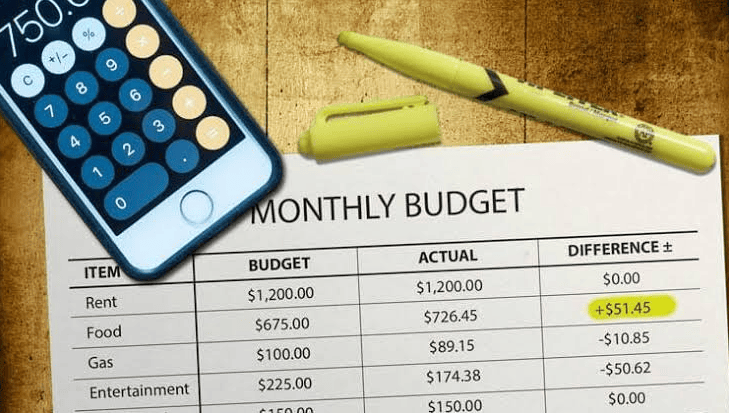
Creating a monthly budget is one of the most effective ways to take control of your finances. A good budget helps you understand your spending habits, manage your income, save for future goals, and avoid unnecessary financial stress. However, many people create budgets that are too complicated or unrealistic, causing them to give up quickly.
A successful budget is not about restricting every purchase. It is about creating a clear plan for your money and making sure your spending matches your priorities. Whether you are trying to save more, pay off debt, or simply organize your finances, learning how to create a monthly budget that works can improve your financial life.
What Is a Monthly Budget?
A monthly budget is a financial plan that shows how much money you earn, how much you spend, and how much you save each month. It helps you decide where your money should go instead of spending without a plan.
A basic monthly budget includes:
- Monthly income
- Fixed expenses
- Variable expenses
- Savings goals
- Debt payments
- Extra spending money
By creating a budget, you can make better decisions and avoid running out of money before the end of the month.
Step 1: Calculate Your Monthly Income
The first step in creating a budget is knowing exactly how much money you have available each month.
Include all sources of income, such as:
- Salary or wages
- Freelance income
- Business earnings
- Rental income
- Side jobs
- Other regular payments
If your income changes each month, use an average based on your previous earnings. Having an accurate income number gives you a realistic starting point for your budget.
Step 2: List All Monthly Expenses
After calculating your income, write down every expense you have during the month. This includes both essential and non-essential spending.
Fixed Expenses
Fixed expenses stay mostly the same every month. Examples include:
- Rent or mortgage payments
- Insurance
- Loan payments
- Internet bills
- Phone bills
Variable Expenses
Variable expenses change from month to month. Examples include:
- Groceries
- Transportation
- Entertainment
- Shopping
- Dining out
Tracking all expenses helps you understand where your money is going and identifies areas where you can save.
Step 3: Separate Needs From Wants
One of the most important budgeting skills is learning the difference between needs and wants.
Needs are expenses required for daily living, such as:
- Housing
- Food
- Utilities
- Healthcare
- Transportation
Wants are things that improve your lifestyle but are not essential, such as:
- New clothes
- Streaming services
- Expensive hobbies
- Luxury purchases
This does not mean you should eliminate all wants. A balanced budget allows some enjoyment while keeping your financial goals on track.
Step 4: Choose a Budgeting Method
There are several budgeting methods you can use. Choose one that fits your lifestyle and financial goals.
The 50/30/20 Budget Rule
This popular method divides your income into three categories:
- 50% for needs
- 30% for wants
- 20% for savings and debt repayment
It is simple and works well for beginners who want an easy structure.
Zero-Based Budgeting
With zero-based budgeting, every dollar has a purpose. Your income minus expenses, savings, and debt payments should equal zero.
This method provides detailed control over your money.
Envelope Budgeting
Envelope budgeting involves dividing money into categories and setting limits for each one. You can use physical envelopes or digital budgeting tools.
This method is useful for controlling overspending.
Step 5: Set Savings Goals
A budget should not only cover expenses; it should also help you build your future.
Include savings categories such as:
- Emergency fund
- Retirement savings
- Vacation fund
- Education savings
- Home purchase goals
Pay yourself first by saving money before spending on unnecessary items. Even small monthly savings can create strong financial habits.
Step 6: Include Debt Payments
If you have debt, your monthly budget should include a repayment plan.
Focus on:
- Paying at least the minimum payment on all debts
- Paying extra toward high-interest debt
- Avoiding new unnecessary debt
A clear debt repayment strategy can help you become financially free faster.
Step 7: Track Your Spending Throughout the Month
Creating a budget is only the beginning. The next step is making sure you follow it.
Review your spending regularly and compare it with your planned amounts. If you notice that you are spending too much in one category, make adjustments before the month ends.
Useful tools include:
- Budgeting apps
- Spreadsheets
- Banking tools
- Expense tracking journals
Regular tracking keeps you accountable and helps you improve your financial habits.
Step 8: Make Your Budget Realistic
Many budgets fail because they are too strict. If you remove every enjoyable expense, you may struggle to maintain the plan.
A realistic budget should include:
- Occasional entertainment
- Personal purchases
- Unexpected expenses
- Flexibility for changes
Your budget should support your lifestyle, not make you feel constantly restricted.
Step 9: Review and Improve Your Budget Every Month
Your financial situation can change over time. Income, expenses, and goals may shift, so your budget should be flexible.
At the end of each month, review:
- What you spent
- What you saved
- Where you overspent
- What changes you need to make
Improving your budget regularly helps you create a system that works long term.
Common Budgeting Mistakes to Avoid
Many people struggle with budgeting because of common mistakes, including:
- Forgetting irregular expenses
- Setting unrealistic spending limits
- Not tracking purchases
- Ignoring savings goals
- Giving up after one bad month
A successful budget is built through consistency, not perfection.
FAQs About Creating a Monthly Budget
1. How do I create a monthly budget for the first time?
Start by calculating your income, listing all expenses, setting savings goals, and choosing a budgeting method that matches your needs. Track your spending and adjust your plan each month.
2. What percentage of income should go to savings?
Many financial experts recommend saving around 20% of your income, but the right amount depends on your financial situation. Beginners can start with a smaller amount and increase savings over time.
3. What is the easiest budgeting method for beginners?
The 50/30/20 budgeting method is often considered one of the easiest methods because it provides a simple structure without requiring detailed tracking of every expense.
4. How can I stick to my monthly budget?
You can stay consistent by tracking expenses, setting realistic limits, automating savings, and reviewing your budget regularly.
5. Should I include entertainment in my budget?
Yes. A good budget should include money for entertainment and personal enjoyment. Allowing some flexibility makes it easier to maintain your financial plan.
6. How often should I review my budget?
You should review your budget at least once every month. Regular reviews help you identify problems and make improvements.
7. Can budgeting help me save money?
Yes. Budgeting helps you understand your spending habits, reduce unnecessary expenses, and create a clear plan for saving money.
Final Thoughts
Learning how to create a monthly budget that works is an important step toward financial success. A good budget gives you control over your money, helps you achieve goals, and reduces financial uncertainty.
The best budget is not the one that looks perfect on paper; it is the one you can follow consistently. Start with simple steps, track your progress, and make adjustments as your financial needs change. With time and discipline, budgeting can become a powerful tool for building a more secure financial future.