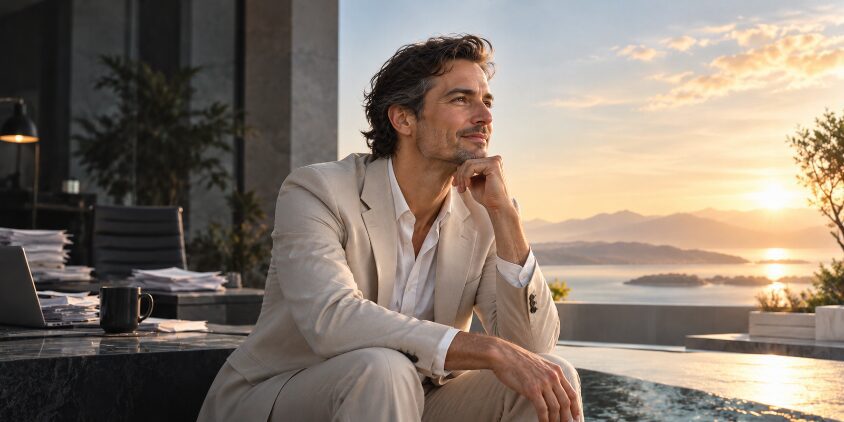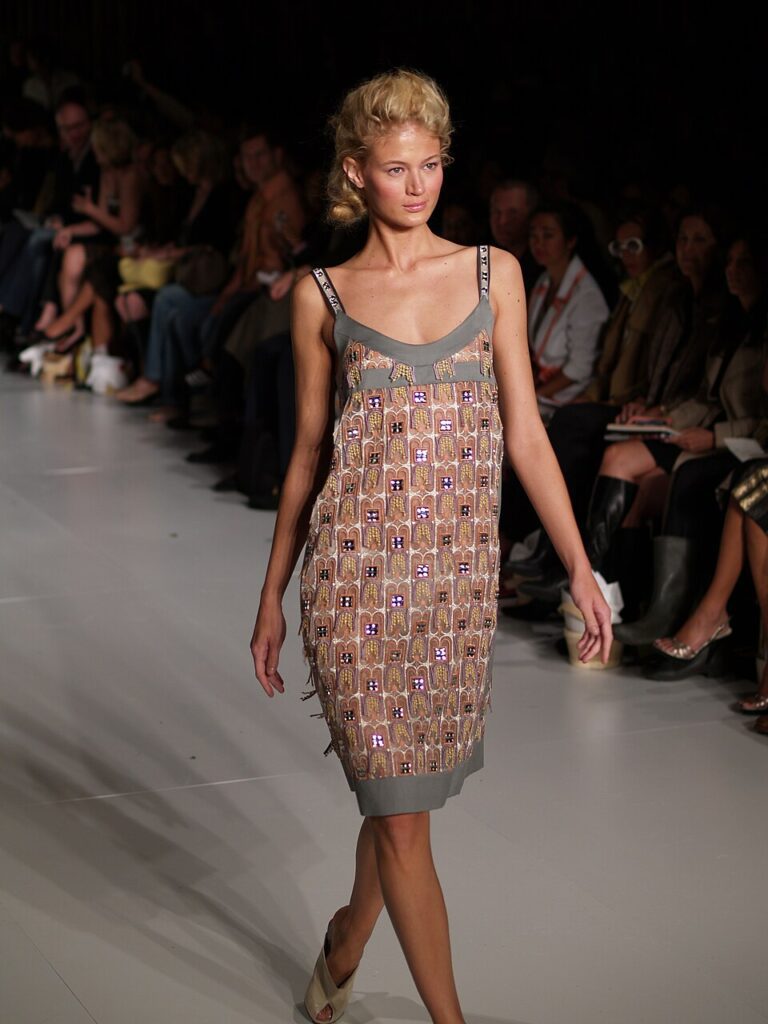
For decades, luxury was defined by formality, tailored suits, polished shoes, and a clear separation between work attire and leisure wear. That definition has shifted.
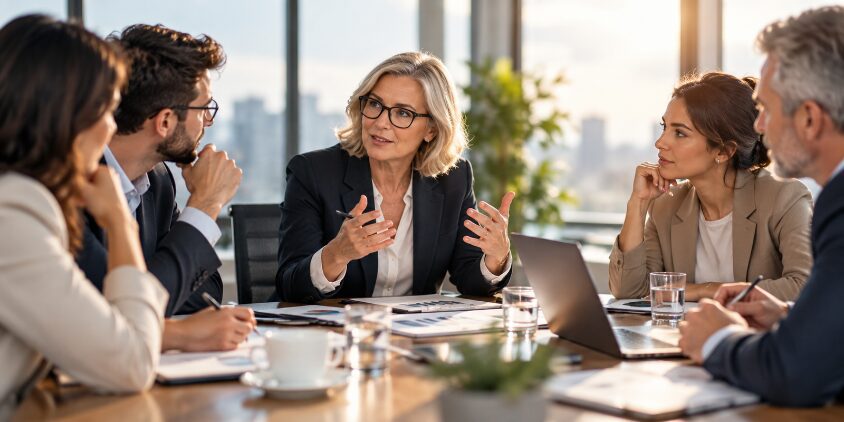
Today’s executives move between boardrooms, airport lounges, client dinners, and weekend escapes within the same 48-hour window, and their wardrobes, environments, and routines have adapted to match that pace.
Luxury aesthetics have not been left behind. Instead, they have evolved to meet the demands of people who need both substance and style without compromise.
Prioritizing Function Without Sacrificing Quality
Executives rarely have time to change outfits between obligations. This practical reality has pushed luxury toward clothing and accessories that perform well across settings. Premium brands now offer pieces made from technical fabrics, lightweight, breathable, and wrinkle-resistant, that hold their shape throughout a full day of travel and meetings.
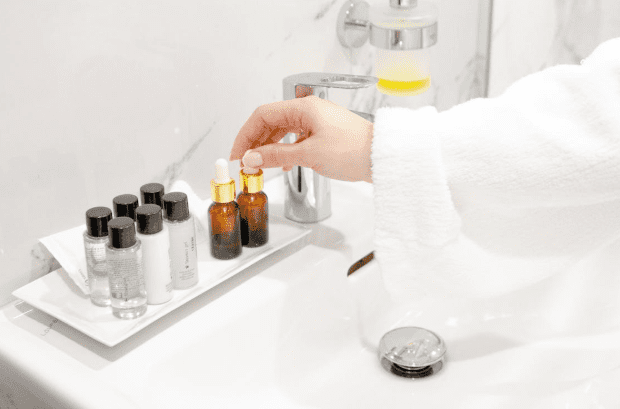
The same demand for quality and convenience extends beyond fashion. Executives increasingly turn to streamlined solutions for personal care as well — for example, those who buy Korean Botox online at Meamo do so because it offers a time-efficient way to access medical-grade skincare products without unnecessary clinic visits.
This is not a downgrade in quality. If anything, the engineering behind these materials is more complex than traditional luxury construction. The result is garments that look polished at 8 a.m. and remain the same at 8 p.m., exactly what a packed executive schedule requires.
Choosing Versatility Over Volume
One of the most visible changes in how executives approach luxury is a move toward fewer, more versatile pieces.
A well-constructed blazer that transitions from a morning presentation to an evening dinner is worth more than five single-purpose items. Luxury aesthetics now reward this kind of intentional dressing.
Capsule wardrobes built around neutral tones, clean silhouettes, and high-quality materials have become practical tools for time-pressed professionals.
Rather than spending mental energy on outfit decisions, executives can rely on a curated selection of pieces that work together across different contexts.
Integrating Wellness Into the Luxury Routine
Luxury and wellness have become closely linked in executive culture. Fitness, recovery, and mental clarity are no longer seen as separate from professional performance — they support it.
As a result, the products and environments executives invest in tend to reflect both priorities.
This plays out in several ways:
- Athleisure and elevated sportswear that moves from a morning workout to a casual meeting without a full change
- Luxury wellness memberships at facilities that prioritize both performance and comfort
- Travel accessories designed for long-haul flights that support rest and recovery
These choices are not about appearance alone. They reflect an understanding that sustained performance requires taking care of the body and mind, and that the right products make that easier.
Designing Environments That Support Focus
Luxury aesthetics extend beyond clothing into the spaces executives occupy. Home offices, hotel suites, and private workspaces increasingly reflect a minimalist, high-quality design philosophy — clean lines, natural materials, and an absence of clutter.
This is not purely aesthetic. A well-designed environment reduces distraction and supports focus, both of which are valuable to someone managing a demanding schedule. Luxury, in this context, means investing in spaces that work as hard as the people using them.
Traveling Smarter With Luxury Tools
Frequent travel is a constant for many executives, and luxury has responded with products built specifically for that lifestyle.
Premium luggage, noise-canceling audio equipment, and travel accessories designed for long-distance comfort are now standard in how high-income professionals approach their time in transit.
The expectation is simple: if you are going to spend significant time moving between cities and time zones, the tools you use should reduce friction, not add to it.
Luxury in this space means products that are reliable, well-designed, and built to last across thousands of miles of use.
Viewing Luxury as a Long-Term Investment
Executives tend to think in terms of return on investment, and many have applied the same logic to their spending on luxury goods.
A high-quality watch, a well-constructed leather bag, or a tailored coat purchased once and used for years represents better value than multiple lower-quality replacements.
In Summary
This shift in perspective aligns luxury spending with a broader philosophy of efficiency and intentionality — the same values that tend to define how successful professionals approach their work. Luxury aesthetics fit busy executive lifestyles not because they are indulgent, but because, when chosen well, they remove friction, support performance, and hold their value over time.