Table Of Contents
- What Career-Ready Beauty Training Looks Like
- Why Hands-On Practice Matters
- Technical Skills Students Need
- Communication And Guest Service
- Sanitation, Safety, And Standards
- Digital Tools And Portfolios
- Beauty Career Options
- Comparing Training Programs
- Planning For Education Costs
- Career Preparation Checklist
In Sterling Heights, Michigan, beauty careers are shaped by more than a strong eye for style. Professionals serving the Detroit metro area need technical consistency, thoughtful communication, safe service habits, and the confidence to work with people whose hair, skin, goals, and schedules vary from one appointment to the next. For students considering a cosmetology school near Detroit, hands-on learning can provide an important bridge between interest in beauty and the daily responsibilities of professional service.
Career-ready training helps students move beyond watching demonstrations. It gives them structured opportunities to practice, receive feedback, solve problems, and understand professional expectations. That kind of preparation matters in a community like Sterling Heights, where a diverse client base and fast-paced Detroit-area work environment can call for adaptability as well as creativity.
What Career-Ready Beauty Training Looks Like
Career readiness combines classroom theory with repeated service practice, sanitation knowledge, client consultation, time management, and basic business awareness. A student may understand color theory on paper, for example, but professional growth happens when that knowledge is used to choose products, manage timing, and explain realistic results to a guest. In 2026, students exploring short-term, career-focused education may also want to review the U.S. Department of Education’s Workforce Pell Grant information for current details about qualifying workforce programs and aid rules.
Why Hands-On Practice Matters
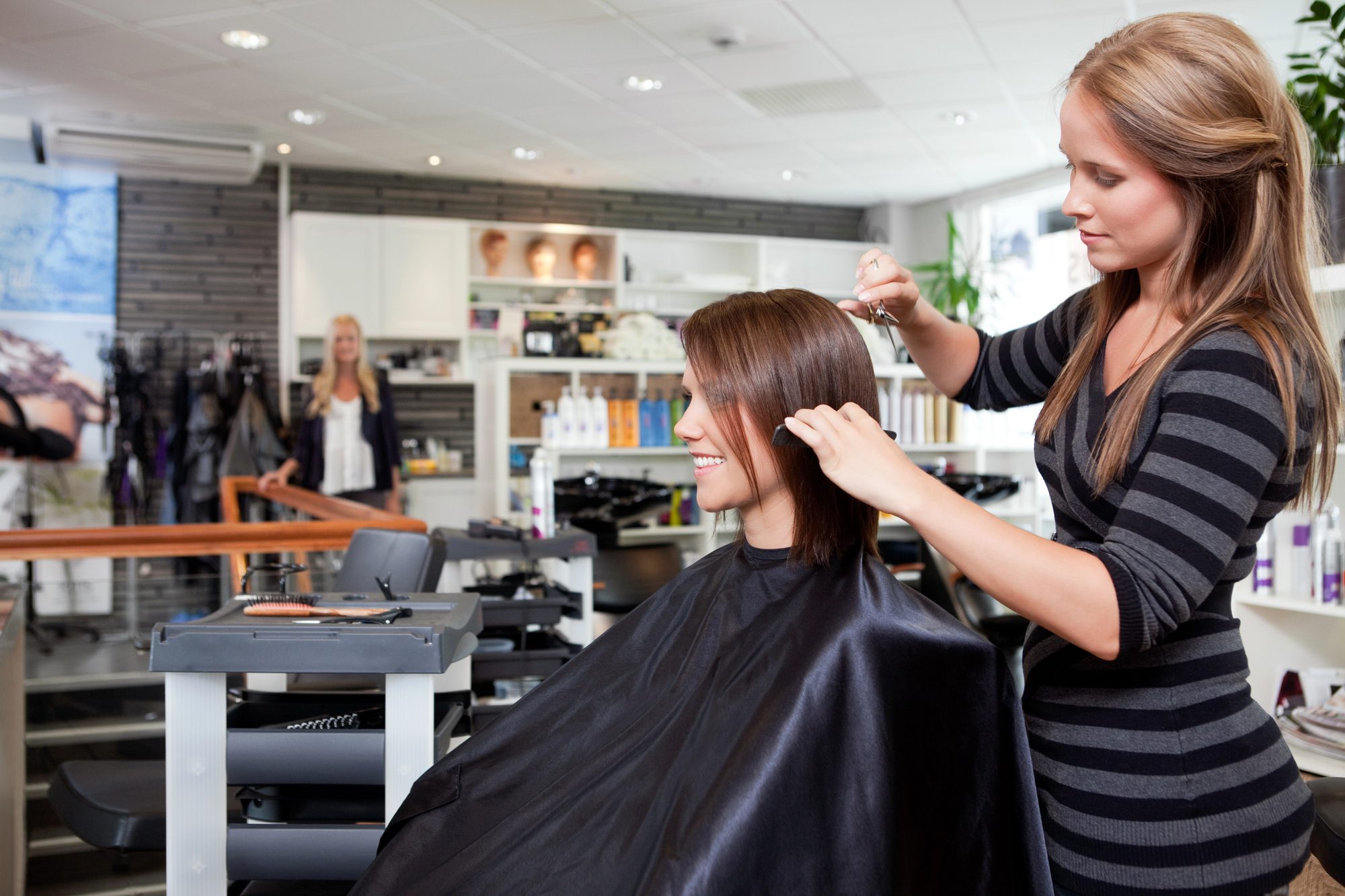
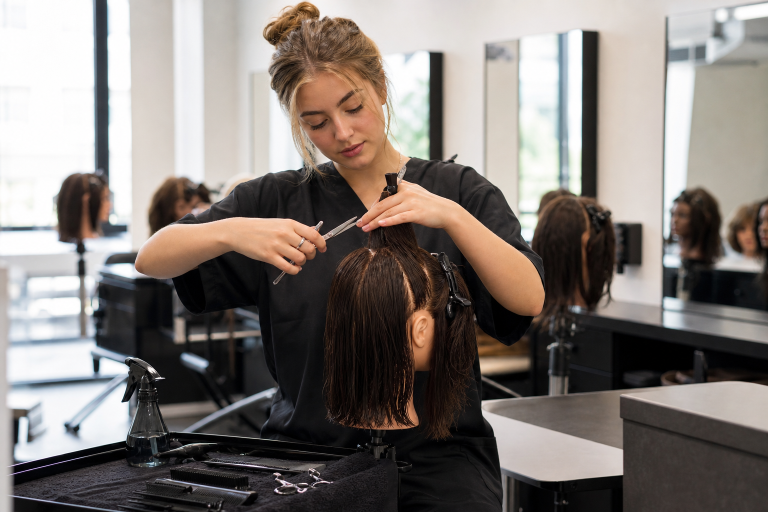
Practice builds the habits that make services safer, smoother, and more reliable. Mannequins can help students learn sectioning, product placement, braid patterns, and tool control. Supervised work with real guests adds another layer, because every head of hair, skin type, face shape, and consultation is different.
For instance, a haircut that looks balanced on a mannequin may require adjustment when a guest’s natural wave pattern changes the way the hair falls. A facial service may need a different product choice after a careful consultation reveals sensitivity or dryness. Learning to notice those details early, ask for instructor guidance, and correct a course safely helps students build confidence without assuming every service will go exactly as planned.
Technical Skills Students Need
Entry-level beauty professionals need a broad foundation before they begin specializing. Depending on the program and Michigan licensing scope, that may include haircutting, styling, blow-drying, finishing, color application, product selection, skincare fundamentals, makeup techniques, hair removal, nail care, and treatment aftercare.
Technical Skill Is Also Professional Judgment
Strong training teaches students how to organize a station, maintain tools, follow a service sequence, and manage appointment timing. It also develops consultation skills. A professional should be able to listen to a guest’s goal, assess what is practical, explain options, and recommend appropriate maintenance at home.
Communication And Guest Service
Beauty work is personal. Guests often arrive with excitement, uncertainty, or a past service they did not love. Listening closely can be just as important as handling shears or a makeup brush. Helpful questions about lifestyle, maintenance preferences, budget, inspiration photos, and timing can prevent misunderstandings before a service begins.
Clear communication also includes confirming pricing, explaining the process, setting realistic expectations, and offering home-care guidance without pressure. In salons, spas, studios, retail settings, and independent work across the Sterling Heights area, reliability, teamwork, calm problem-solving, and the ability to accept feedback can strengthen a new professional’s reputation.
Sanitation, Safety, And Professional Standards
Sanitation is not a final step after a service. It is a daily working system that includes hand hygiene, clean and properly disinfected tools, protected supplies, organized workspaces, safe product handling, and attention to client comfort. These habits help protect both guests and professionals.
Michigan regulates cosmetology practice and offers licensing guides, school information, and inspection resources through the Michigan Board of Cosmetology. Before enrolling, graduating, or offering services, students should confirm the current requirements that apply to their intended license type rather than relying on outdated advice.
Digital Tools And Portfolios
Videos, learning platforms, digital textbooks, and online demonstrations can make it easier to review techniques outside class. They are most useful when they reinforce, rather than replace, supervised practice. Students can also use scheduling tools, digital notes, and before-and-after photos to document improvement over time.
A simple digital portfolio can show haircutting, styling, color work, makeup, or skincare progress while helping students reflect on instructor feedback. Social media can be useful for trend research, but professionals should verify product claims and service guidance through credible educational and regulatory sources.
Beauty Career Options
Hands-on training can support several career paths, including salon hairstylist, color specialist, esthetician, makeup artist, nail professional, where permitted, beauty retail professional, product educator, brand representative, or freelance service provider. With experience and any required credentials, some professionals later move into mentorship, education, or small-business ownership.
Comparing Training Programs
When comparing Detroit-area training options, look beyond a program’s appearance or schedule. Review the curriculum for theory, demonstrations, practical work, safety, consultation, and licensing preparation. Ask when students begin supervised guest services, how instructors measure progress, and what support is available for tutoring, portfolios, career planning, and scheduling.
Also request a written estimate of tuition, fees, books, tools, supplies, transportation, and refund policies. A campus visit can reveal a great deal about cleanliness, equipment, class pace, and the learning atmosphere.
Planning For Education Costs
Education planning should distinguish among grants, scholarships, loans, payment plans, and savings. Compare the full cost of completing a program instead of focusing only on a monthly payment. Applying for available aid early and asking direct questions about kit costs, additional fees, and payment deadlines can make the decision more manageable.
A Simple Career Preparation Checklist
- Choose a beauty field that fits your interests and preferred work setting.
- Confirm current Michigan licensing requirements for that path.
- Compare at least three education options and their total costs.
- Ask about supervised practice, student support, and licensing preparation.
- Save examples of styles and services that inspire you.
- Build communication skills through customer service or volunteer experience.
- Create a portfolio with photos, notes, feedback, and completed services.
- Continue learning as products, tools, guest preferences, and local opportunities change.
Conclusion
For future beauty professionals in Sterling Heights and the wider Detroit metro area, career-ready preparation is practical, disciplined, and people-focused. Technical ability matters, but safety, communication, organization, and a willingness to keep learning are what help turn training into a durable professional foundation.
photo by depositphotos