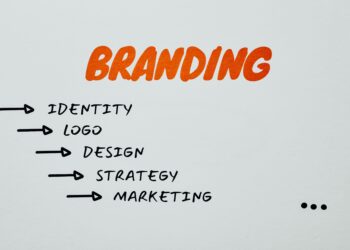
Understanding the influence of branding on consumer behavior is crucial for businesses aiming to maximize their market impact. Branding goes beyond mere logos and slogans; it encompasses a range of elements that evoke emotional responses and create perceptions in the consumer’s mind. By leveraging consumer psychology, emotional triggers, and psychological pricing, companies can shape purchasing decisions and foster brand loyalty.
In this article, we will delve into the intricate relationship between branding and consumer behavior, exploring key concepts that can empower businesses to enhance their branding strategies effectively.
Branding plays a pivotal role in influencing consumer psychology by creating associations that guide purchasing decisions. The perception of a brand is often rooted in the emotional and cognitive connections that consumers form with it. These connections are facilitated by a brand’s identity, values, and communication strategies.
Emotional Triggers in Branding
Emotional triggers are powerful tools in branding that can significantly impact consumer behavior. They tap into the human psyche, eliciting feelings such as happiness, nostalgia, or even fear, which can drive consumers to engage with a brand. For instance, a brand that evokes a sense of nostalgia may appeal to consumers seeking comfort and familiarity, while one that instills fear may prompt urgency in purchasing decisions.
The Role of Brand Identity
A brand’s identity serves as its unique fingerprint in the market. It comprises elements such as logos, color schemes, and messaging that collectively convey the brand’s personality and values. A strong brand identity fosters recognition and trust, making it easier for consumers to recall and choose a brand over competitors.
Emotional Triggers: Driving Consumer Decisions
Emotional branding is a strategy that leverages feelings and experiences to create a deep connection between the consumer and the brand. By understanding emotional triggers, companies can craft marketing campaigns that resonate on a personal level, influencing consumer preferences and behaviors.
Happiness and Positivity
Brands that associate themselves with happiness and positivity are more likely to create favorable consumer attitudes. Advertisements that feature joyful imagery, uplifting music, and positive messages can enhance the perceived value of a product, encouraging consumers to make a purchase.
Fear and Urgency
Conversely, invoking fear can be a powerful motivator for consumer action. This approach is often used in industries like insurance or health products, where the consequences of inaction are highlighted. By creating a sense of urgency, brands can prompt consumers to act quickly to avoid negative outcomes.

Psychological Pricing: A Strategic Tool
Psychological pricing is a technique that utilizes the consumer’s perception of value to influence purchasing decisions. This approach leverages pricing strategies that make products seem more affordable or desirable, thereby enhancing sales.
Charm Pricing
Charm pricing involves setting prices just below a round number, such as $9.99 instead of $10. This strategy exploits the consumer’s tendency to perceive the price as significantly lower, even though the difference is minimal. By creating an illusion of a deal, charm pricing can boost sales volume.
Price Anchoring
Price anchoring is another psychological pricing tactic where an initial price is set high to make subsequent prices appear more reasonable. For example, a high-priced item may be placed alongside a more affordable option, leading consumers to perceive the latter as a better deal.
Building Brand Loyalty Through Strategic Branding
Brand loyalty is the ultimate goal of effective branding. By fostering strong emotional connections and delivering consistent value, companies can cultivate a loyal customer base that repeatedly chooses their products over competitors.
Consistency in Brand Messaging
Consistency in brand messaging is key to building trust and recognition. When consumers encounter a brand that consistently delivers on its promises and maintains a coherent identity, they are more likely to develop a sense of loyalty.
Leveraging Consumer Feedback
Incorporating consumer feedback into branding strategies can enhance customer satisfaction and loyalty. By listening to consumer needs and preferences, brands can adapt their offerings and communication to better align with their target audience.
Conclusion
In the dynamic landscape of modern commerce, understanding how branding influences consumer behavior is essential for businesses seeking to thrive. By harnessing consumer psychology, emotional triggers, and psychological pricing, companies can create powerful brand identities that resonate with their audience.
Strategic branding not only drives consumer decisions but also builds lasting brand loyalty. As businesses continue to navigate the complexities of global markets, leveraging these insights will be crucial in gaining a competitive edge and achieving long-term success.