Image source
In the contemporary data-driven world, it is impossible to build marketing strategies intuitively. On the contrary, companies need a variety of different data sources and tools to make informed business decisions. Social media remains one of the most promising areas of data analysis for many organizations since the information shared there is very valuable. It represents customers’ views, attitudes, and behaviors and, therefore, can become a source of competitive advantage. Effective marketing leadership involves learning to extract useful insights and implement data-driven marketing strategies.
Social media business intelligence (SMBI) refers to the use of analytical methods for extracting meaningful insights from data provided by different social media platforms. With the help of SMBI, marketing leaders and managers can collect, analyze, and interpret the information obtained and base their decisions upon it. In other words, SMBI is one of the means through which marketers can learn about their customers’ preferences, market dynamics, and competition trends.
What Is Social Media Business Intelligence?
In simple terms, social media business intelligence is the use of social data to make strategic decisions. However, it is important to understand that there is more to it than just measuring metrics related to social performance. It requires digging into huge amounts of social data to discover patterns, identify opportunities, and forecast various processes. Unlike other forms of data available for marketing analysis, social data is always genuine.
With the use of SMBI, marketing leaders are capable of:
- Gaining understanding of customers’ needs and attitudes;
- Monitoring performance of competing companies;
- Discovering emerging market trends;
- Aligning their marketing activities with the rest of the business;
The value of SMBI lies in its ability to give access to customer insights in real time.
Key Components of Social Media Business Intelligence
As stated earlier, turning social data into business insights requires a few critical elements, namely social media data collection, analysis, and presentation.
Social Media Data Collection
Social media data is collected from various sources using different methods. For example, companies can use native dashboards to gather performance metrics from platforms like Instagram, Facebook, Twitter, and TikTok. However, tracking everything manually can be challenging. That’s why marketing leaders rely on advanced social media analytics tools and monitoring systems to automate data collection and gain actionable insights.
Using such tools, marketing teams get the possibility to:
- Monitor their social performance;
- Track brand mentions;
- Analyze customers’ reactions to certain products or campaigns.
Data Analysis
Collection of the information is an important step in the process of SMBI; however, it would not mean anything without proper analysis. Data is the material from which marketing insights should be formed.
Sentiment analysis is one of the most common techniques applied when performing SMBI. This method is based on natural language processing and allows for determining whether customers’ communications are positive, negative, or neutral. Sentiment analysis gives a good opportunity to learn what people think about the company and its products.
Moreover, companies can use SMBI to understand whether their customers interact more with a particular type of content and what moments are the best ones for reaching out. For instance, when marketing VoIP services, a company will see that educational materials are discussed much more frequently than commercial posts. Also, they will be able to define the periods of time when engagement reaches its peak level.
Data Visualization
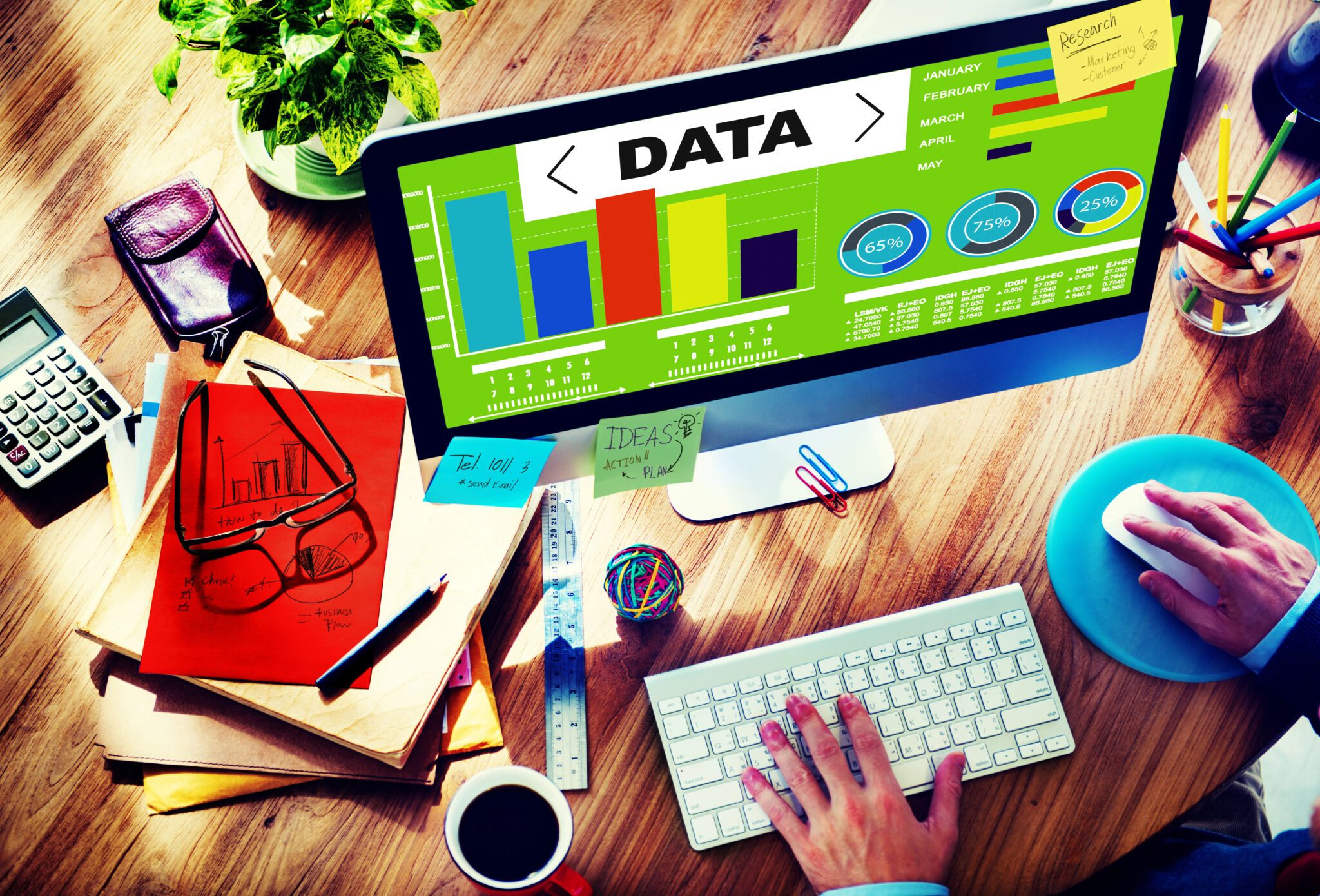
Data analysis yields numerous insights that are extremely useful for the company; however, not all of them can be easily understood. To make the results available to everyone involved in a discussion, it is necessary to present them visually.
The use of special visualization tools will help marketing teams to:
- Present results in visual form;
- Create a dashboard for monitoring data regularly.
- Make charts and graphs.
Visualization simplifies decision-making by ensuring that insights can be easily recognized even by those who are not familiar with business analytics.
Using Social Data to Gain Competitive Advantage
Business intelligence does not necessarily involve creating innovative solutions for managing large-scale processes and systems. Instead, it implies analyzing existing information and making reasonable conclusions based on one’s findings. Marketing leaders can utilize their SMBI skills to create a strategic advantage for their companies by implementing data into the decision-making process.
Getting to Know Your Market Better
Gathering market intelligence is very important because it allows staying informed regarding changing circumstances. In the modern world, businesses should react quickly when any changes happen since it affects their performance greatly. With the help of SMBI, companies can receive valuable information about the situation on the market and use it strategically.
Engaging Customers
Modern customers require prompt responses to their questions and requests. Companies cannot afford to ignore customer comments on the Internet and social media sites; otherwise, they risk losing a lot of money. By using SMBI, it becomes possible to interact with people more efficiently and provide them with timely and high-quality assistance.
Creating New Products and Innovations
Social data can serve as a basis for product development if it is analyzed properly. It can provide insights into various aspects of customer preferences and needs, so it is highly recommended to take advantage of that opportunity. Moreover, SMBI helps identify certain gaps in the market and understand if there is room for innovation.
Improving Perception
It is always necessary to pay attention to how people perceive a brand because this aspect has a great influence on its future success. With SMBI, marketing leaders will be able to analyze public sentiment regarding their company and make appropriate changes in case something goes wrong.
Managing Crises
Crises can have unpredictable consequences; that is why it is vital to detect them as early as possible and address the problem before it causes too much damage. Social media monitoring tools are helpful in this respect because they allow discovering unusual changes in social performance.
Optimizing Performance
Marketing leaders are expected to manage campaigns of different companies effectively to achieve good results. SMBI can be a useful tool here since it helps track performance, discover trends, and analyze engagement.
Benchmarking Competitors
Another useful application of SMBI in marketing is benchmarking competitors. This activity requires constant observation to see how the opponent develops and how they perform compared to each other. SMBI makes this process easier and facilitates decision-making greatly.
Conclusion
Social media is one of the most promising sources of useful information for building business strategies. Marketing leaders can use social media business intelligence to gain insights into customer preferences and market trends. The described elements will help turn raw data into something valuable.