The days of relying solely on manual chart watching are fading as more serious traders move toward digital systems built on rules rather than emotion. Rather than reacting to every market move, these tools focus on logic, structure and repeatable processes. That means each market entry can be based on tested conditions instead of guesswork.
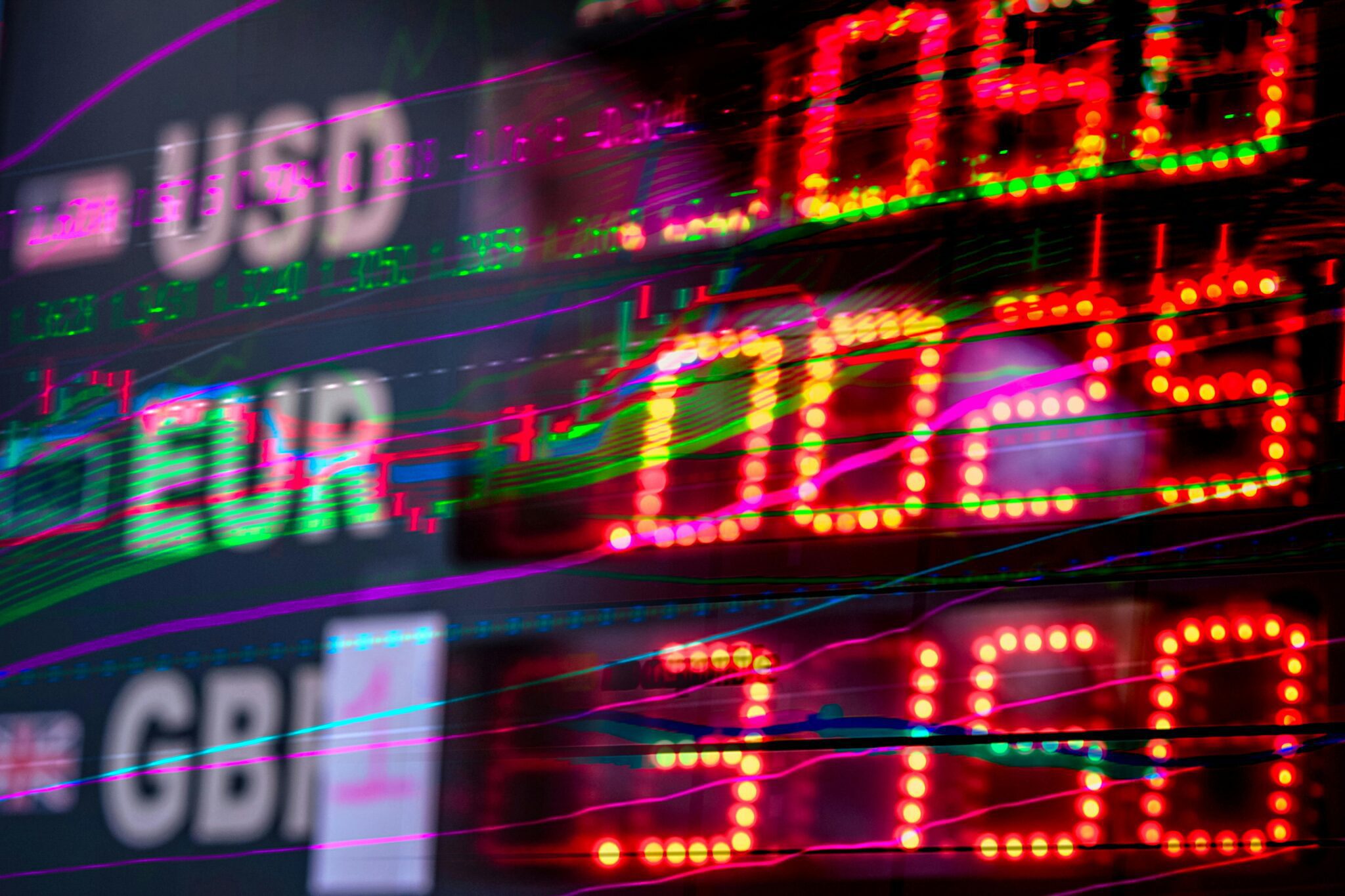
The foreign exchange market generates vast amounts of data every second, making it unrealistic for one person to track every movement in global currency pairs. Using an automated system enables continuous monitoring of these patterns, helping execution remain disciplined and consistent even during periods of sharp volatility.
Precision Through Systematic Execution
True data-driven trading depends on the ability to process both historical and live information accurately. Unlike manual methods, a digital system can scan multiple timeframes simultaneously to identify higher-probability setups that meet defined risk-to-reward criteria. That level of speed and consistency matters in a market where milliseconds can affect results.
Trading without a clear framework often leads to hesitation, overtrading or excessive leverage, all of which can damage long-term capital preservation. An algorithmic forex trading bot reduces the influence of fear and greed by following coded rules exactly as designed.
This helps ensure each trade reflects a tested strategy rather than a reaction to short-term price spikes.
Enhancing Risk Management Protocols
Trading success is not just about identifying the right points of entry. It also involves ensuring safety from any unknown variables or factors. With modern trading platforms, there may be automated risk controls in which the size of each trade depends on both the trader’s account equity and market volatility.
Such an approach tends to minimize losses that would otherwise occur due to either mistakes or emotions in such moments.
By implementing an algorithmic forex trading bot, a trader can leverage a more effective strategy with advanced risk management techniques. As a data-driven system, it can ensure a position’s exit if a trade setup changes, thereby minimizing further potential losses. It will also help avoid hesitation when prompt action is needed.
A few benefits that can result are listed below:
- Elimination of errors in times of fast actions
- Backtesting strategies using many years’ worth of past data
- Operation around-the-clock and without the need for rest
- Application of portfolio diversification guidelines consistently
- Improved discipline during turbulent times in the market
The Role of Backtesting in Strategy Validation
Before real money is placed at risk, many traders want proof that an idea has merit. Backtesting makes that possible by showing how a strategy might have performed during previous market conditions, including interest rate changes or geopolitical uncertainty.
This process can turn a theory into something measurable while exposing weaknesses such as large drawdowns or unstable returns.
Using evidence instead of instinct creates a stronger decision-making framework. If data show that a moving-average crossover or support level has performed well historically, traders can weigh that information more confidently. This shift from guessing to measuring is a defining feature of a professional mindset.
Backtesting also allows ongoing refinement of entry and exit settings. By removing strategies that appear strong only in theory, traders can focus on approaches grounded in statistical probability rather than emotion.
Real-Time Analytics and Adaptation
The global economy changes constantly and currency prices reflect shifts in trade flows, central bank policy and investor sentiment. Advanced systems monitor these developments in real time, filtering background noise to focus on meaningful price action. That can provide a clearer view of liquidity and momentum, two major forces in currency markets.
By processing economic indicators and incoming data quickly, these systems may pause or adjust strategies during high-impact events. This flexibility helps keep a trading plan relevant when market conditions suddenly change. Balancing technical rules with awareness of broader fundamentals remains important in modern forex trading.
Scalability in Modern Portfolio Management
As more capital is deployed, execution becomes more complex. Digital systems can help manage multiple accounts or baskets of currencies without creating the same increase in manual workload. That efficiency allows traders and managers to focus more on broader strategy and allocation decisions rather than on individual entries throughout the day.
In fast-moving markets, the ability to apply the same model across several portfolios can support growth without sacrificing consistency. Without structured systems, manual oversight can lead to delays, missed opportunities or avoidable execution mistakes.
A Structured Shift in Trading
The trend towards automation, therefore, represents a change in mindset regarding trading itself. By emphasizing data over emotion, such programs create a more controlled space in which to work.
This also means they may reduce the stresses that come with trading in shifting market environments, particularly those marked by increasing volatility and emotions influencing human decision-making.
Ultimately, success in trading depends on having a strong system and strategy, as well as executing them well. When applied in moderation, today’s technological advancements can help transform data into a scalable edge.