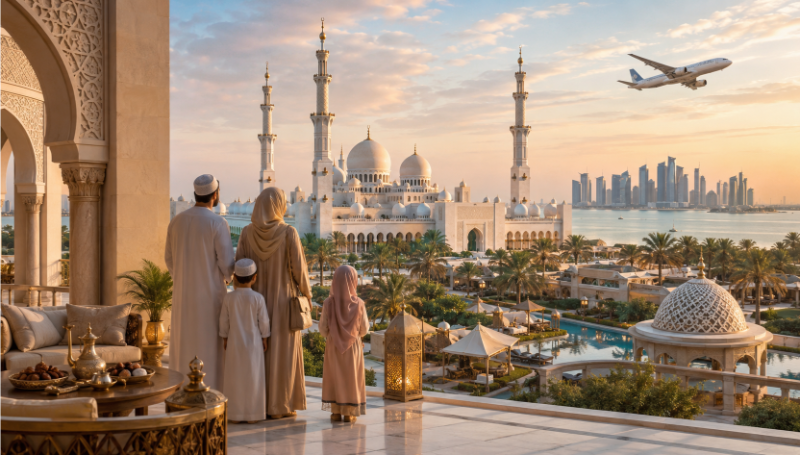
Halal tourism 2026 has emerged as one of the most significant developments in the global travel industry. Once considered a niche segment, Muslim-focused travel has evolved into a powerful economic force influencing destination development, hospitality standards, technology adoption, and tourism policy worldwide. As international travel rebounds and diversifies, the halal travel market continues to expand at a pace that outperforms many traditional tourism categories.
According to industry research from Mastercard and CrescentRating, Muslim international travel arrivals reached approximately 186 million in 2025 and are projected to grow to around 245 million by 2030. This rapid expansion reflects not only demographic growth but also changing traveler expectations. Modern Muslim travelers increasingly seek experiences that combine faith alignment, convenience, luxury, and cultural authenticity.
Meanwhile, destinations and hospitality brands are responding by investing heavily in Muslim-friendly tourism infrastructure. From halal-certified dining and prayer facilities to family-oriented resorts and alcohol-free hospitality concepts, the Islamic tourism industry is becoming more sophisticated and globally integrated. At the same time, digital innovation is reshaping how travelers discover, evaluate, and book halal-compliant experiences.
As a result, halal travel trends 2026 reveal a broader transformation within tourism itself—one focused on inclusivity, trust, wellness, and personalized experiences. Consequently, halal tourism is no longer simply about religious accommodation; it is increasingly shaping the future of international travel.
Why Halal Tourism Is Growing Faster Than Any Other Travel Segment?
Several structural factors explain why halal tourism is expanding faster than many other travel categories. First, the global Muslim population continues to grow, creating a larger base of travelers with increasing spending power and greater international mobility. Moreover, rising middle-class wealth across Asia, the Middle East, and parts of Africa is generating new demand for premium travel experiences.
At the same time, travelers are becoming more values-driven in their purchasing decisions. Many Muslim travelers prioritize destinations that offer halal food, prayer facilities, family-friendly environments, and culturally respectful services. Therefore, tourism providers that address these needs gain a significant competitive advantage.
Digital transformation has further accelerated growth. Travelers can now verify halal services, compare accommodations, read reviews, and create customized itineraries with greater confidence than ever before. Consequently, booking barriers that once limited Muslim travel have been substantially reduced.
Key growth drivers include:
- Expanding global Muslim population
- Increasing disposable income among Muslim consumers
- Wider availability of halal-certified services
- Strong demand for family-focused travel experiences
- Growth of digital Muslim travel platforms
- Rising interest in faith-based travel experiences
Moreover, the growing visibility of Muslim travelers within global tourism has encouraged destinations to invest more actively in specialized infrastructure and marketing.
The Scale of the Global Halal Travel Market in 2026
The scale of the global Muslim travel market highlights why analysts increasingly view halal tourism as a major economic sector rather than a niche category. Industry estimates indicate that Muslim international arrivals reached approximately 186 million travelers in 2025. Furthermore, forecasts suggest this figure could rise to 245 million by 2030.
This growth represents billions of dollars in annual tourism spending. Additionally, halal tourism forms part of the broader global halal economy, which spans sectors such as food, finance, fashion, pharmaceuticals, and lifestyle services worth more than $2 trillion worldwide.
The economic implications extend beyond tourism revenue alone. Airlines, hotels, tour operators, technology providers, and destination management organizations all benefit from expanding Muslim travel demand. As a result, many governments now include Muslim-friendly tourism development within their national tourism strategies.
Key Drivers Behind Halal Tourism Growth
| Segment | Growth Driver | Market Impact | Traveler Preference |
|---|---|---|---|
| Hospitality | Halal-certified services | Increased hotel investment | Trust and convenience |
| Aviation | Expanded route networks | Higher international mobility | Direct connectivity |
| Digital Travel | AI booking platforms | Faster trip planning | Personalization |
| Luxury Travel | Premium halal resorts | Higher traveler spending | Privacy and exclusivity |
| Family Tourism | Multi-generational travel | Longer stays | Family comfort |
Consequently, the halal travel market has become one of the fastest-growing segments within international tourism and hospitality.
Luxury Halal Tourism and the Rise of Premium Travel
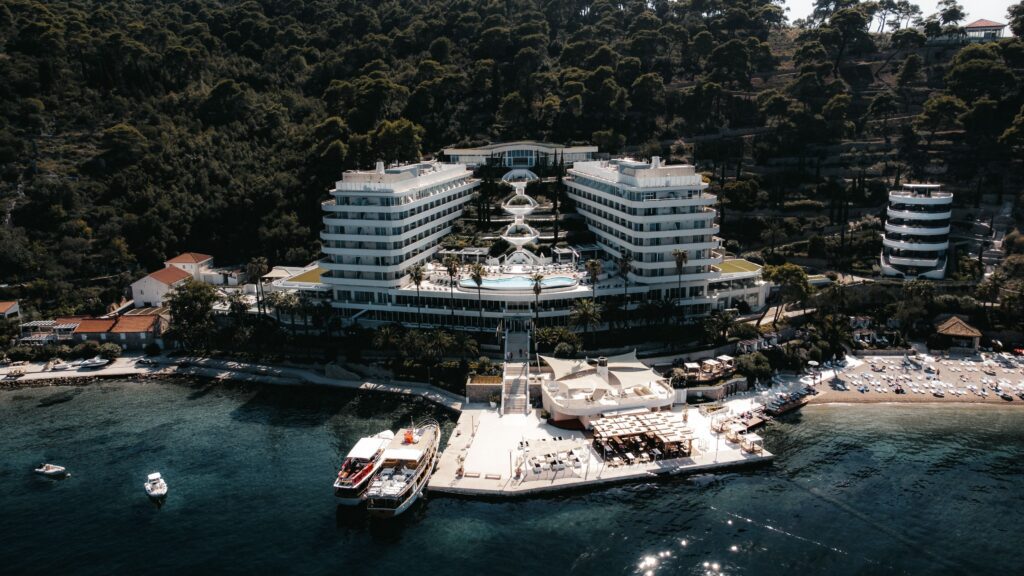
One of the most notable developments in halal tourism 2026 is the rapid expansion of luxury halal tourism. Affluent Muslim travelers increasingly seek premium experiences that combine faith-conscious services with world-class hospitality standards.
Luxury resorts in destinations such as the UAE, Türkiye, Qatar, and Malaysia now offer private villas, halal-certified gourmet dining, dedicated wellness facilities, and exclusive family-oriented amenities. Moreover, many luxury operators have recognized that privacy and personalization are key factors influencing Muslim travel decisions.
Alcohol-free hospitality is another emerging trend. Rather than positioning themselves solely around religious requirements, many luxury properties emphasize wellness, tranquility, and family-friendly environments. Consequently, these offerings appeal to a broader audience beyond Muslim travelers.
Growing premium travel preferences include:
- Private beachfront villas
- Women-only wellness facilities
- Family-focused luxury resorts
- Halal fine dining experiences
- Personalized concierge services
Meanwhile, wellness tourism and luxury halal hospitality increasingly overlap, creating new opportunities for resorts seeking differentiated market positioning.
Read also: Luxury Resorts Where Alcohol Is Never Served
Technology and AI Transforming Halal Tourism 2026
Technology is fundamentally reshaping how Muslim travelers plan and experience their journeys. AI-powered travel platforms now provide sophisticated tools that simplify the discovery of halal-compliant accommodations, restaurants, attractions, and transportation options.
Previously, travelers often relied on fragmented information sources. However, modern booking ecosystems integrate halal certification data, traveler reviews, prayer facility locations, and destination-specific guidance into a single digital experience.
AI is transforming halal travel through:
- Personalized itinerary generation
- Smart halal hotel recommendations
- Automated travel assistance
- Digital trust verification systems
- Real-time translation and navigation tools
Additionally, predictive analytics help travel providers better understand traveler behavior and preferences. As a result, tourism businesses can deliver more relevant and customized experiences.
The growing adoption of AI reflects one of the most important halal travel trends 2026, demonstrating how technology is reducing friction and increasing traveler confidence.
Top Halal Tourism Destinations in 2026
Several destinations have emerged as global leaders in Muslim-friendly tourism due to their combination of infrastructure, hospitality investment, accessibility, and cultural alignment.
Türkiye
Türkiye continues to attract Muslim travelers through its blend of luxury resorts, Islamic heritage, and family-friendly coastal destinations. Antalya and Istanbul remain particularly popular due to their extensive halal hospitality offerings.
United Arab Emirates
Dubai has strengthened its position as a leading luxury halal tourism destination. Moreover, the emirate combines premium accommodations, world-class shopping, family attractions, and extensive halal dining options.
Qatar
Following significant tourism investments in recent years, Doha has become an increasingly important hub for luxury Muslim travel. Consequently, Qatar continues attracting high-spending international visitors seeking premium experiences.
Malaysia
Malaysia remains one of the most established leaders in Muslim-friendly tourism. Its comprehensive halal ecosystem, strong hospitality standards, and cultural diversity consistently earn global recognition.
Indonesia
Indonesia benefits from a large domestic Muslim tourism market and growing international appeal. Meanwhile, destinations across the archipelago emphasize family travel, cultural experiences, and sustainable tourism development.
Factors driving destination success include:
- Strong halal certification systems
- High-quality hospitality infrastructure
- Cultural accessibility
- Family-oriented attractions
- Government tourism support
Changing Traveler Behavior in Muslim Tourism
Muslim traveler preferences are evolving rapidly. While halal food and prayer facilities remain important, travelers increasingly seek meaningful experiences that align with broader lifestyle goals.
Purpose-driven travel is becoming more influential. Many travelers now prioritize wellness, cultural enrichment, sustainability, and authentic local engagement. Therefore, destinations offering immersive experiences often gain a competitive advantage.
Additionally, the slow travel movement is influencing Muslim tourism. Rather than visiting multiple locations in a short period, travelers increasingly prefer deeper engagement with fewer destinations. As a result, longer stays and experiential travel products are becoming more common.
Emerging behavioral shifts include:
- Greater interest in wellness tourism
- Increased focus on cultural immersion
- Family-first travel planning
- Demand for authentic local experiences
- Preference for sustainable tourism options
Furthermore, younger travelers are increasingly blending religious values with lifestyle aspirations, creating new opportunities for tourism innovation.
Emerging Muslim Travel Trends
| Trend | Description | Impact on Tourism | Future Outlook |
| Wellness Travel | Health and spirituality focus | New hospitality products | Strong growth |
| Slow Travel | Longer stays, deeper experiences | Higher local spending | Expanding |
| AI Planning | Personalized travel support | Greater efficiency | Rapid adoption |
| Luxury Halal Tourism | Premium faith-aligned experiences | Higher spending per trip | Accelerating |
| Sustainable Travel | Environmentally conscious tourism | Responsible development | Long-term growth |
Challenges Facing the Halal Tourism Industry
Despite impressive growth, several challenges continue to shape the development of the Islamic tourism industry.
One major issue involves the standardization of halal certification. Different countries and organizations often apply varying criteria, which can create confusion for travelers and businesses alike. Consequently, trust and consistency remain important industry priorities.
Misinformation also presents challenges. Some travel listings market themselves as halal-friendly without meeting traveler expectations regarding food, facilities, or services. Therefore, verification mechanisms and certification transparency are becoming increasingly important.
Additional industry challenges include:
- Inconsistent certification standards
- Infrastructure gaps in some destinations
- Premium pricing within luxury halal tourism
- Limited awareness among non-Muslim operators
- Balancing tradition with modern hospitality trends
Nevertheless, industry stakeholders continue working toward solutions that improve transparency, quality, and global accessibility.
Future of Halal Tourism Beyond 2026
The future outlook for halal tourism remains exceptionally strong. Demographic growth, technological innovation, and increasing hospitality investment all support continued expansion.
AI-powered travel ecosystems are expected to become more sophisticated. Travelers may soon receive highly personalized recommendations based on dietary preferences, prayer schedules, family composition, and travel history. Consequently, planning and booking processes will become even more seamless.
Meanwhile, non-OIC destinations are actively pursuing Muslim traveler markets. Countries across Europe, East Asia, and North America increasingly recognize the economic potential of Muslim travel growth and are adapting their tourism offerings accordingly.
Future developments are likely to include:
- AI-driven travel personalization
- Expansion into emerging destinations
- Greater sustainability integration
- Growth of Muslim-friendly global hotel brands
- Increased experiential Islamic travel offerings
As a result, halal tourism will likely influence broader hospitality standards across the global travel industry.
Unique Insight: Why Halal Tourism 2026 Is Reshaping Global Travel
The most important insight surrounding halal tourism 2026 is that its success reflects larger shifts occurring throughout international tourism.
First, halal tourism aligns closely with global wellness trends. Many travelers increasingly value alcohol-free environments, healthier lifestyles, privacy, and meaningful experiences. Therefore, services originally designed for Muslim travelers often appeal to wider audiences as well.
Second, the sector combines luxury, cultural authenticity, and ethical travel principles in a way that resonates with contemporary consumer expectations. Moreover, digital transformation has made halal travel more accessible than ever before.
Third, demographic trends continue strengthening market demand. The growing global Muslim travel market represents one of the most influential consumer segments in international tourism. Consequently, hospitality providers worldwide are adapting their products and services to meet evolving expectations.
Ultimately, halal tourism is becoming a blueprint for inclusive travel design. Rather than serving a narrow audience, it demonstrates how hospitality can successfully integrate cultural sensitivity, personalization, wellness, and premium experiences within a single framework.
Conclusion
The rise of halal tourism 2026 represents far more than the growth of a specialized travel niche. It reflects a fundamental transformation in how travelers evaluate destinations, hospitality experiences, and travel value.
Driven by expanding Muslim travel demand, technological innovation, luxury hospitality development, and evolving traveler expectations, the halal travel market continues setting new benchmarks for growth. Moreover, destinations that prioritize inclusivity, trust, and cultural alignment are increasingly positioned to benefit from this momentum.
As Muslim international arrivals move toward the projected 245 million mark by 2030, the influence of Muslim-friendly tourism will continue expanding across the global travel ecosystem. Consequently, the future of travel may be shaped not only by where people go, but by how effectively destinations deliver meaningful, culturally aligned, and experience-driven journeys.
Frequently Asked Questions
What is halal tourism 2026?
Halal tourism 2026 refers to travel experiences designed to accommodate Muslim travelers through halal food, prayer facilities, family-friendly environments, culturally respectful services, and faith-conscious hospitality offerings.
Why is halal tourism growing so fast?
Growth is driven by rising Muslim travel demand, increasing disposable income, digital travel innovation, expanding halal-friendly hotels, and stronger global tourism investment.
Which countries lead halal tourism?
Malaysia, Türkiye, the UAE, Qatar, and Indonesia are among the leading destinations due to their advanced Muslim-friendly tourism infrastructure.
What are halal-friendly hotels?
Halal-friendly hotels typically provide halal-certified dining, prayer facilities, family-oriented services, and environments aligned with Muslim traveler preferences.
Is halal tourism only for Muslims?
No. Many halal tourism offerings, such as alcohol-free hospitality, wellness experiences, family-friendly facilities, and privacy-focused accommodations, appeal to diverse traveler groups.
How big is the halal travel market?
The global Muslim travel market includes approximately 186 million international arrivals as of 2025 and is projected to reach around 245 million by 2030.
What is luxury halal tourism?
Luxury halal tourism combines premium hospitality with faith-conscious services, including private villas, halal fine dining, wellness facilities, and personalized experiences.
How is AI changing halal travel?
AI improves trip planning through personalized recommendations, halal hotel discovery, itinerary generation, trust verification, and real-time travel assistance.
What are the best halal travel destinations?
Top destinations include Dubai, Istanbul, Antalya, Doha, Kuala Lumpur, and several Indonesian tourism regions known for strong halal hospitality ecosystems.
Will halal tourism continue growing after 2026?
Yes. Demographic expansion, technology adoption, luxury hospitality investment, and increasing global demand suggest continued long-term growth.