AES has secured the final regulatory approval required before its planned acquisition by a consortium led by Global Infrastructure Partners and EQT Infrastructure VI, bringing the $33.4 billion energy transaction closer to completion.
In a November 17 announcement, AES said the Federal Energy Regulatory Commission had issued its final order approving the acquisition. The company expects to close on December 2, 2026, subject to the satisfaction or waiver of remaining closing conditions.
Global Infrastructure Partners is part of BlackRock. California Public Employees’ Retirement System and Qatar Investment Authority are co-underwriters alongside the two lead investors. AES shares are expected to leave the New York Stock Exchange when the acquisition closes.

What the $33.4 billion figure includes
Under the agreement announced in March, shareholders will receive $15 per share in cash. The equity purchase is valued at approximately $10.7 billion; the larger enterprise value includes existing debt.
AES presented the transaction as a way to finance substantial growth investment beyond 2027. At announcement, the company said remaining independent would likely require a dividend reduction or elimination, significant new equity issuance, or some combination of those measures.
In its transaction presentation, AES said the consortium would fund the purchase price entirely with equity, with no financing contingency and no incremental debt issued as a result of the acquisition. The consortium indicated that it intended to preserve AES’ capital structure and investment-grade credit profile.
Private ownership, continuing oversight
AES’ regulated businesses, including AES Indiana and AES Ohio, will remain subject to regulatory oversight after closing. In its third-quarter filing, AES disclosed that the Ohio Consumers’ Counsel had sought rehearing of Ohio’s approval, arguing for credit-rating maintenance and financial ring-fencing requirements. The filing said the approval order remained operative.
For family offices assessing infrastructure exposure, the transaction highlights the difference between the cost of acquiring equity and the capital required to expand an energy business.
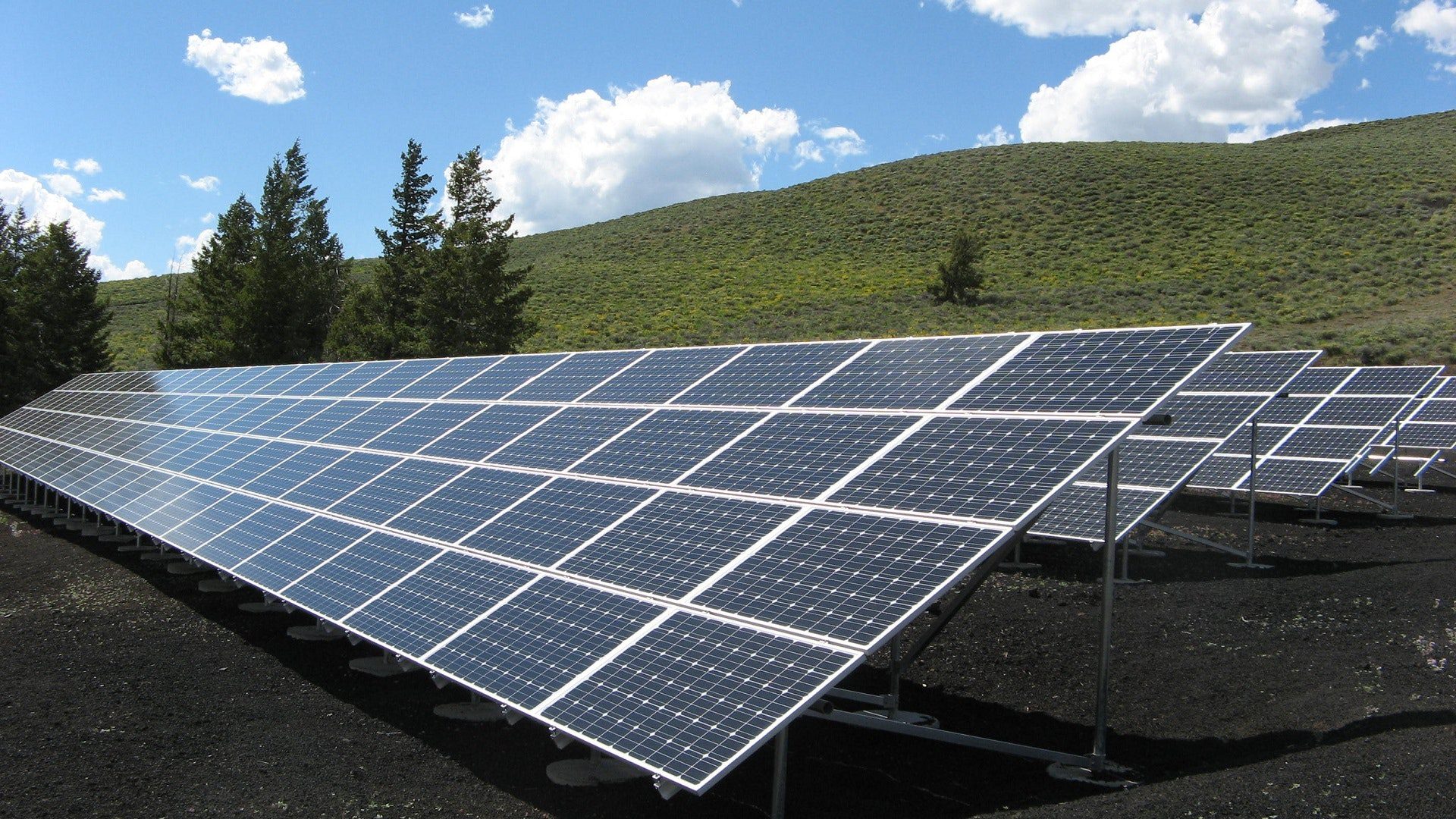
Featured image: Solar panels, shown for context. Photo: skeeze / Wikimedia Commons (CC0).