Updated posts August 2026
Metal Detectorists Uncover Wales’ First-Ever Hoard of Iron Age Gold Coins
In a historic discovery, a group of metal detector enthusiasts has stumbled upon a remarkable collection of gold coins dating back over 2,000 years in Wales. This astonishing find marks the first ever hoard of Iron Age gold coins to be unearthed in the country.
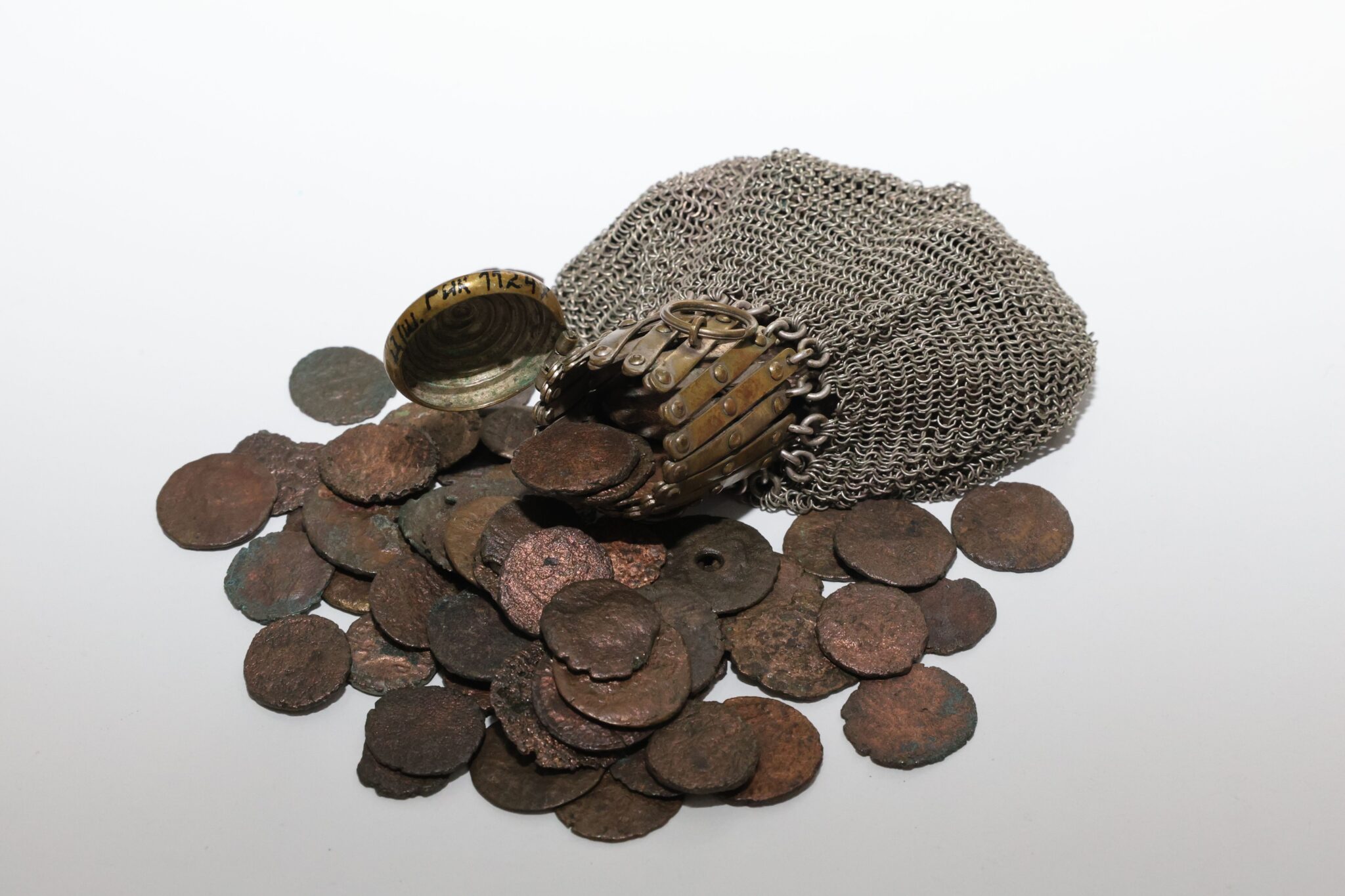
The cache comprises fifteen exquisite coins known as staters, which have officially been declared treasure. These valuable artifacts were discovered on the picturesque Welsh island of Anglesey, nestled off the northwest coast of mainland Wales.
The coins, dating between 60 BC and 20 BC, have been attributed to the Corieltavi tribe. In their heyday, this tribe inhabited the region we now know as England’s East Midlands, according to a press release from National Museum Wales.
A Discovery Years in the Making
The incredible discovery unfolded thanks to the diligent efforts of three metal detector enthusiasts, who combed a single field between July 2021 and March 2022. The first coin, a gold stater, was found by Lloyd Roberts, a seasoned detectorist with more than fourteen years of experience. He expressed his delight, saying, “Finding a gold stater was always number one on my wish list. That one coin alone would have made my year, but I went on to find another on my next signal.”
The next three coins were discovered by Roberts’s friend, Peter Cockton, and together they reached out to the Portable Antiquities Scheme, an organization that documents historical and archaeological discoveries of this kind. Tim Watson, a newcomer to metal detecting who was inspired by his father during lockdown, found the sixth coin. Watson was captivated by the unique stylized imagery on the coin and went on to upgrade his metal detector, ultimately uncovering the remaining nine coins over the following weeks.
Ancient Design, Distant Influence
The gold coins feature intricate designs inspired by Philip II, who ruled the ancient kingdom of Macedonia from 359 BC to 336 BC. The obverse side showcases the mythological deity Apollo’s wreath and hair, while the reverse features a triangular headed horse encircled by symbolic imagery.
Historians believe these staters were not commonly used for everyday transactions, except possibly for high value purchases. Instead, they were likely exchanged as gifts among elites to establish alliances or display loyalty. Alternatively, the Corieltavi tribe may have used them in trade for copper, which was available across various parts of the island. The coins might also have served as offerings to deities fulfilling vows, given the region’s significance as a religious center during that era, a theory supported by other archaeological findings and Roman references.
Why This Region Continues to Reveal Its Past
To unravel the mystery behind why these coins were buried on Anglesey, experts from the Gwynedd Archaeological Trust visited the site in September 2021. While no immediate clues regarding the coins’ origin were uncovered, the location sits within an area already known for prehistoric and early Roman activity, adding another layer to our understanding of the region’s deep archaeological history.
Excitingly, the Welsh museum Oriel Môn is actively pursuing acquisition of these precious coins with the intention of putting them on public display. This remarkable discovery not only sheds light on ancient history but also enriches our broader appreciation of Wales’s archaeological heritage.
Also read: Top 5 Rare Coin Investing Considerations: Is it Right for You?