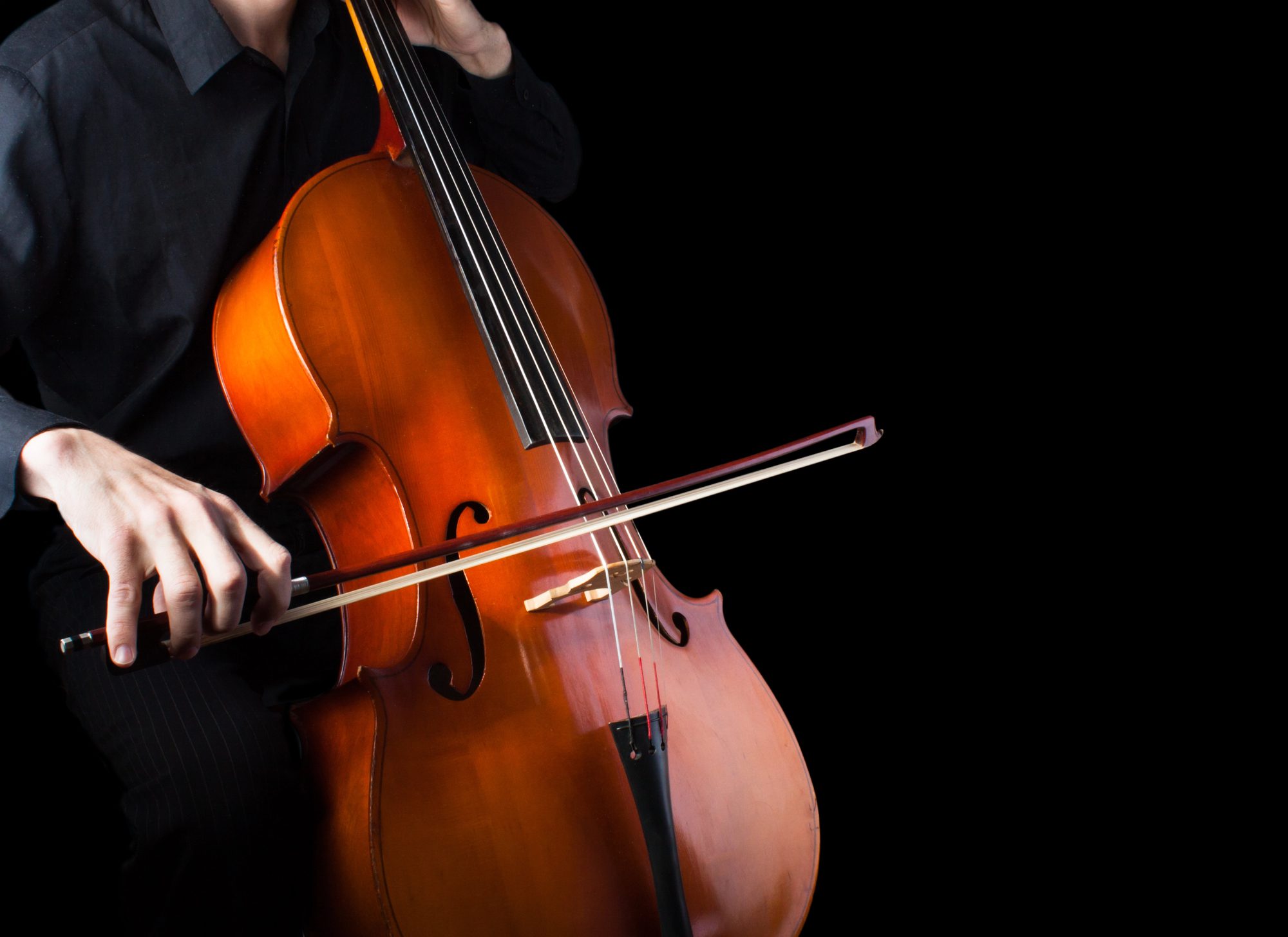
If you’re planning to start learning the cello, you need to know that part of it is spending enough time to find the right cello for you. The wrong one can cause you frustration and hinder your progress. But the right one? It can be your asset for quick improvement and steady progress.
Now, when choosing your cello, you need to determine your skill level. The skill level greatly impacts the instrument you should be holding. Just like any personal item, you need to consider different factors before you pay for that cello. What are those features? That’s what we’ll share here.
1. Find the Right Size
Size is first on our list, and there’s a reason why.
Proper sizing is a big deal when it comes to string instruments, like the cello. You need to pick a cello that’s not too big or too small for you. You need to consider your age and body size. In fact, you can ask store staff about it or, better yet, try different instruments and pick the one you’re most comfortable with.
2. Match the Cello to Your Experience
Another thing you should keep an eye on is your experience. Are you a newbie, someone who’s already familiar with cellos, or a pro player? Note that a beginner cello is designed ideally for students and won’t be suitable for advanced players. Also, high-end ones are for more advanced players.
This is because manufacturers and luthiers make sure that the setup and playability of each cello is fit for the level of experience each player has. Always choose a cello that can support your current skill level.
3. Evaluate Quality and Setup
The quality and setup – don’t forget these as well! You need to check the materials and craftsmanship. By that, we mean checking the wood used, the edges, and the seals of the instrument. Aside from the physical attributes of the cello, you also need to choose a professionally-setup instrument. These instruments are made for easier playability.
Searching for cellos for sale near me? You need to pick a trusted string instrument specialist who can help you find an instrument that matches your skill level and musical goals. Shops like Fiddlershop offer well-set-up instruments.
4. Plan for Future Growth
When scouting for a cello, you need to think in advance. Ask yourself about your future goals. Do you have plans to pursue the cello or just for a casual hobby?
This is because you need to consider upgrade options as your skills start to improve. If you have plans of upgrading sooner or later, you might want to postpone buying a very expensive one and save it for your future upgrade. You also need to balance quality with your budget.
Conclusion
Note that when choosing a cello, it should match your skill level. That way, it makes learning more enjoyable. Also, you need to focus on size, setup, and overall quality instead of just the price. Don’t rush and take your time in choosing the right cello that you can use long term for your musical growth.