Updated posts August 2026
Can Meta Finally Make WhatsApp Profitable?
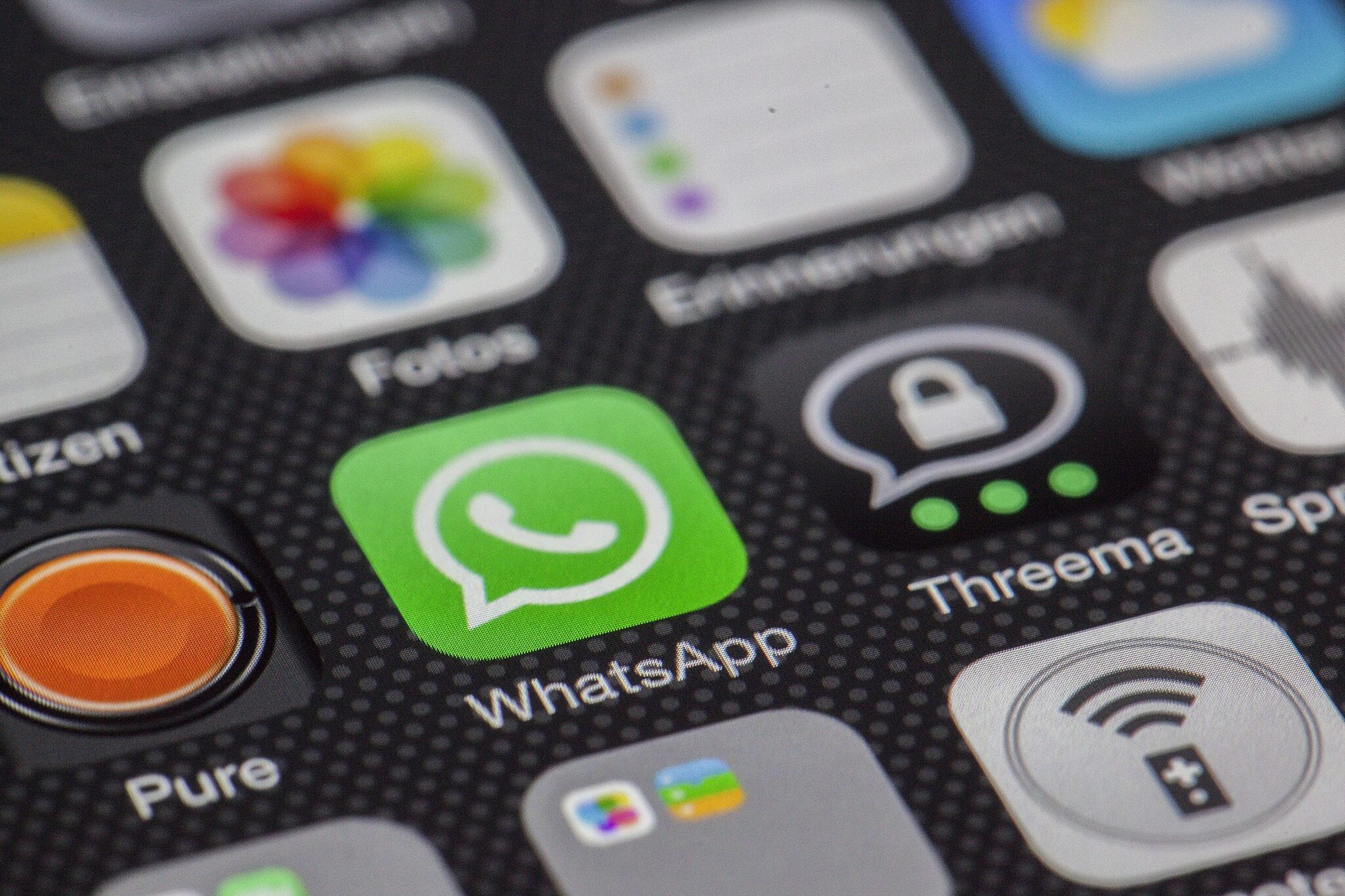
When Facebook, now known as Meta, acquired WhatsApp for a jaw dropping $19 billion in 2014, the tech world buzzed with both excitement and skepticism. Today, more than half of the world’s internet users are part of the WhatsApp community. However, despite its massive user base, the free messaging service has long struggled to translate popularity into substantial revenue.
The question on everyone’s mind is whether Meta’s ambitious plan to transform WhatsApp into a lucrative business messaging platform will finally pay off. Let’s delve into the details of this evolution and what it means for the future of WhatsApp.
The WhatsApp Phenomenon
WhatsApp’s journey from a simple messaging app to a global phenomenon is nothing short of remarkable. With its user friendly interface and end-to-end encryption, it quickly won over users worldwide. Today, it boasts more than two billion users, cementing its position as one of the most popular messaging apps on the planet.
The Revenue Challenge
Despite its immense popularity, WhatsApp has faced a persistent challenge, generating meaningful revenue. Unlike its parent company Meta, which thrives on advertising revenue, WhatsApp has remained largely ad free and subscription free. This approach aligns with the platform’s commitment to user privacy, but it has left a substantial revenue gap over the years.
The Business Messaging Strategy
Recognizing the need to monetize WhatsApp, Meta is now pivoting toward business messaging services. Companies can pay a fee to engage directly with customers on the platform, a logical step given how widely the app is already used for customer inquiries and support. This move aims to create a win-win situation: businesses gain a direct line to customers, while WhatsApp finally sees meaningful revenue flowing in.
The Challenge in the US
While WhatsApp has conquered the global messaging landscape, it has faced a unique challenge in the United States. American users have been notably slower to embrace the platform compared to their counterparts elsewhere in the world, with messaging giants like iMessage and SMS continuing to dominate the US market. To succeed with its business messaging push, WhatsApp will need to overcome this persistent hurdle.
Why the US Gap Matters More Than It Might Seem
This US adoption gap carries particular weight for the business messaging strategy specifically, since American companies represent some of the world’s largest advertising and customer service budgets. A platform that struggles to gain traction with US consumers may find it harder to convince major US brands to invest heavily in WhatsApp based customer engagement, even as the strategy succeeds elsewhere globally.
The Future of WhatsApp
Meta’s bet on WhatsApp’s transformation is undoubtedly ambitious. If successful, it could not only fill the platform’s longstanding revenue gap but also reshape how businesses connect with customers more broadly. The potential benefits are substantial: enhanced customer engagement, streamlined communication, and new opportunities for businesses to grow.
However, the road ahead isn’t without real challenges. WhatsApp must navigate ongoing privacy concerns, stiff competition, and the distinct dynamics of the US market. Its ultimate success will hinge on striking the right balance between monetization and user experience, a balance that has proven elusive for many tech platforms before it.
In conclusion, Meta’s $19 billion bet on WhatsApp’s evolution into a business messaging powerhouse remains a high stakes gamble. With over half of the world’s internet users already on board, WhatsApp has the numbers in its favor. Whether it can finally convert those numbers into revenue remains to be seen.