Updated posts 2026
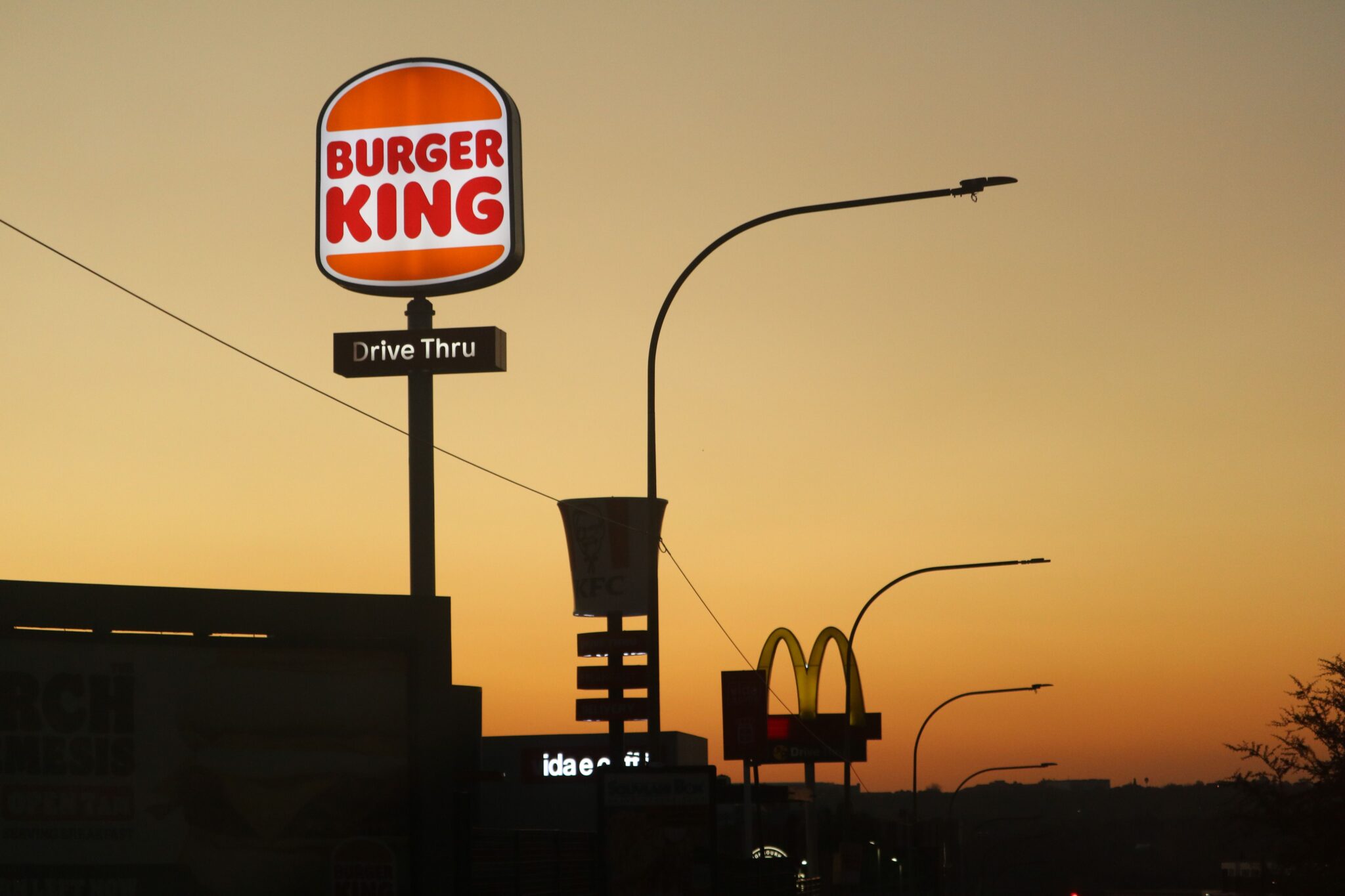
For nearly three decades, Kevin Ford devoted himself to his role at Burger King, a commitment that earned him recognition in the form of a backpack, movie ticket, and Starbucks cup. However, the gesture fell short of acknowledging his remarkable loyalty, sparking an online uproar over the disparity between his dedication and the company’s appreciation.
Last summer, a TikTok video showcasing the modest gifts went viral, prompting Ford’s daughter, Sernya Ford, to initiate a GoFundMe campaign seeking an additional $200 to enable her father to visit his grandchildren. Sernya highlighted her father’s immense contributions, noting that his unwavering commitment had provided for their family, ensuring his daughters’ education and healthcare coverage.
The power of social media catapulted the fundraiser, amassing an astonishing $446,000 in donations over the following year. In a heartfelt TikTok update, Ford expressed his gratitude, revealing that the overwhelming support had made a lifelong dream come true: owning a home.
Attempting to contain his emotions, Ford led a virtual tour of his newfound residence, emphasizing the significance of the moment made possible by the generosity of online donors. He humbly expressed, “I know it’s not a mansion, but it’s mine,” reflecting on a reality he never envisioned—a homeowner thanks to the kindness of strangers.
While a significant portion of the funds was deducted by GoFundMe, Ford disclosed to TMZ that he utilized half of the raised amount, $177,000, to secure a home in Nevada. The remainder was allocated toward his retirement savings and assisting his daughter in securing a place for herself and her children.
The mechanism that produced this outcome is worth examining alongside the outcome itself. Viral fundraising redistributes money through attention, which means it reaches the handful of cases that happen to catch an algorithm and no one else. Millions of people have worked comparable stretches for comparable wages without a video circulating, and nothing about their situation changed. Researchers who study crowdfunding consistently find it flows toward photogenic stories and articulate appeals rather than toward greatest need, which is why it functions poorly as a substitute for wages or a safety net even when individual results are genuinely moving.
Ford’s story shines a light on the struggles of frontline workers in service industries, often undervalued and underpaid, particularly during the pandemic. The widespread acknowledgment of their sacrifices led to debates on better wages and working conditions. Despite some chains raising pay to retain employees, the federal minimum wage stagnates at $7.25 an hour, rendering it insufficient to contend with the escalating cost of living, let alone enable homeownership or retirement savings.
Amidst these challenges, Ford’s journey stands as a testament to the American spirit and the resilience of communities coming together when systemic support falters. His narrative embodies the essence of the American dream—a narrative of triumph and a Christmas miracle, as articulated by Ford himself in his latest video.
Also read: The Hamptons’ Hottest Dining Destination- Union Sushi & Steak