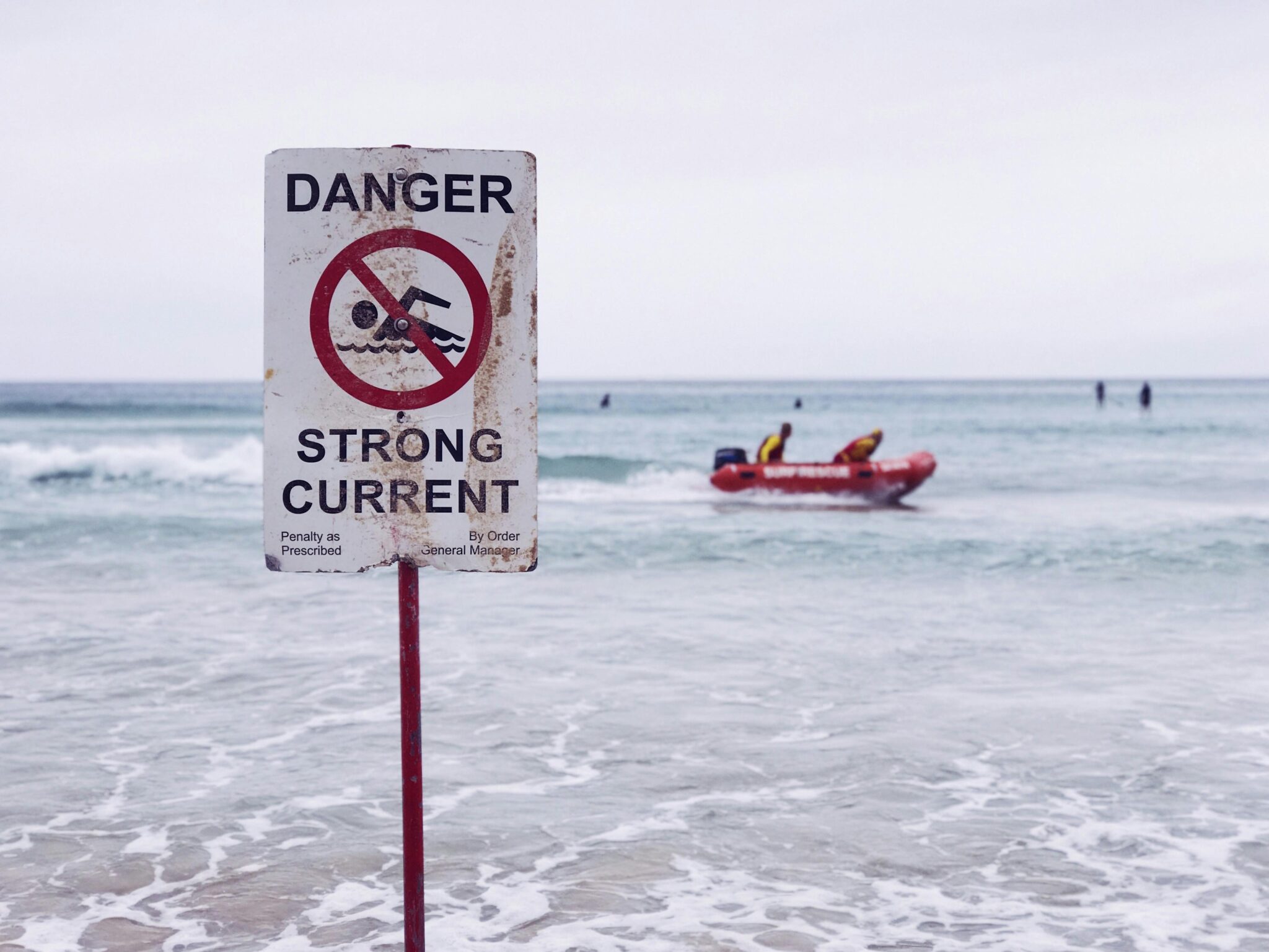
Water parks draw thousands of families every year seeking fun, excitement, and a way to cool off in hot weather. While these attractions are meant to be enjoyable, serious accidents and injuries can still happen when safety precautions are not handled properly. After preventable tragedies at water parks, some families turn to a wrongful death lawyer in Springfield while searching for answers and accountability.
Why Lifeguard Coverage Matters So Much
Lifeguards play one of the most important roles in keeping guests safe inside water parks. Their job involves much more than simply watching pools or slides from a distance. Lifeguards must constantly monitor guests, recognize signs of distress, and respond quickly during emergencies.
Busy water parks can become extremely crowded, especially during weekends and holidays. Large crowds make it much harder to spot struggling swimmers or dangerous behavior in the water. Without enough lifeguards positioned throughout the park, emergencies may go unnoticed for valuable seconds.
Quick response times are critical during water related emergencies. A person struggling in the water may not always scream or wave for help as people expect. Proper lifeguard coverage increases the chances that dangerous situations will be identified before they become fatal.
Common Injuries That Happen at Water Parks
Water park injuries can happen in many different ways. Slippery walkways, overcrowded pools, wave machines, and high-speed water slides all pose safety risks to guests. Children are especially vulnerable because they may panic quickly in unfamiliar water situations.
Some injuries involve falls, broken bones, or head trauma caused by wet surfaces and fast moving attractions. Other accidents involve near drownings, spinal injuries, or collisions between riders on slides. In difficult situations, water park accidents can result in permanent injuries or fatalities.
Heat-related illnesses may also become dangerous in crowded parks during hot weather. Dehydration, exhaustion, and inadequate supervision can increase the risk of medical emergencies. Lifeguards are often the first to recognize these situations.
How Poor Lifeguard Coverage Increases Risks
Not having enough lifeguards on duty can create serious safety issues throughout a water park. One lifeguard may have a difficult time keeping an eye on large crowds of swimmers at the same time, especially during busy hours. When too few staff members are covering crowded areas, it becomes much easier for dangerous situations, blind spots, or distractions to go unnoticed.
Lifeguards can also become exhausted after long hours in the heat, constantly focused on the water. Over time, fatigue can affect alertness and slow reaction times during emergencies; in crowded environments where every second matters, even small delays can become dangerous.
Some water parks also fail to rotate lifeguards between stations often enough. Staying in the same position for long periods can make it harder for staff members to stay mentally sharp and fully attentive. Regular rotations usually help lifeguards stay focused, alert, and better prepared to respond quickly when problems arise.
The Importance of Safety Rules and Enforcement
Water parks implement safety rules to reduce the risk of guests getting hurt. Height limits, swimming requirements, and ride instructions are all designed to help people enjoy the attractions more safely. Lifeguards are responsible for making sure those rules are followed and stepping in when they see unsafe behavior.
Sometimes guests ignore warnings or take unnecessary risks without thinking about the possible consequences. Running near pools, diving into shallow areas, or overcrowding water slides can quickly lead to serious accidents. When lifeguards actively enforce the rules, it helps create a safer experience for everyone at the park.
Parents and guardians also have an important role when it comes to water park safety. Even with trained lifeguards nearby, young children still need close attention and supervision from the adults who came with them. The safest environments are usually the ones where both families and staff stay alert and work together to prevent accidents.
How Water Parks Can Continue Improving Safety
Regular safety inspections can help water parks catch problems before they turn into serious accidents. Reviewing busy areas, staffing coverage, and previous incidents can help management see where supervision or safety procedures may need attention. Even small improvements can make a noticeable difference in keeping guests safer over time.
Technology can also help staff respond more quickly during emergencies. Security cameras, emergency alert systems, and communication devices can help lifeguards and employees react faster when something goes wrong. Still, these tools are most effective when they work alongside properly trained staff members.
Families are usually more comfortable visiting parks that clearly take safety seriously. Strong supervision, visible safety practices, and prepared staff can help guests feel more secure while enjoying the attractions. Creating a safer environment benefits both visitors and the employees responsible for protecting them.
Final Thoughts
Better lifeguard coverage can play a major role in reducing serious injuries and fatalities at water parks. Families affected by tragic accidents sometimes seek guidance from a wrongful death lawyer in Springfield while searching for accountability after preventable incidents.