The fashion industry is constantly evolving, and social media has transformed the way brands connect with customers. Today, consumers are influenced not only by traditional advertising but also by creators they follow on platforms such as Instagram, TikTok, YouTube, and Pinterest. This has made fashion influencer marketing strategies an important part of modern brand promotion.
Influencers can introduce fashion products to highly engaged audiences, create authentic content, increase brand awareness, and encourage purchasing decisions. However, successful influencer marketing requires more than simply paying a popular creator to post a product. Brands need a thoughtful strategy that focuses on the right influencers, relevant content, measurable goals, and long-term relationships.
What Is Fashion Influencer Marketing?
Fashion influencer marketing is a digital marketing strategy in which fashion brands collaborate with social media influencers and content creators to promote products or services.
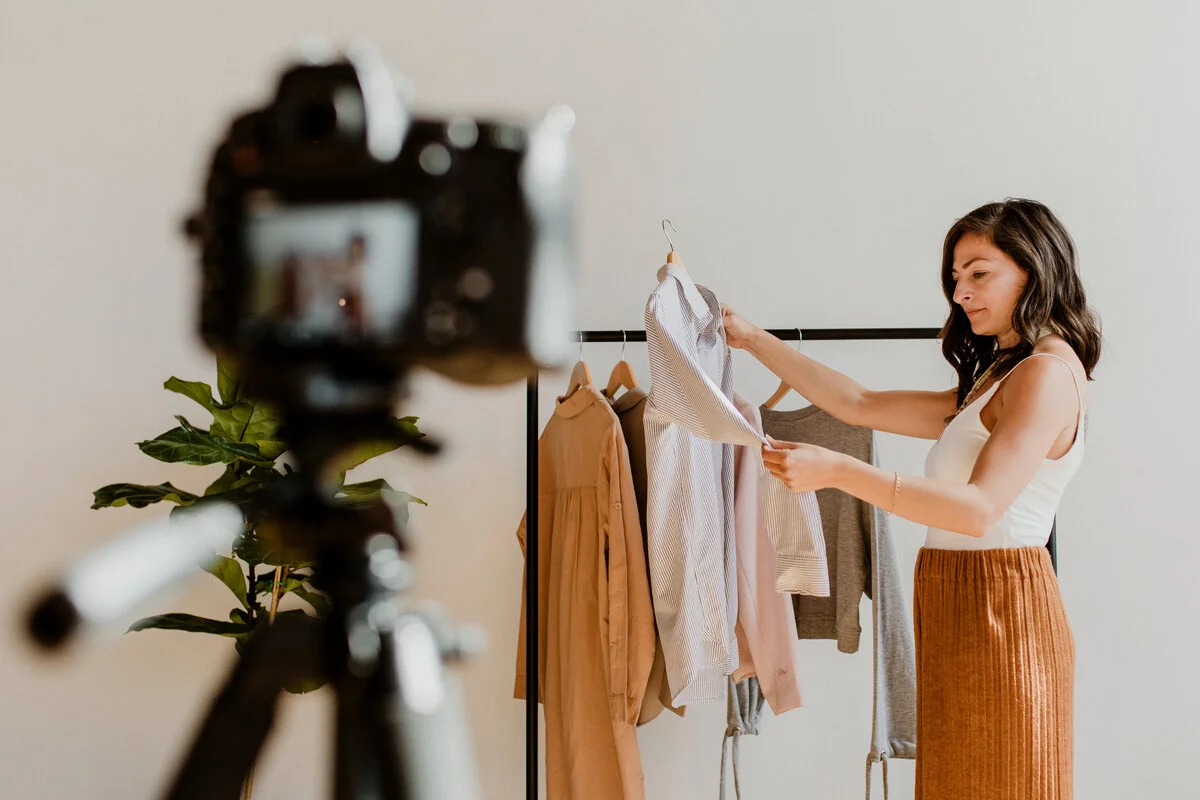
An influencer may showcase clothing through an outfit video, style a new collection, review accessories, create a lookbook, or share a personal recommendation with their audience. Because followers often view influencers as relatable and trustworthy, their recommendations can feel more personal than conventional advertisements.
The most successful campaigns combine the influencer’s creative identity with the brand’s message rather than making the content feel like a traditional advertisement.
Why Influencer Marketing Matters for Fashion Brands
Fashion is naturally visual, making it particularly suitable for influencer marketing. A creator can demonstrate how a garment looks, fits, moves, and works with other pieces in a real-world setting.
Influencer campaigns can help fashion businesses achieve several objectives, including:
- Increasing brand awareness
- Reaching new audiences
- Promoting new collections
- Generating website traffic
- Increasing product sales
- Building social media engagement
- Creating user-generated content
- Improving brand credibility
- Reaching specific customer demographics
Influencer marketing can also help smaller fashion brands compete with larger companies by giving them access to established online communities.
1. Define Your Campaign Goals
Before contacting influencers, determine exactly what you want to achieve.
A campaign designed to increase awareness will require different content and measurements than one designed to generate immediate sales. For example, a new fashion label might focus on reach and impressions, while an established online store might prioritize conversions.
Common influencer marketing goals include increasing followers, generating engagement, driving website visits, promoting a product launch, collecting user-generated content, and increasing sales.
Clear goals make it easier to select suitable influencers and evaluate campaign performance.
2. Choose the Right Influencers
One of the most important fashion influencer marketing strategies is choosing influencers based on relevance rather than follower count alone.
A creator with 20,000 highly engaged followers interested in sustainable fashion may deliver better results for an eco-friendly clothing brand than a celebrity with millions of followers but little connection to the target audience.
Consider factors such as:
- Audience demographics
- Content quality
- Engagement rate
- Fashion niche
- Personal style
- Audience interests
- Previous brand partnerships
- Posting consistency
- Professionalism
The influencer’s personality should also fit your brand identity. A luxury fashion label, streetwear company, and minimalist clothing brand may require completely different types of creators.
3. Work With Micro and Nano Influencers
Large influencers can provide impressive reach, but smaller creators should not be overlooked.
Micro-influencers and nano-influencers often have highly focused communities and strong relationships with their followers. Their content can feel more personal and authentic, which can be particularly valuable for fashion brands trying to build trust.
Working with several smaller influencers can also diversify a campaign’s reach. Instead of depending on one creator, a brand can collaborate with multiple personalities who appeal to different segments of its target market.
4. Prioritize Authentic Content
Fashion influencer marketing works best when promotional content feels natural.
Give influencers enough information to understand the campaign, but avoid controlling every word, pose, or creative decision. Their followers are familiar with their personality and content style, so overly scripted posts can feel unnatural.
For example, instead of asking an influencer to simply display a jacket and list its features, encourage them to create an outfit around it or show several ways to style it.
Authenticity allows the product to become part of the creator’s existing content rather than interrupting it.
5. Use Multiple Content Formats
Different social media formats can serve different purposes. Fashion brands should experiment with a combination of content types.
Short-form videos can demonstrate styling ideas, transformations, outfit combinations, and seasonal trends. Instagram Stories can be useful for product links, limited-time promotions, polls, and behind-the-scenes content.
Longer videos can provide detailed reviews or lookbooks, while static photography can showcase specific products and campaign visuals.
A strong campaign can repurpose influencer-created content across multiple marketing channels, provided the appropriate usage rights have been agreed upon.
6. Create Styling-Focused Campaigns
Fashion consumers often want inspiration, not simply product information.
Instead of focusing exclusively on individual products, ask influencers to demonstrate how the items can be worn. Styling content can answer practical questions that potential customers may have.
For example, an influencer could create:
- Three ways to style one blazer
- Weekend outfit ideas
- Office-to-evening looks
- Seasonal capsule wardrobes
- Date-night outfit inspiration
- Casual streetwear combinations
- Travel outfit ideas
This type of content naturally demonstrates product versatility while providing value to the audience.
7. Launch Influencer Discount Codes
Personalized discount codes can provide both an incentive for customers and a useful measurement tool for brands.
Each influencer can receive a unique code associated with their name or campaign. When customers use that code, the brand can identify which creators are generating sales.
Discount codes can also encourage followers who are interested in a product but have not yet made a purchase to take action.
However, discounts should not be the only reason people engage with a campaign. Strong creative content and genuine recommendations remain essential.
8. Use Affiliate Marketing
Affiliate partnerships can turn influencer relationships into performance-based campaigns.
With affiliate marketing, influencers receive a commission for qualifying sales generated through their unique links or codes. This creates an incentive for creators to continue promoting products that resonate with their audiences.
For fashion brands, affiliate campaigns can be especially effective for evergreen products because creators can continue generating sales long after the initial sponsored post.
9. Build Long-Term Influencer Relationships
One-off collaborations can generate short-term exposure, but long-term partnerships can create stronger brand recognition.
When the same influencer consistently wears and discusses a brand, followers may become more familiar with the company and its products. Over time, the partnership can feel more authentic than a series of unrelated sponsored posts.
Brands can develop ambassador programs that provide selected influencers with early product access, exclusive collections, affiliate opportunities, event invitations, or special promotional benefits.
10. Encourage User-Generated Content
Influencer campaigns can generate valuable content that extends beyond the original creator.
Encourage influencers and customers to share their own outfits using a campaign hashtag or branded tag. With appropriate permission, brands can then feature selected customer content on their social media profiles, website, or marketing campaigns.
User-generated content can provide social proof and show potential customers how products look on different people.
11. Measure Campaign Performance
A successful influencer marketing strategy should be measurable.
Important metrics include reach, impressions, engagement rate, video views, clicks, website traffic, conversions, sales, and return on investment.
For awareness campaigns, reach and impressions may be particularly important. For sales campaigns, conversions and revenue provide more meaningful information.
Brands should compare results across influencers to determine which creators, content formats, and audiences produce the strongest performance.
12. Follow Advertising and Disclosure Rules
Transparency is essential when working with influencers. Sponsored relationships should be disclosed clearly and in accordance with applicable advertising regulations and platform requirements.
Brands should establish expectations about sponsorship disclosures before content is published. Clear agreements can protect both the company and the creator while maintaining audience trust.
Common Fashion Influencer Marketing Mistakes
Even well-funded campaigns can fail when brands focus on the wrong priorities.
Common mistakes include choosing influencers solely because of follower count, ignoring audience quality, using overly scripted content, failing to define campaign goals, neglecting performance tracking, and expecting immediate results from a single post.
Another common mistake is choosing influencers whose personal style does not match the brand. Relevance should always come before popularity.
The Future of Fashion Influencer Marketing
Fashion influencer marketing will continue to evolve as social platforms, creator tools, and consumer behaviors change. Short-form video, live shopping, affiliate partnerships, virtual communities, and creator-led product launches are likely to remain important components of fashion marketing.
Brands that succeed will be those that treat influencers as creative partners rather than simply advertising channels. Understanding the creator’s audience, allowing authentic storytelling, and measuring meaningful results can produce stronger and more sustainable campaigns.
Final Thoughts
Effective fashion influencer marketing strategies combine the right creators, compelling content, authentic storytelling, and measurable objectives. Whether a fashion business works with nano-influencers, established creators, or major personalities, success depends on reaching the right audience with content that feels relevant.
Start by defining your goals, researching potential influencers, developing creative campaigns, and establishing clear performance metrics. Then use the results to improve future campaigns.
When executed thoughtfully, influencer marketing can do more than generate a few social media posts. It can help fashion brands build awareness, establish credibility, create engaging content, develop loyal communities, and ultimately turn social influence into long-term business growth.