Key Takeaways
- Rehabilitation and community wellness careers focus on holistic patient care and community health.
- Roles include physical therapists, occupational therapists, and speech-language pathologists.
- Educational requirements vary, with many positions requiring specialized degrees and certifications.
- Employment opportunities are diverse, spanning hospitals, clinics, and community centers.
- Staying informed about industry trends and continuing education is crucial for career advancement.
Table of Contents
- Understanding the Field
- Educational Pathways
- Career Opportunities
- Skills and Competencies
- Industry Trends
- Continuing Education
- Challenges and Rewards
- Conclusion
Embarking on a career that bridges rehabilitation and community wellness offers a unique opportunity to make a profound impact on individuals’ lives. Professionals in this field not only aid in physical recovery but also promote holistic well-being within communities. Whether you are interested in traditional therapy roles or emerging pathways, such as respiratory therapy programs online, the array of options continues to expand as healthcare evolves.
The intersection of rehabilitation and community wellness addresses both restorative care for individuals and preventive initiatives supporting whole populations. These allied health careers are uniquely positioned to adapt to the changing needs of healthcare, offering both meaningful patient impact and diverse career opportunities within dynamic environments.
Understanding the Field
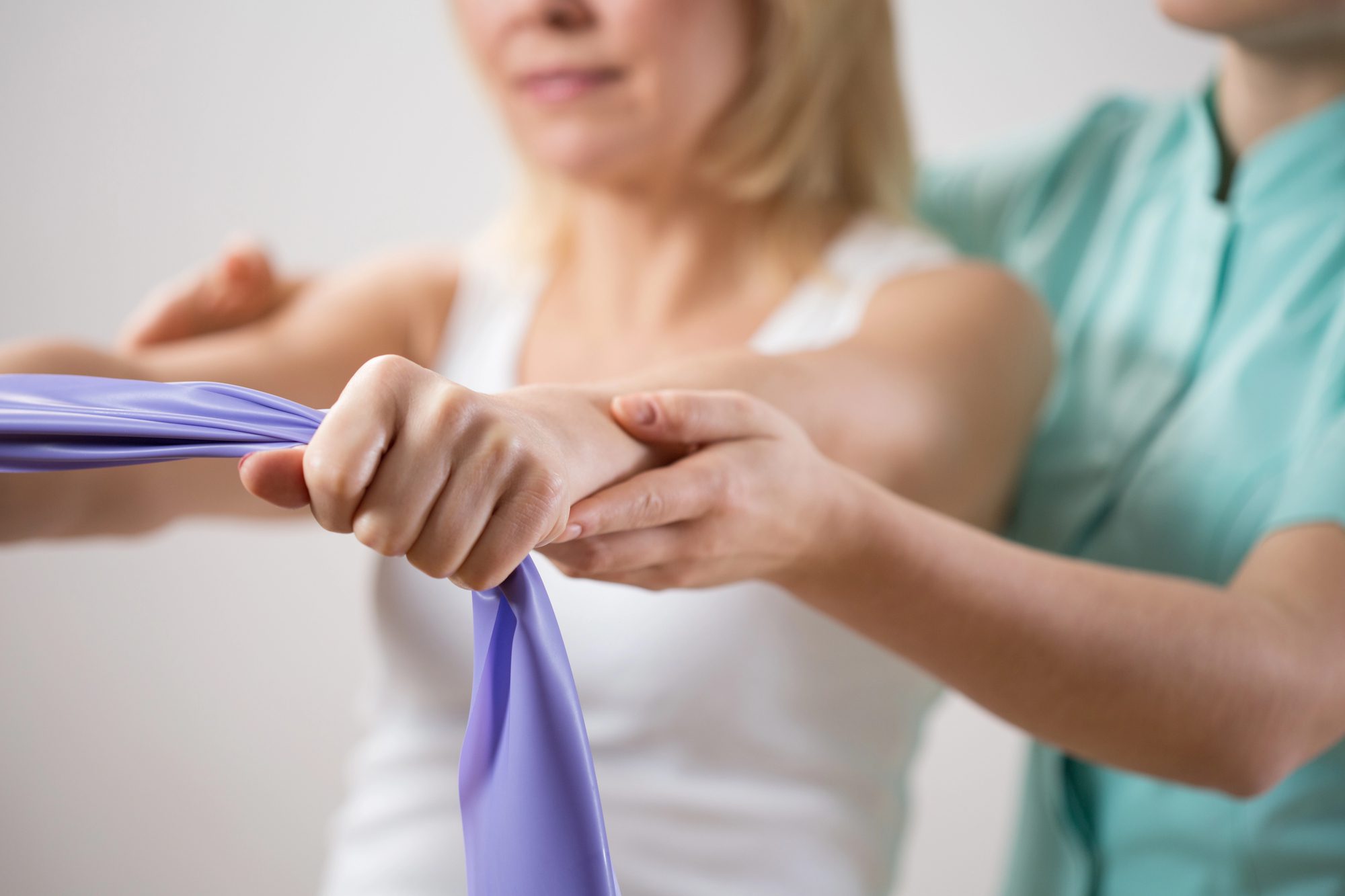
Rehabilitation is centered on supporting individuals as they recover from injuries, chronic illnesses, or debilitating conditions. It emphasizes restoring physical function, mobility, and overall quality of life through tailored therapeutic interventions. Community wellness, meanwhile, takes a broader view. It focuses on preventive care, public health initiatives, and promotion of healthy behaviors in populations, working to ensure collective well-being and reduce health disparities. By combining these approaches, professionals leverage individualized care strategies while addressing systemic health challenges faced by communities.
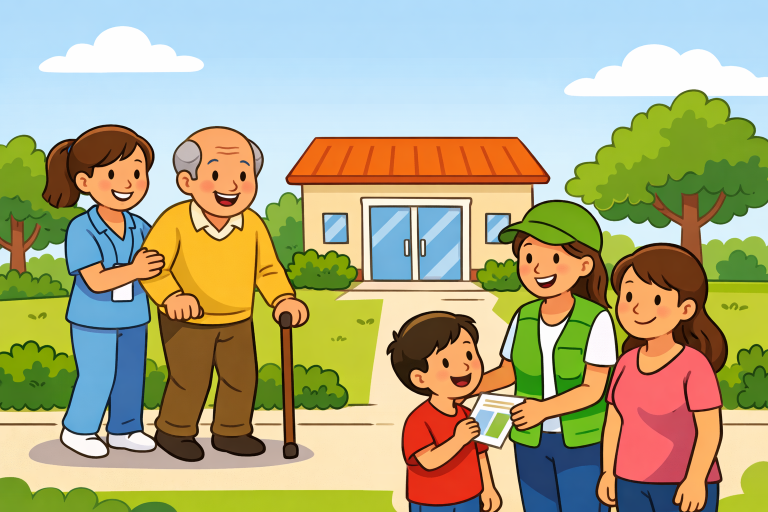
This integrated perspective means careers in this field often go beyond traditional clinical work. Practitioners are involved in designing wellness programs, facilitating community outreach, and advocating for policies that improve access to care and healthy environments. This dual role requires adaptability and a strong commitment to ongoing learning and public service.
Educational Pathways
Pursuing a career in rehabilitation and community wellness typically begins with specialized education and training. For example, physical therapists complete a Doctor of Physical Therapy (DPT) degree, a multi-year graduate program that covers anatomy, physiology, clinical sciences, and hands-on patient care. Occupational therapists generally obtain a master’s degree focusing on helping patients achieve optimal function in daily activities, often with populations such as children, the elderly, or those with disabilities. Speech-language pathologists may hold a master’s degree and work with individuals with communication or swallowing disorders.
Additionally, certification in areas such as community health, health education, or public health (e.g., the Certified Health Education Specialist, or CHES, credential) can broaden one’s expertise and career potential. Emerging disciplines, such as online respiratory therapy programs and telehealth certifications, allow practitioners to expand their roles and increase accessibility for underserved populations.
Career Opportunities
Professionals in rehabilitation and community wellness are employed in settings that include hospitals, inpatient and outpatient rehabilitation centers, schools, community health organizations, nonprofit agencies, and private clinics. Typical roles involve direct patient care, wellness program design, health education, and community-based research.
For individuals interested in an acute care or hospital-oriented work environment, institutions provide robust career opportunities. Those who prefer community outreach or health advocacy can contribute through public health agencies or grassroots organizations that deliver education and preventive services at the neighborhood level.
Skills and Competencies
Success in this sector requires both clinical knowledge and strong interpersonal abilities. Professionals must accurately assess patient needs, develop effective, individualized treatment plans, and maintain detailed health records. Communication is vital when counseling patients, collaborating with healthcare teams, and facilitating group wellness initiatives. Empathy, cultural sensitivity, and adaptability are critical, as is the ability to motivate individuals from diverse backgrounds toward health goals. Leadership and project management skills are also invaluable for those engaged in designing or administering community programs.
Industry Trends
The landscape of rehabilitation and community wellness is rapidly evolving, especially with the integration of digital technology. Telehealth solutions, wearable health devices, and electronic health records optimize patient monitoring and increase the reach of care, especially in rural or underserved communities. The role of social determinants of health—such as access to safe housing, education, and nutritious food—has become more prominent in program design and policy discussions. Current trends are extensively covered by sources such as Health Affairs, a leading resource for healthcare policy and industry news.
There is also a growing emphasis on preventative approaches, including partnerships among hospitals, community organizations, and local governments to address chronic disease, mental health, and substance abuse holistically.
Continuing Education
Ongoing education is essential for standing out in this dynamic field. Staying current with advances in rehabilitation technology, evidence-based intervention strategies, and community health programming leads to better patient outcomes and greater professional satisfaction. Many professional organizations offer workshops, webinars, and conferences, providing practitioners with opportunities to network and deepen their expertise. Additional certifications in specialties such as pediatric therapy, geriatric health, or community-based program management are also valuable for professional growth.
Challenges and Rewards
Caring for patients with complex needs and navigating the intricacies of healthcare systems can be demanding. Professionals may face limited resources, variable access to care, and administrative burdens. Despite these obstacles, the personal rewards are significant. Witnessing patients regain independence or seeing measurable improvements in community wellness rates brings tangible fulfillment. Rehabilitation and community wellness practitioners frequently report a deep sense of purpose and a strong connection to the communities they serve.
Conclusion
Rehabilitation and community wellness careers are uniquely positioned at the crossroads of individual care and public health. For those passionate about holistic well-being and dedicated to lifelong learning, this evolving field offers a rewarding, impactful, and flexible career path that transforms and saves lives at both personal and community-wide scales.
photo by depositphotos