Recovery after knee surgery is rarely a straight path. Many patients go in expecting a linear timeline — rest, rehab, and then a full return to normal life. But as the days unfold, reality can look different. Setbacks sometimes appear when least expected, making patience and the right response just as important as the surgery itself.
It’s normal to feel frustrated when things don’t move as quickly as hoped. Some people may worry that every ache or delay means something has gone wrong. The truth is, healing from knee surgery involves both physical and emotional challenges. Each person’s journey is different, and learning how to respond calmly to common setbacks helps recovery feel less overwhelming.
For those who have undergone procedures like ACL tear surgery in Singapore specialists often remind patients that setbacks do not always mean failure. They are usually signs that the body needs more time, adjustments, or rest. Understanding what these challenges mean — and how to respond to them — can make a meaningful difference in the healing process.
Managing Swelling and Stiffness
Recovery often begins with swelling and stiffness that linger longer than expected. This can create discomfort and frustration, especially for those eager to move freely again. Swelling is a natural part of the healing process, but when it persists, it can restrict motion and cause concern.
When Swelling Takes Longer to Subside
After knee surgery, the surrounding tissues are often sensitive. The body reacts by sending extra blood and fluid to the area to begin healing. While some swelling is normal, prolonged or excessive swelling can slow progress. It can make simple exercises harder to perform, delaying physical therapy goals.
Doctors and physiotherapists usually recommend icing the knee several times a day, elevating the leg, and controlling activity levels to help manage swelling. Gentle motion can also help improve circulation and prevent the buildup of fluid. Most importantly, listening to the body is key. Ignoring pain or pushing too hard, too soon, can make things worse and potentially extend recovery time.
Coping with Joint Stiffness
Stiffness often feels like the knee simply refuses to bend or straighten fully. It can be alarming, especially when exercises become difficult or painful. This stiffness happens because scar tissue forms as the knee heals. If not addressed early, it can reduce mobility.
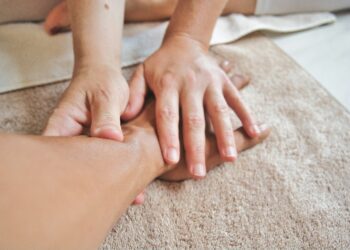
Regular stretching under guidance can help maintain motion. A physiotherapist may also recommend specific techniques like soft tissue massage or gradual range-of-motion exercises. Staying patient and consistent during this phase is essential. Even small improvements, achieved over weeks, are signs of real progress.
Balancing Rest and Activity
Balancing rest with the right amount of activity is one of the constant challenges during recovery. Too much rest can lead to stiffness and weakness, while too much activity can worsen swelling or pain. Many people struggle to find this balance because the knee’s response can vary from day to day.
It helps to track symptoms and note what triggers discomfort. Taking rest days when swelling increases or pain worsens can help the body recover better. Over time, developing this awareness not only aids healing but also strengthens trust in one’s body again.
Addressing Muscle Weakness and Healing Delays
Even with careful rehab, muscle weakness can become one of the most discouraging setbacks. The muscles around the knee tend to lose strength quickly after surgery due to inactivity and limited movement. Rebuilding this strength takes consistent effort and proper guidance.
Regaining Strength After Surgery
Muscle weakness often feels most noticeable when trying to climb stairs or stand up from a seated position. These actions require the quadriceps and hamstrings to support the knee, roles that can feel much harder after surgery. Early exercises may feel tiring or unsteady, but they mark an essential step in recovery.
Gradual strengthening exercises prescribed by a physiotherapist — starting from simple knee squeezes or straight leg raises — help restore these muscles safely. Over time, strength training increases confidence and allows patients to resume daily tasks more comfortably. Progress may feel slow at first, but consistent work usually pays off as control and stability return.
Dealing with Slow Healing or Setbacks
Some people recover faster than others. Factors like age, preexisting conditions, or simply the body’s unique response can influence healing speed. When recovery seems slower than expected, it’s easy to become discouraged. In these moments, communication with a healthcare team is essential.
Doctors may adjust the rehabilitation plan or check for signs of inflammation, infection, or delayed tissue repair. Often, these slowdowns can be managed with minor changes in therapy intensity or medication. The key is to view recovery as progress in motion, even when it seems to move slowly. Every small milestone contributes to the bigger goal.
Staying Motivated Through Challenges
Emotional recovery plays a huge part in the physical one. Pain, fatigue, or temporary setbacks can easily sap motivation. Some patients describe feeling impatient or afraid of re-injury, particularly when returning to sports or physical activity.
Support from physiotherapists, family, or online recovery communities can make a real difference. Sharing experiences helps patients realize that these challenges are common, not personal failures. Learning to celebrate small wins — like walking without a crutch, bending a little further, or managing pain better than before — can reignite motivation and optimism.
Moving Forward
The path after knee surgery can take unexpected turns. Swelling, stiffness, weakness, or slower healing can make recovery feel uncertain, but each challenge is also an opportunity to learn more about the body’s resilience. Most situations improve with proper guidance, consistent effort, and a balanced mindset.
For those recovering from complex procedures such as ACL tear surgery specialists often emphasize the importance of patience. Rushing the process rarely leads to long-term success. The most sustainable recoveries come from steady, mindful progress — responding to setbacks not with frustration, but with understanding.
Every stage of healing has a rhythm of its own. Accepting that rhythm, adjusting habits, and trusting professional advice can turn recovery into a process of growth. Over time, the knee strengthens, confidence returns, and life gradually feels normal again. With the right perspective and care, the road to full recovery becomes not just a challenge to overcome, but a journey toward renewed strength and stability.