Updated posts August 2026
Dustin Moskovitz Increases His Asana Stake to Fund AI Safety Philanthropy
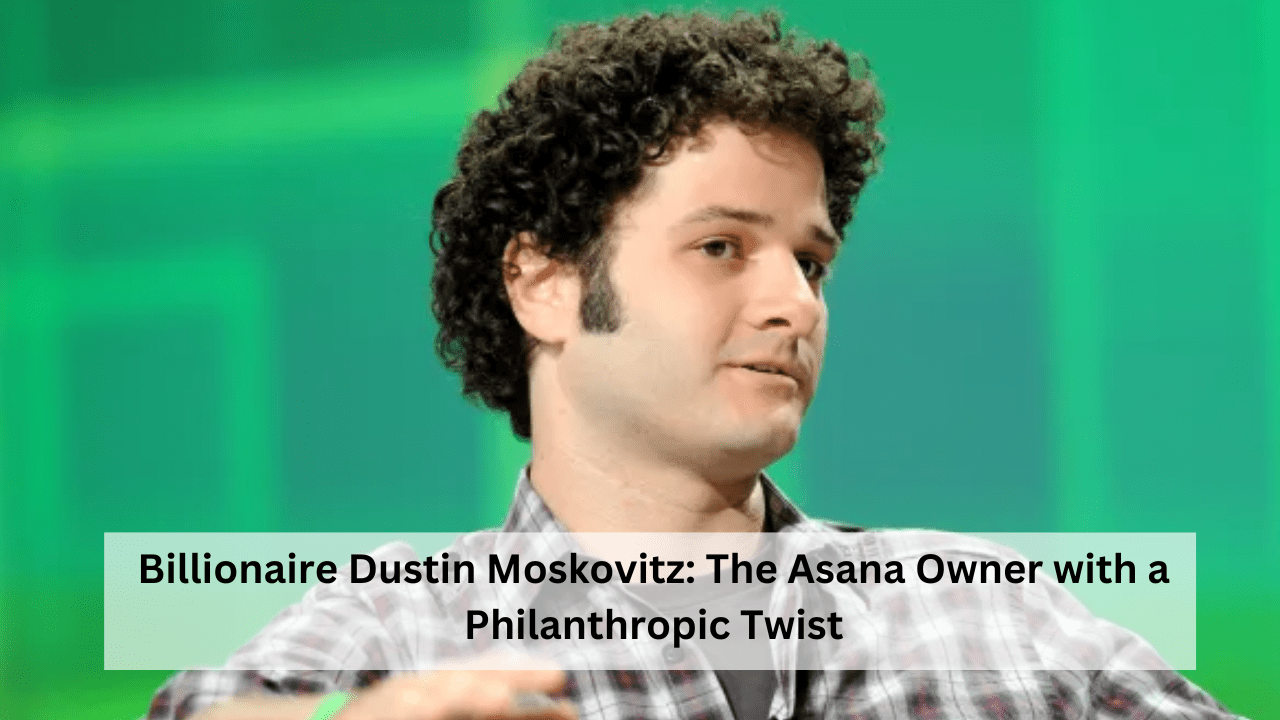
In a tech founder’s usual playbook, ownership tends to decrease over time. But Asana’s CEO and Facebook co-founder, billionaire Dustin Moskovitz, is flipping the script.
Instead of reducing his stake, he’s steadily acquiring more Asana shares, now making him the majority owner with over 51 percent of outstanding stock. His motivation isn’t control, but a strategy tied directly to funding philanthropy.
Moskovitz, recognized for his early involvement with Facebook, founded Asana in 2008 to improve collaboration through software. By 2020, when he took the company public, he held a 36 percent ownership stake. Since then, he’s been on a buying spree, including a recent purchase of 480,000 Asana shares in June.
Despite Asana’s stock rallying 66 percent this year, it remains more than 80 percent below its late 2021 peak. Nevertheless, Moskovitz, with a net worth exceeding $12 billion, remains committed to using his wealth to support philanthropy, particularly in the realm of artificial intelligence.
A Long-Standing Commitment to AI Safety
In 2010, Moskovitz signed the Giving Pledge, promising to donate most of his fortune to charity. He and his wife, Cari Tuna, manage their philanthropic efforts through Good Ventures, with a strong focus on AI safety. Good Ventures contributed $30 million to startup OpenAI in 2017, underscoring the importance the couple places on AI safety and governance.
One of Moskovitz’s major concerns in philanthropy is what he describes as potential risks from advanced AI. Open Philanthropy, linked to OpenAI, has distributed more than $300 million through over 170 grants supporting research in this area.
Buying Back Shares to Fund the Mission
Moskovitz’s involvement with AI extends well beyond philanthropy, he’s actively engaged with the technologies themselves. OpenAI’s ChatGPT, launched in November, captured his attention immediately. Before its release, Moskovitz had already been experimenting with DALL-E, another OpenAI technology.
Asana, too, has embraced AI, enhancing its products with generative AI features powered by OpenAI’s models. Moskovitz sees AI as more than simple chatbot technology, viewing it instead as a tool for optimizing workflows and decision making processes across industries.
What Ties Together His Business and Philanthropic Strategy
What makes Moskovitz’s approach distinctive is how directly his business decisions and philanthropic goals now intersect. Rather than treating Asana’s success and his AI safety funding as separate pursuits, increasing his ownership stake functions as a long term mechanism for generating the capital his philanthropic work depends on, effectively turning corporate strategy into an extension of his giving strategy.
In terms of financial commitment, Moskovitz has indicated that Asana could allocate over $5 million for OpenAI’s technology in the coming year, expressing genuine admiration for OpenAI’s GPT-3 and GPT-4 models.
Moskovitz’s deep involvement in both AI and philanthropy is notable. He has also contributed to broader discussions on AI safety and policy, advocating for safety evaluations of advanced AI models before their public release.
While Moskovitz shares some of Elon Musk‘s views on AI’s existential risks, the two differ on other aspects, including AI censorship and broader societal concerns. Moskovitz remains actively engaged in shaping AI policy and fostering a more responsible AI ecosystem overall.
In summary, Dustin Moskovitz’s journey from co-founding Facebook to becoming majority owner of Asana reflects his deep commitment to philanthropy, particularly around AI safety. His strategic investments in Asana, paired with his active involvement in AI technology, underscore his dedication to shaping the future of AI in a safe and responsible way.