Managing money can be difficult when your income changes from month to month. Freelancers, gig workers, commission-based employees, seasonal workers, and small business owners often cannot predict exactly how much money they will earn. One month may be excellent, while the next may be much slower.
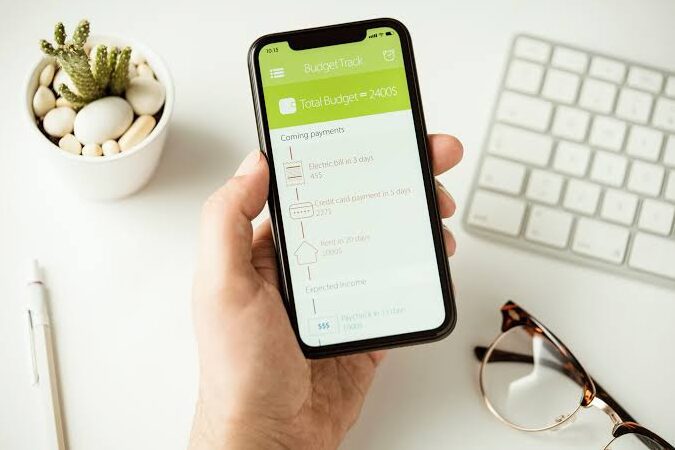
That is why choosing the best budgeting apps for beginners with irregular income can make a major difference. A good budgeting app can help you track income, control expenses, prepare for slow months, build savings, and understand where your money is going.
Unlike traditional budgeting, which often assumes that you receive the same paycheck every month, irregular-income budgeting requires more flexibility. The goal is to create a system that works during both high-income and low-income months.
What Is Irregular Income?
Irregular income means your earnings are not consistent from one month or pay period to another.
For example, a freelancer might earn $2,000 in one month, $3,500 the next month, and only $1,500 the following month. A salesperson may earn a different commission every month, while a rideshare driver may earn more during certain seasons.
This type of income makes traditional monthly budgeting challenging because you cannot always rely on one fixed number.
A budgeting app designed for flexibility can help you manage these fluctuations without constantly rebuilding your entire financial plan.
What Should a Budgeting App Offer?
Before selecting a budgeting app, beginners with irregular income should look for features that make variable income easier to manage.
Important features include:
- Flexible income tracking
- Custom spending categories
- Savings goals
- Expense tracking
- Recurring bill management
- Budget adjustments
- Cash-flow visibility
- Debt tracking
- Emergency-fund planning
- Simple and beginner-friendly dashboards
The most important feature is flexibility. Your budgeting app should allow you to change your plan when your income increases or decreases.
Best Budgeting Apps for Beginners With Irregular Income
1. YNAB
YNAB is a popular choice for people who want a structured approach to budgeting. Its budgeting philosophy focuses on giving your available money a specific purpose.
This can be particularly useful when your income is unpredictable because you can focus on the money currently available instead of depending entirely on an expected future paycheck.
For example, if you receive $1,800 from freelance work, you can prioritize housing, groceries, utilities, transportation, savings, and other important expenses.
Best for: Beginners who want a detailed and structured budgeting system.
2. Monarch Money
Monarch Money is designed to provide a broader view of personal finances. In addition to budgeting, it can help users monitor spending, accounts, financial goals, and overall financial progress.
This makes it useful for people who want more than a basic expense tracker.
For irregular-income households, having a clear overview of income, spending, savings, and financial goals can make it easier to make decisions during both strong and weak months.
Best for: Beginners who want budgeting combined with broader financial tracking.
3. EveryDollar
EveryDollar uses a zero-based budgeting approach. The basic idea is to give every dollar a purpose rather than allowing money to disappear through unplanned spending.
This approach can work well for freelancers and other variable-income earners because it encourages intentional spending.
Beginners may also appreciate its relatively straightforward budgeting structure.
Best for: People who prefer simple zero-based budgeting.
4. Goodbudget
Goodbudget is based around the traditional envelope budgeting method.
Instead of simply tracking how much money you have, you divide available funds into categories such as rent, groceries, transportation, entertainment, and savings.
This can be particularly helpful when income arrives at different times. You can allocate money to the categories that matter most whenever you receive income.
Best for: Beginners who like envelope-style budgeting.
5. PocketGuard
PocketGuard focuses on helping users understand their available spending money after accounting for bills and other financial priorities.
This can make it appealing to beginners who find complicated budgeting systems overwhelming.
However, if your income changes dramatically, you should regularly review your numbers and make manual adjustments when necessary.
Best for: Beginners who want a simple overview of their spending.
Budgeting App Comparison
| Budgeting App | Main Approach | Best For | Beginner Friendly | Good for Irregular Income |
|---|---|---|---|---|
| YNAB | Zero-based budgeting | Detailed money management | Yes | Excellent |
| Monarch Money | Flexible financial planning | Overall financial tracking | Yes | Very Good |
| EveryDollar | Zero-based budgeting | Simple budgeting | Excellent | Very Good |
| Goodbudget | Envelope budgeting | Category-based spending | Good | Very Good |
| PocketGuard | Spending tracking | Simple money management | Excellent | Good |
The best option depends on how much control you want over your budget. Someone who enjoys detailed planning may prefer a zero-based system, while someone who wants simplicity may prefer a basic spending tracker.
How to Budget With Irregular Income
Choosing an app is only the beginning. Your budgeting strategy is equally important.
Start With Your Lowest Normal Income
One of the easiest mistakes people with irregular income make is creating a lifestyle around their highest-earning month.
Instead, consider your lower-income months when deciding how much you can safely spend on essential expenses.
For example, if you typically earn between $2,000 and $4,000 per month, avoid creating a lifestyle that requires $4,000 every month.
Your higher-income months can then help strengthen your financial position.
Separate Needs From Wants
Create separate categories for essential and nonessential spending.
Essential expenses might include:
- Housing
- Utilities
- Groceries
- Transportation
- Insurance
- Minimum debt payments
Nonessential expenses could include restaurants, entertainment, shopping, subscriptions, and vacations.
When income falls, you can reduce flexible spending while protecting essential expenses.
Build an Income Buffer
An income buffer can make irregular income feel much more predictable.
During months when you earn more than expected, consider keeping some of that additional money instead of immediately increasing your spending.
Over time, your buffer can help cover expenses during slow months.
Create Sinking Funds
Sinking funds are another excellent strategy for people with unpredictable income.
Instead of waiting for an annual expense to appear, set money aside gradually.
You could create separate categories for:
- Car repairs
- Insurance
- Holidays
- Gifts
- Medical expenses
- Annual subscriptions
- Home repairs
- Travel
This helps prevent large occasional expenses from destroying your monthly budget.
Review Your Budget Frequently
A fixed-income worker may be able to create a monthly budget and make only small changes.
With irregular income, reviewing your budget more frequently can be useful.
Check your budget whenever you receive a payment, experience an unexpected expense, or notice that your income expectations have changed.
A short weekly review can help you identify overspending before it becomes a serious problem.
Which Budgeting App Is Best for You?
There is no single best budgeting app for everyone.
YNAB may be a strong choice if you want detailed control over every dollar.
Monarch Money may suit people who want budgeting alongside broader financial tracking.
EveryDollar can be a good option if you prefer straightforward zero-based budgeting.
Goodbudget is worth considering if you like dividing money into virtual envelopes.
PocketGuard may appeal to beginners who want a simpler view of their available spending money.
When choosing an app, focus less on having the largest number of features and more on whether you will actually use it consistently.
Final Thoughts
Finding the best budgeting apps for beginners with irregular income can make managing unpredictable earnings much easier.
The ideal app should help you track income, monitor expenses, prioritize essential bills, build savings, and prepare for months when your earnings are lower.
However, an app alone cannot solve financial problems. The most effective approach combines the right budgeting tool with good financial habits.
Start by understanding your essential expenses, create a conservative spending plan, build an income buffer, and avoid increasing your lifestyle every time you have a high-income month.
With the right system, irregular income does not have to mean irregular financial progress.
Frequently Asked Questions
What is the best budgeting app for irregular income?
YNAB is a strong option for people who want a structured approach to managing variable income. Goodbudget and EveryDollar can also be useful for people who prefer envelope or zero-based budgeting.
Can budgeting apps work for freelancers?
Yes. Budgeting apps can be particularly useful for freelancers because they allow you to track payments, expenses, savings goals, and financial categories in one place.
How should I budget if my income changes every month?
Start with a conservative estimate based on your lower-income months. Prioritize essential expenses and use higher-income months to build savings and an income buffer.
Is zero-based budgeting good for irregular income?
Yes. Zero-based budgeting can work well because it encourages you to assign available money to specific expenses and goals rather than spending based on an uncertain future income.
Should I save more during high-income months?
Generally, higher-income months can be a good opportunity to strengthen your financial position. Extra money can be directed toward savings, emergency funds, debt repayment, or future expenses.
How much should I keep in an income buffer?
There is no universal amount. A useful starting goal is to build enough savings to cover essential expenses during at least one slower income period. As your finances improve, you can work toward a larger emergency reserve.
Can I use a spreadsheet instead of a budgeting app?
Absolutely. A spreadsheet can work just as well if you consistently update it. Budgeting apps are mainly useful for people who prefer automation, notifications, transaction tracking, and mobile access.
How often should I check my budget?
If your income changes frequently, checking your budget weekly can be helpful. At minimum, review it whenever you receive a significant payment or have an unexpected expense.
What is the biggest budgeting mistake with irregular income?
One of the biggest mistakes is treating a high-income month as normal income. Spending based on your best month can leave you struggling when your earnings fall.
Can budgeting apps help me save during slow months?
Yes. By tracking income and expenses and helping you create savings categories, a budgeting app can make it easier to prepare for periods when your earnings are lower.
:::{“fallbackMarkdown”:””,”reference”:{“matched_text”:” “,”prefix”:null,”start_idx”:11670,”end_idx”:11670,”safe_urls”:[],”refs”:[],”alt”:””,”prompt_text”:null,”type”:”sources_footnote”,”sources”:[],”has_images”:false},”showLoginRequiredCard”:false}