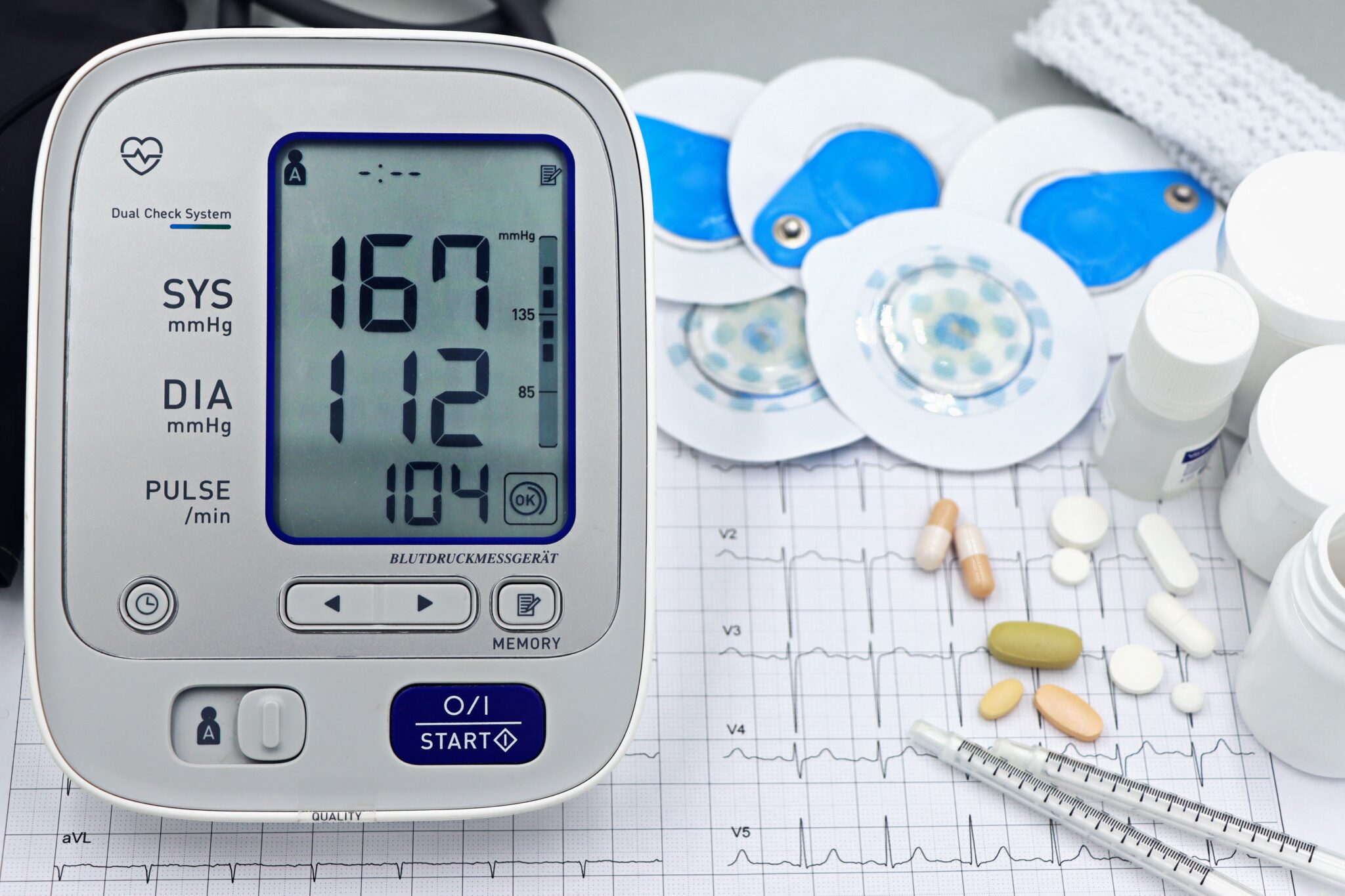
A routine cholesterol test can look reassuring, yet it doesn’t always tell the whole story about your heart health. Your LDL and HDL numbers matter, but they don’t show every detail about the particles moving through your bloodstream. That’s where ApoB and Lp(a) come into the picture, giving doctors a closer look at risks that might otherwise go unnoticed. For people interested in functional medicine and wellness, these two blood markers offer another way to understand cardiovascular health beyond the usual cholesterol numbers. Knowing what they measure can help you have a more informed conversation with your healthcare provider.
Why Your Regular Cholesterol Test May Not Tell the Whole Story
A regular cholesterol test checks your total cholesterol, LDL, HDL, and triglycerides. Doctors look at these numbers to get a sense of your heart health and whether you might benefit from changes to your habits or medication. But there’s a catch. These results don’t show exactly how many cholesterol-carrying particles are moving through your blood, so two people with the same LDL level can still have different levels of heart risk.
That doesn’t mean you should ignore your usual cholesterol test. It gives doctors valuable information, especially when they consider it alongside the following:
- blood pressure
- age
- smoking habits
- family history
The trouble starts when you assume that normal numbers mean everything is fine. In some cases, checking markers such as ApoB and Lp(a) can help uncover risks that a standard test might not pick up.
What ApoB Tells You About Your Heart
Apolipoprotein B, commonly called ApoB, is a protein found on several types of particles that can contribute to plaque buildup in artery walls. These include LDL particles and other cholesterol-carrying particles linked to atherosclerosis. Each of these particles generally carries one ApoB molecule, so measuring ApoB gives doctors an estimate of how many potentially artery-damaging particles are circulating in your blood.
That number can be useful when LDL cholesterol alone doesn’t seem to match the bigger picture. Someone might have an LDL result that looks acceptable but still have a relatively high ApoB level. This suggests that more cholesterol-carrying particles are circulating than the LDL number might lead you to expect. Your doctor can use that information, along with your other risk factors, to decide whether your current prevention plan needs a closer look.
Why Lp(a) Deserves Attention
Lipoprotein(a), usually shortened to Lp(a), is another blood marker worth knowing about. It’s a particle similar to LDL, but it also contains an additional protein called apolipoprotein(a). Higher Lp(a) levels are associated with a greater risk of cardiovascular disease, including heart attacks and certain types of stroke.
One important detail is that Lp(a) levels are largely determined by genetics. Eating well, exercising, and maintaining a healthy weight are still important for your heart, but these habits generally have little effect on Lp(a) levels themselves. That can be frustrating for people who work hard to stay healthy and still discover they have an elevated result. Because levels tend to remain fairly stable throughout adulthood, many experts recommend measuring Lp(a) at least once, particularly when there is a family history of early cardiovascular disease.
Who Should Consider These Additional Tests?
ApoB and Lp(a) testing may be especially helpful for people whose heart risk is difficult to judge from a standard cholesterol panel. This can include individuals with a strong family history of heart disease, people with diabetes or high triglycerides, and those who have experienced cardiovascular problems despite apparently reasonable cholesterol levels. Testing may also help clarify risk when a doctor is deciding how aggressively to manage cholesterol.
Not everyone needs every available blood test, and the right approach depends on personal circumstances. Your healthcare provider can explain whether either marker would add useful information to your existing results. It’s also worth asking how the findings might change your treatment plan before ordering additional tests. A result is most helpful when it leads to a clear discussion about what to do next.
What Happens If Your Results Are High?
An elevated ApoB or Lp(a) result doesn’t mean a heart attack is inevitable. It means there may be another risk factor to consider when planning your long-term care. Depending on your overall health, your doctor may recommend lowering LDL cholesterol, reviewing your blood pressure, improving blood sugar control, or addressing smoking and other modifiable risks.
Lifestyle habits still count, even when genetics plays a major role. The following all support cardiovascular health:
- Regular physical activity
- A balanced eating pattern
- Adequate sleep
- Avoiding tobacco
For people with high Lp(a), managing other risk factors becomes particularly important because there are currently limited options for specifically lowering Lp(a) in routine clinical practice. Your doctor can help determine whether medication or specialist care makes sense for your situation.
Final Word
A standard cholesterol panel provides useful information, but ApoB and Lp(a) can reveal details it may leave out. If you’re exploring functional medicine and wellness, discussing these markers with your healthcare provider can help you build a more complete picture of your heart health. Your results should always be considered alongside your medical history and other risk factors, rather than viewed in isolation. The goal isn’t to chase perfect numbers but to understand your risks and make informed decisions about protecting your heart.