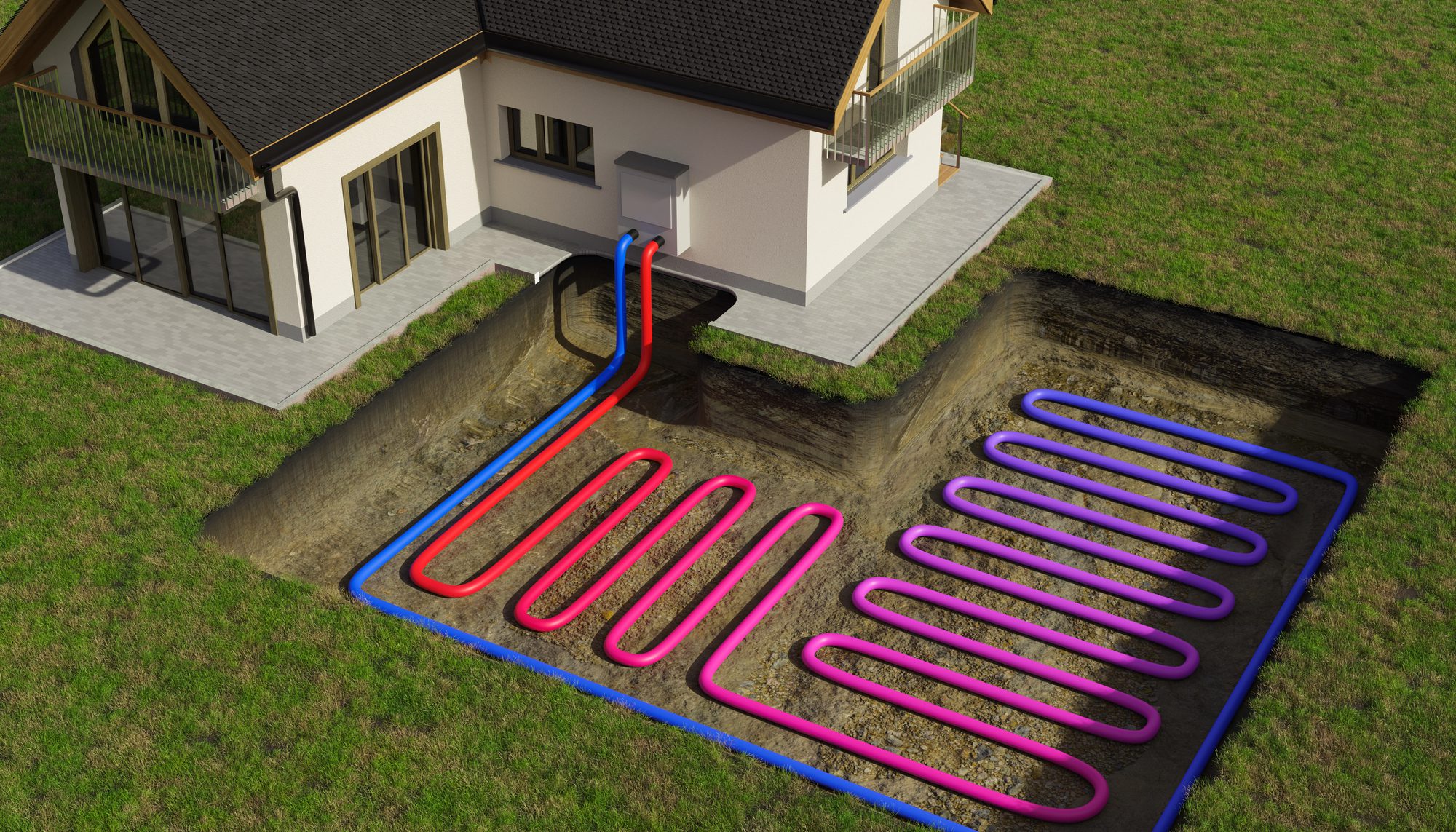
Understanding Efficiency Benefits and Traditional HVAC Comparisons
For homeowners in Hillsboro, OR, embracing a heat pump system represents a significant step towards enhanced home comfort and substantial energy savings. Unlike traditional furnaces that generate heat, or air conditioners that only cool, heat pumps efficiently transfer heat, providing both heating and cooling from a single unit. This dual functionality is particularly well-suited to the Pacific Northwest’s varied climate, offering a year-round solution for maintaining ideal indoor temperatures.
The primary advantage of installing a heat pump is its remarkable operating efficiency. These systems don’t burn fossil fuels to create heat; instead, they move existing heat, which is a far more energy-efficient process. This translates directly into significant heating cost reductions for homeowners. Depending on the type of system and how it’s utilized, heat pumps can lower your heating and cooling bills by an impressive 20% to 80% compared to conventional systems. In fact, a modern heat pump can potentially cut your heating costs in half when stacked against older, less efficient furnaces. This dual-function climate control provides consistent comfort throughout the year, whether it’s a chilly winter morning or a warm summer afternoon.

Many homeowners begin considering a heat pump replacement when their existing HVAC system shows signs of decline. Key replacement indicators include a system age exceeding 10-12 years, which is often when efficiency starts to drop significantly. You might also notice steadily rising utility bills without a corresponding increase in usage, or experience uneven room temperatures, where some areas of your home are consistently warmer or colder than others. These are all clear signals that your current system is struggling and an upgrade could be beneficial.
To illustrate the stark differences, let’s consider a comparison of heating and cooling technologies:
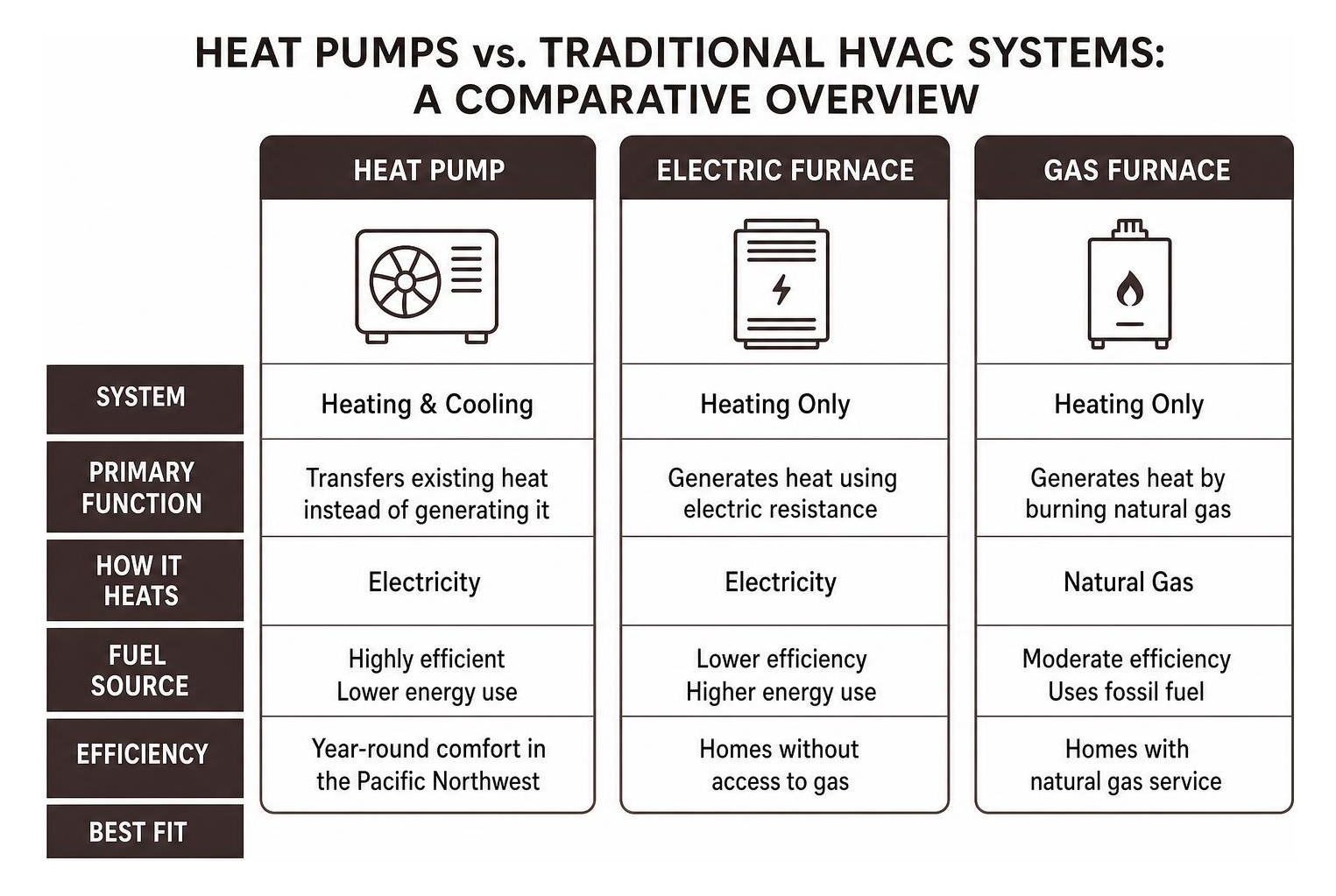
Heat Pumps vs. Traditional HVAC Systems: A Comparative Overview (October 2026)
Feature Heat Pump Electric Furnace Gas Furnace Central Air Conditioner (paired with furnace) Primary Function Heating & Cooling Heating Only Heating Only Cooling Only Energy Source Electricity (moves heat) Electricity (generates heat) Natural Gas/Propane (burns fuel) Electricity (moves heat) Efficiency Very High (transfers heat) Low (100% efficient at converting electricity to heat, but electricity generation is inefficient) Moderate to High (up to 98% AFUE) High (moves heat) Operational Cost Low to Moderate (depending on electricity rates and climate) High (due to direct heat generation) Moderate (depending on gas prices) Moderate Environmental Impact Lower (reduces fossil fuel consumption) Moderate (if electricity from renewables, lower) Higher (emits greenhouse gases) Moderate Year-Round Utility Yes (heating and cooling) No (heating only, needs separate AC) No (heating only, needs separate AC) No (cooling only, needs separate furnace) Comfort Consistent, even heating/cooling Dry heat, can be uneven Consistent, warm heat Consistent, even cooling This comparison highlights why heat pumps are increasingly becoming the preferred choice for homeowners seeking an efficient, environmentally conscious, and cost-effective solution for year-round climate control in Hillsboro.
Primary Factors Driving Affordable Hillsboro Heat Pump Installation Costs
Understanding the investment required for a new heat pump system is crucial for Hillsboro homeowners. While the term “affordable” is relative, we focus on identifying the key variables that influence the final cost, allowing you to make informed decisions and potentially manage your budget effectively. The cost of heat pump installation in Oregon can vary significantly, typically ranging from $6,000 to $12,000 or more, depending on several factors. Nationally, the average cost for a heat pump installation generally falls between $4,000 and $12,000, with many homeowners investing approximately $5,000 to $8,500 for a system in a 2,000 square foot home.
Several primary factors contribute to the overall expense:
- Home Square Footage and System Size: Naturally, larger homes require more powerful heat pump systems to effectively heat and cool the space. A system designed for a 2,000-square-foot home will differ in capacity and cost from one needed for a 3,500-square-foot residence. Proper sizing, often determined by a Manual J load calculation, is critical for both efficiency and comfort. An undersized unit will run constantly and struggle, while an oversized one will cycle too frequently, leading to inefficiency and premature wear.
- Type of Heat Pump: As we will discuss, there are various types of heat pumps (ducted, ductless, geothermal, etc.), each with different equipment costs and installation complexities.
- Existing Ductwork Condition: If your home already has a functional, well-sealed ductwork system, the installation cost will be lower. However, if ducts need extensive repairs, modifications, or entirely new installation (common in homes converting from baseboard heating or for ductless systems), this will add significantly to the overall project expense. Leaky or poorly designed ductwork can also severely diminish a heat pump’s efficiency, making duct inspection and sealing a worthwhile investment.
- Electrical Capacity Upgrades: Modern heat pumps, especially larger models, may require dedicated electrical circuits or even an upgrade to your home’s electrical panel. An older home with limited electrical service might incur additional costs for electrical work to support the new system safely and efficiently.
- Installation Complexity: Factors like the location of the outdoor unit, the accessibility of indoor components, the need for new refrigerant lines, or structural modifications can increase labor time and, consequently, the cost. A straightforward replacement of an existing system will generally be less expensive than a complete new installation or conversion.
- Labor Rates: Hillsboro, like any community, has prevailing labor rates for skilled HVAC technicians. These rates can vary between different installers, reflecting their experience, certifications, and business overhead.
- Washington County Permitting: All major HVAC installations in Hillsboro, OR, require permits from Washington County to ensure compliance with local building codes and safety standards. The cost of these permits, along with the necessary inspections, is a standard part of the installation process.
When seeking an optimal balance between quality and cost for your home’s climate control, understanding these factors is key. For more detailed information on navigating these expenses and finding solutions that fit your budget, you can learn more about affordable Hillsboro heat pump installation. This resource can provide further insights into making a cost-effective decision for your home.
System Types, Efficiency Benchmarks, and Maintenance Expectations
Choosing the right heat pump involves understanding the different types available and what makes a system truly efficient and long-lasting. For Hillsboro residents, this knowledge is paramount to ensuring optimal comfort and value.
Evaluating Options for Affordable Hillsboro Heat Pump Installation
When considering a heat pump, you’ll encounter a few primary types, each suited to different home configurations and needs:
- Ducted Heat Pumps (Central Systems): These are the most common type, integrating with your existing ductwork to distribute conditioned air throughout your entire home. They are ideal for homes already equipped with a central furnace and duct system, offering whole-house heating and cooling from a single outdoor unit.
- Ductless Mini-Splits: Perfect for homes without existing ductwork, additions, or for zoning specific areas, ductless mini-splits consist of an outdoor compressor/condenser and one or more indoor air-handling units. Each indoor unit can control the temperature in its zone independently, offering flexible and highly efficient temperature management. They are particularly popular for their adaptability and ability to provide targeted comfort.
- Cold-Climate Models: Given the Pacific Northwest’s occasional freezing temperatures, advancements in heat pump technology have led to specialized cold-climate heat pumps. These units are designed to operate efficiently at much lower outdoor temperatures (down to -15°F or even lower) without relying heavily on supplemental electric resistance heating. This makes them a robust and reliable option for year-round comfort in Hillsboro.
- Multi-Zone Configurations: Both ducted and ductless systems can be set up in multi-zone configurations, allowing different areas of your home to be heated or cooled to different temperatures simultaneously. This enhances comfort and can lead to further energy savings by not conditioning unoccupied spaces.
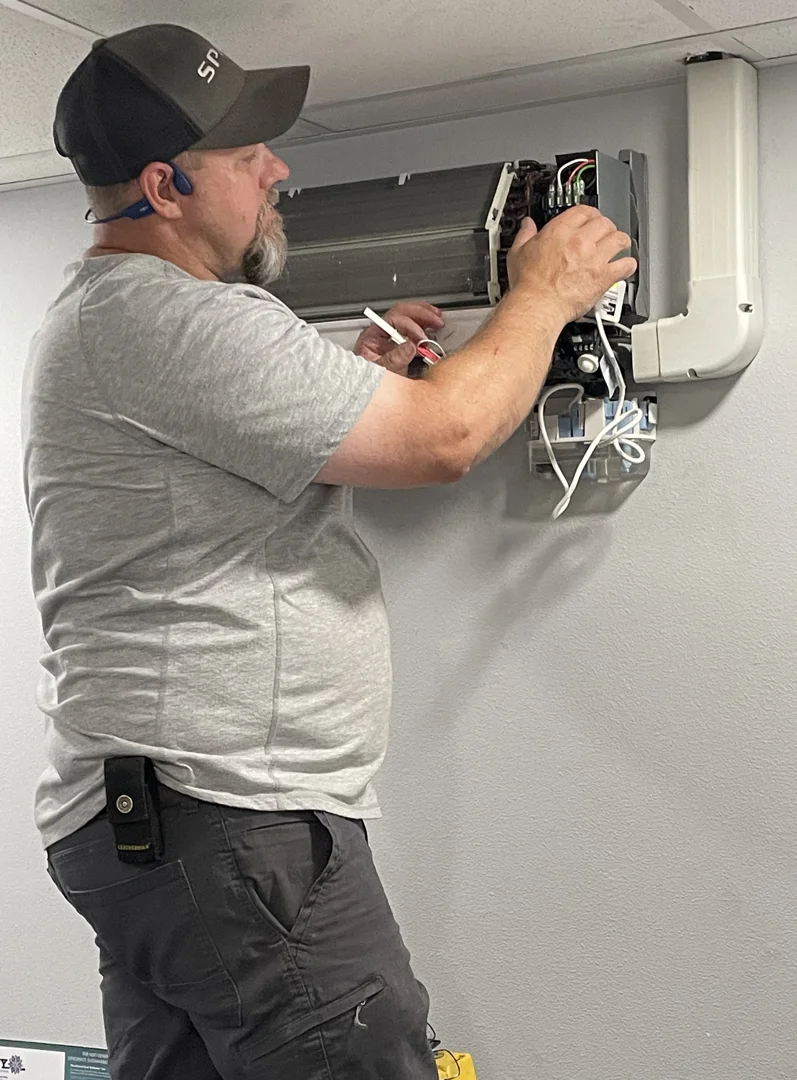
Critical Performance Standards and Equipment Longevity
When investing in a heat pump, understanding performance metrics is essential for ensuring long-term efficiency and compliance with local standards.
- HSPF (Heating Seasonal Performance Factor): This rating measures a heat pump’s heating efficiency over an entire heating season. For Oregon, a heat pump with an HSPF of 10.0 or higher is recommended to meet energy efficiency standards and align with the 2021 Oregon Residential Specialty Code. Higher HSPF values indicate greater heating efficiency and lower operating costs.
- SEER2 (Seasonal Energy Efficiency Ratio 2): This rating measures a heat pump’s cooling efficiency. As of January 2023, new federal regulations updated the testing procedures, leading to the SEER2 standard. A higher SEER2 rating indicates more efficient cooling performance.
- Variable-Speed Compressors: Many high-efficiency heat pumps feature variable-speed compressors, which can adjust their output to precisely match your home’s heating and cooling needs. Unlike single-stage systems that are either “on” or “off,” variable-speed units run at lower speeds for longer durations, providing more consistent temperatures, better humidity control, and significantly quieter operation.
Regarding lifespan, a heat pump can last between 10 to 15 years on average. However, with proper care and high-quality models, some systems can last up to 20 years. This longevity is heavily dependent on consistent maintenance.
Maintenance Expectations: To maximize your heat pump’s lifespan and efficiency, bi-annual maintenance is strongly recommended. This typically involves:
- Coil Cleaning: Ensuring the indoor and outdoor coils are free from dirt and debris is crucial for efficient heat transfer.
- Airflow Filtration: Regular replacement of air filters (every 1-3 months, depending on usage and household conditions) is vital for maintaining good indoor air quality and preventing strain on the system.
- Refrigerant Level Checks: Proper refrigerant charge is essential for optimal performance.
- Electrical Connection Inspections: Ensuring all electrical components are secure and functioning correctly.
- Drainage Clearances: Checking and clearing condensate drains to prevent water damage and mold growth.
Adhering to a preventative maintenance schedule not only extends the life of your unit but also ensures it operates at peak efficiency, saving you money on energy bills and preventing costly breakdowns.
Navigating Rebates, Tax Credits, and Contractor Selection in Washington County
Making a heat pump affordable often involves leveraging available financial incentives and choosing the right professional for the job. For Hillsboro homeowners, understanding these avenues is key to a successful and cost-effective installation.
Securing Incentives for Affordable Hillsboro Heat Pump Installation
The landscape of energy efficiency incentives is robust, especially in October 2026, offering significant opportunities to reduce the upfront cost of your heat pump.
- Federal Tax Credits via the Inflation Reduction Act (IRA): The Inflation Reduction Act, passed in 2022, provides substantial incentives for homeowners who install high-efficiency heat pumps. Homeowners can potentially claim a federal tax credit of up to $2,000 for qualifying heat pump installations. This credit typically covers 30% of the cost of the equipment and installation, up to the maximum limit, and applies to systems that meet specific energy efficiency criteria. It’s important to consult with a tax professional and verify the most current eligibility requirements.
- Energy Trust of Oregon: This independent non-profit organization provides cash incentives for energy-efficient upgrades, including heat pump installations, to customers of Portland General Electric (PGE), Pacific Power, NW Natural, and Cascade Natural Gas. These incentives can significantly offset installation costs. The specific amounts can vary based on the heat pump’s efficiency rating and the type of home.
- Utility Cash Incentives: Beyond Energy Trust, your local utility provider (PGE, Pacific Power, etc.) may offer additional rebates or programs. It’s always wise to check directly with your utility for the most current offerings.
- State Energy Programs: Oregon periodically offers state-level programs or grants for energy efficiency improvements. Keeping an eye on the Oregon Department of Energy’s website can provide information on any new initiatives.
To help you prepare, here are common elements typically required for rebate qualification:
- [LIST] of Rebate Qualification Requirements:Proof of purchase and installation by a qualified contractor.
- Detailed invoices showing equipment model numbers and efficiency ratings (HSPF, SEER2).
- Completion of necessary forms provided by the incentive program.
- Proof of utility account in good standing.
- Adherence to specific efficiency minimums (e.g., HSPF 10.0+, SEER2 16.0+).
- Installation within the program’s service territory and timeframe.
- Often, a home energy audit may be recommended or required.
Always confirm the latest eligibility criteria and application processes directly with the relevant organizations, as programs can change.
Selecting Qualified Local HVAC Specialists
Choosing the right installer is as critical as selecting the right heat pump. A professional, experienced contractor ensures proper sizing, installation, and long-term performance of your system. Here’s what to look for in Washington County:
- Contractor Licensing and Oregon CCB Status: Verify that any contractor you consider is properly licensed by the Oregon Construction Contractors Board (CCB). This ensures they meet state requirements for competency and financial responsibility. Ask for their CCB license number and check its validity online.
- Manual J Load Calculations: A reputable installer will perform a detailed Manual J load calculation for your home. This scientific method determines the precise heating and cooling needs of your house, ensuring your new heat pump is perfectly sized for optimal efficiency and comfort, avoiding the pitfalls of oversized or undersized systems.
- Warranty Coverage: Inquire about equipment warranties (from the manufacturer) and labor warranties (from the installer). A strong labor warranty indicates the contractor stands behind their work. Understand what is covered and for how long.
- Local Experience: A contractor with experience in Hillsboro and the surrounding Washington County area will be familiar with local climate considerations, building codes, and permitting processes, streamlining your installation.
- References and Reviews: Check online reviews and ask for local references. Hearing from other homeowners about their experiences can provide valuable insight into a contractor’s reliability, professionalism, and quality of work.
By carefully vetting your installer and proactively seeking out available incentives, you can ensure your heat pump installation is not only affordable but also a sound, long-term investment in your Hillsboro home’s comfort and energy efficiency.
Frequently Asked Questions About Hillsboro Heating Upgrades
As homeowners in Hillsboro consider upgrading their heating and cooling systems, several common questions often arise. We’ve compiled answers to some of the most pertinent inquiries to help clarify the decision-making process.
How long does a standard heat pump last in the Pacific Northwest?
In the Pacific Northwest, a standard heat pump typically has an expectancy of 10 to 15 years. However, with diligent annual preventative servicing and proper maintenance, many high-quality models can extend their operational life to 20 years or even more. The lifespan is significantly influenced by factors such as the quality of the initial installation, the frequency and thoroughness of maintenance, and the demands placed on the system (e.g., how often it runs, extreme weather conditions). Manufacturer warranties usually cover major components for a specific period, often 5-10 years, which can provide peace of mind during the earlier stages of ownership. Regular check-ups help identify and address minor issues before they escalate into costly repairs, preserving the system’s longevity.
Will a heat pump keep a Hillsboro home warm during freezing winter days?
Yes, modern heat pumps are highly capable of keeping a Hillsboro home warm even during freezing winter days. Advancements in cold-climate technology have significantly improved their performance in lower temperatures. While older models might have seen a drop in efficiency around 30-40°F, today’s cold-climate heat pumps can provide continuous heat output efficiently down to 0°F, and some even perform effectively at temperatures as low as -15°F or colder.
For periods of extreme cold, many heat pump systems are equipped with supplemental electric resistance heating. This auxiliary heat source automatically kicks in when outdoor temperatures drop below a certain threshold, ensuring your home remains comfortably warm regardless of how low the mercury drops. The system is designed to seamlessly switch between the heat pump’s primary heating mode and the supplemental heat as needed, providing reliable warmth throughout the winter.
What are the clearest signs an existing HVAC system should be replaced?
Recognizing the signs that your existing HVAC system is nearing the end of its useful life can help you plan for a replacement proactively, avoiding unexpected breakdowns and discomfort. Here are some of the clearest indicators that it might be time for an upgrade:
- Frequent Repair Calls: If you find yourself calling for repairs multiple times a year, the cost of these ongoing fixes can quickly add up, often approaching the cost of a new system. This signals that components are wearing out and the system is becoming unreliable.
- 12+ Years of Operation: Most traditional HVAC systems are designed to last between 10 to 15 years. If your system is 12 years old or older, it’s likely operating less efficiently than newer models and is more prone to breakdowns. Even if it’s still working, its efficiency may be significantly lower than modern heat pumps.
- Escalating Monthly Bills: A noticeable and unexplained increase in your energy bills, especially for heating and cooling, is a strong indicator that your system is losing efficiency. Older units have to work harder to maintain desired temperatures, consuming more energy in the process.
- Inconsistent Airflow or Uneven Temperatures: If certain rooms are always too hot or too cold, or if you notice weak airflow from your vents, it could point to a failing system, ductwork issues, or a system that is no longer properly sized for your home’s needs. A new, properly sized heat pump can provide more consistent and comfortable temperatures throughout your entire home.
- Unusual Noises or Odors: Strange noises (grinding, squealing, banging) or persistent musty/burning odors coming from your system are red flags that internal components are failing or there’s an electrical issue.
Addressing these signs promptly can save you money in the long run and improve your home’s overall comfort and energy performance.
Conclusion
Embarking on the journey of affordable heat pump installation in Hillsboro, OR, is an investment that promises significant long-term utility savings and enhanced home comfort. By understanding the myriad benefits, from substantial energy cost reductions to year-round climate control, homeowners can make informed decisions that align with their budgetary and comfort goals. We’ve explored the key factors influencing installation costs, the diverse types of heat pumps available, and the critical performance benchmarks that ensure efficiency and longevity.
Furthermore, we’ve highlighted the invaluable role of government incentives and local utility rebates in making these advanced systems more accessible. By strategically utilizing programs like federal tax credits through the Inflation Reduction Act and local incentives from Energy Trust of Oregon, the upfront investment becomes considerably more manageable. Finally, selecting a qualified, experienced local HVAC specialist is paramount to a successful installation, guaranteeing that your new system is perfectly sized, expertly installed, and backed by comprehensive warranties. With careful planning and informed choices, Hillsboro homeowners can confidently upgrade to a high-efficiency heat pump, enjoying a more comfortable, energy-efficient, and sustainable home for years to come.
photo by depositphotos