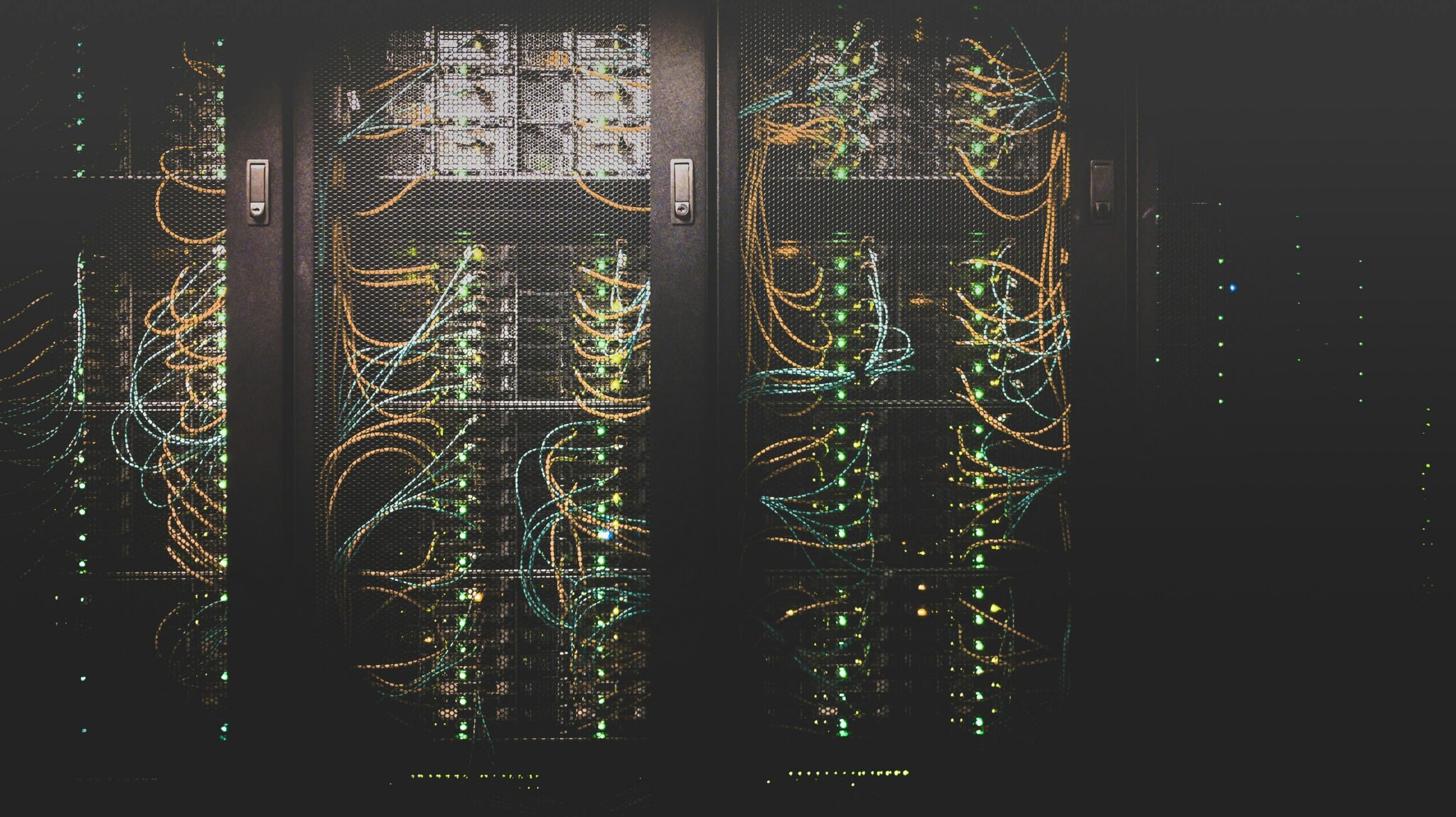
Photo by Taylor Vick on Unsplash
Data centres are among the most technically demanding buildings in the modern construction landscape, and getting their design right has enormous implications for performance, energy efficiency, and long-term operational costs. For organisations planning a new facility or a major upgrade, specialist guidance is essential. Teams like the Mitchell McDermott’s consultants bring together engineering, sustainability, and project management expertise to help clients navigate the entire development process from initial brief to operational handover. This article outlines the key disciplines involved in data centre design and explains why specialist consultancy input is critical at every stage.
Power Systems Design and Resilience
The electrical infrastructure of a data centre is arguably its most critical component. Facilities must be capable of delivering uninterrupted power to IT equipment at all times, which requires careful design of the medium- and low-voltage distribution systems, uninterruptible power supply units, and standby generator infrastructure. A specialist consultant works with the client to determine the required resilience tier, ranging from basic single-path infrastructure to fully fault-tolerant systems with concurrent maintainability. Getting the power design right from the outset avoids expensive modifications later and ensures that the facility can meet its uptime commitments to end users and tenants.
Cooling and Thermal Management
Managing heat generation is one of the most significant engineering challenges in data centre design. Modern high-density computing equipment generates substantial amounts of heat, and inadequate cooling can lead to equipment failure, unplanned outages, and significant financial losses. Specialist consultants evaluate a range of cooling approaches, including air-based systems, liquid cooling, and immersion cooling, and select the most appropriate solution based on the IT load density, site constraints, and energy-efficiency targets. Effective thermal management not only protects IT equipment but also plays a major role in reducing the facility’s overall power usage effectiveness, a key performance indicator for operators and occupiers.
Tier Classification and Availability Targets
The Uptime Institute Tier Classification system provides a widely recognised framework for defining the availability and resilience of data centre infrastructure. Tier I facilities offer basic capacity with limited redundancy, while Tier IV facilities provide fully fault-tolerant infrastructure capable of sustained 99.995 per cent availability. Choosing the appropriate tier level for a new facility requires careful analysis of the business criticality of the workloads to be hosted, the cost implications of higher-tier construction, and the expectations of potential tenants or end users. A specialist consultant helps clients make this decision objectively and ensures the design is executed to meet the target tier standard genuinely.
Sustainability and Energy Efficiency
Data centres are large consumers of electricity, and the industry faces growing pressure to reduce its environmental footprint. A specialist consultant advises on the integration of renewable energy sources, the optimisation of power usage effectiveness, the use of waste heat recovery systems, and the achievement of relevant sustainability certifications. Many hyperscale and colocation operators now have binding commitments to carbon neutrality, and new facilities are expected to reflect these ambitions in their design from the outset. Embedding sustainability into the design brief from day one is far more cost-effective than retrofitting green credentials after a facility has been built.
Site Selection and Infrastructure Due Diligence
The location of a data centre has far-reaching implications for its performance, cost, and long-term viability. Factors including grid connection availability and capacity, fibre connectivity, flood risk, natural hazard exposure, and local planning policy all need to be assessed before a site is confirmed. A specialist consultant conducts a thorough infrastructure due diligence process to identify any constraints or risks associated with a proposed site, providing the client with an objective basis for their investment decision. Sites that appear attractive on a headline basis sometimes have hidden constraints that significantly increase development cost or reduce operational flexibility.
Project Delivery and Commissioning
Delivering a data centre project on time and within budget requires experienced programme management and a structured commissioning approach. Unlike conventional buildings, data centres cannot simply be handed over at practical completion. They require a rigorous programme of integrated systems testing to verify that all mechanical, electrical, and IT infrastructure systems perform correctly both individually and in combination under realistic operational conditions. A specialist consultant manages this commissioning process, coordinates with equipment vendors and system integrators, and ensures that the completed facility meets the client’s performance standards before it is placed into live service.