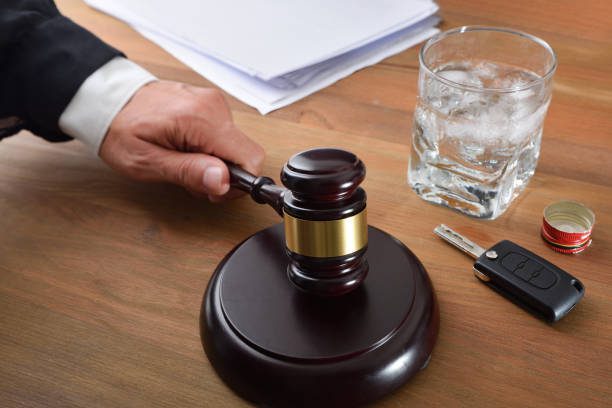
A company vehicle accident involving an employee who has been drinking can create potentially severe legal, financial, and reputational consequences for an employer. Although the driver may face personal criminal and civil consequences, the business may also be drawn into claims for injuries, deaths, and property damage.
When DUI accidents happen during work-related driving, injured people may pursue compensation from both the driver and the employer. A company may be responsible under vicarious liability rules if the employee was acting within the scope of employment, such as making deliveries, visiting clients, or completing an assigned errand.
When Can an Employer Be Liable?
In many jurisdictions, the legal doctrine known as respondeat superior can make an employer liable for an employee’s wrongful conduct during work duties. A worker’s intoxication does not necessarily remove the trip from the scope of employment; courts may still examine why the employee was driving and whether the journey served company business. By contrast, a substantial personal detour may weaken or defeat a vicarious liability claim, depending on local law and the facts.
Employers may also face direct negligence claims. These can arise if a company knowingly allows an employee with a known drinking problem or unsafe driving history to operate a vehicle, fails to check driving records where appropriate, ignores warning signs, or inadequately enforces safety rules. Evidence that managers knew about a risk and did nothing may make the company’s conduct a central issue in litigation.
Financial and Operational Consequences
A crash can expose a business to claims for medical expenses, lost income, pain and suffering, property damage, or wrongful death. Depending on the policy language and applicable law, commercial auto insurance may cover some losses, but exclusions, limits, deductibles, and disputes over coverage can affect how much protection is available. If damages exceed insurance limits, the company may have to pay additional costs from its own resources.
Legal fees, staff time, vehicle replacement, missed deliveries, higher future premiums, regulatory scrutiny, and damage to customer trust can disrupt operations.
Steps Employers Can Take
Prevention should begin with a written vehicle-use and alcohol policy that clearly prohibits driving while impaired. Employers should communicate the rules, train staff and supervisors, verify that drivers hold appropriate licenses, and review driving records when legally permitted. Policies should explain how employees can report concerns and arrange safe transport when alcohol may be involved at a work event.
Companies should also maintain vehicles, document driver training, investigate safety complaints, and apply disciplinary rules consistently. After a collision, the employer should prioritize emergency assistance, notify its insurer, preserve relevant records, and cooperate with lawful investigations. It should avoid altering documents or speculating publicly about fault and obtain advice from qualified counsel familiar with the applicable jurisdiction.
Key Takeaways
- Employers may share liability when an employee causes a crash while performing work duties, even if intoxication was unauthorized.
- Liability depends on the scope of employment, company knowledge, vehicle-use practices, and local law.
- Insurance may reduce financial exposure, but exclusions and policy limits matter.
- Clear policies, driver screening, training, reporting procedures, and consistent enforcement help reduce risk.
- After an incident, preserve evidence, notify insurers, support affected people, and seek legal guidance.
Ultimately, a company vehicle is not a shield against responsibility, nor does ownership alone guarantee employer liability. The strongest protection is a documented safety program that prevents impaired driving, responds promptly to concerns, and treats every report seriously. Because employment, motor vehicle, and insurance laws differ across jurisdictions, businesses should obtain local legal advice to assess their obligations and review their fleet policies regularly.