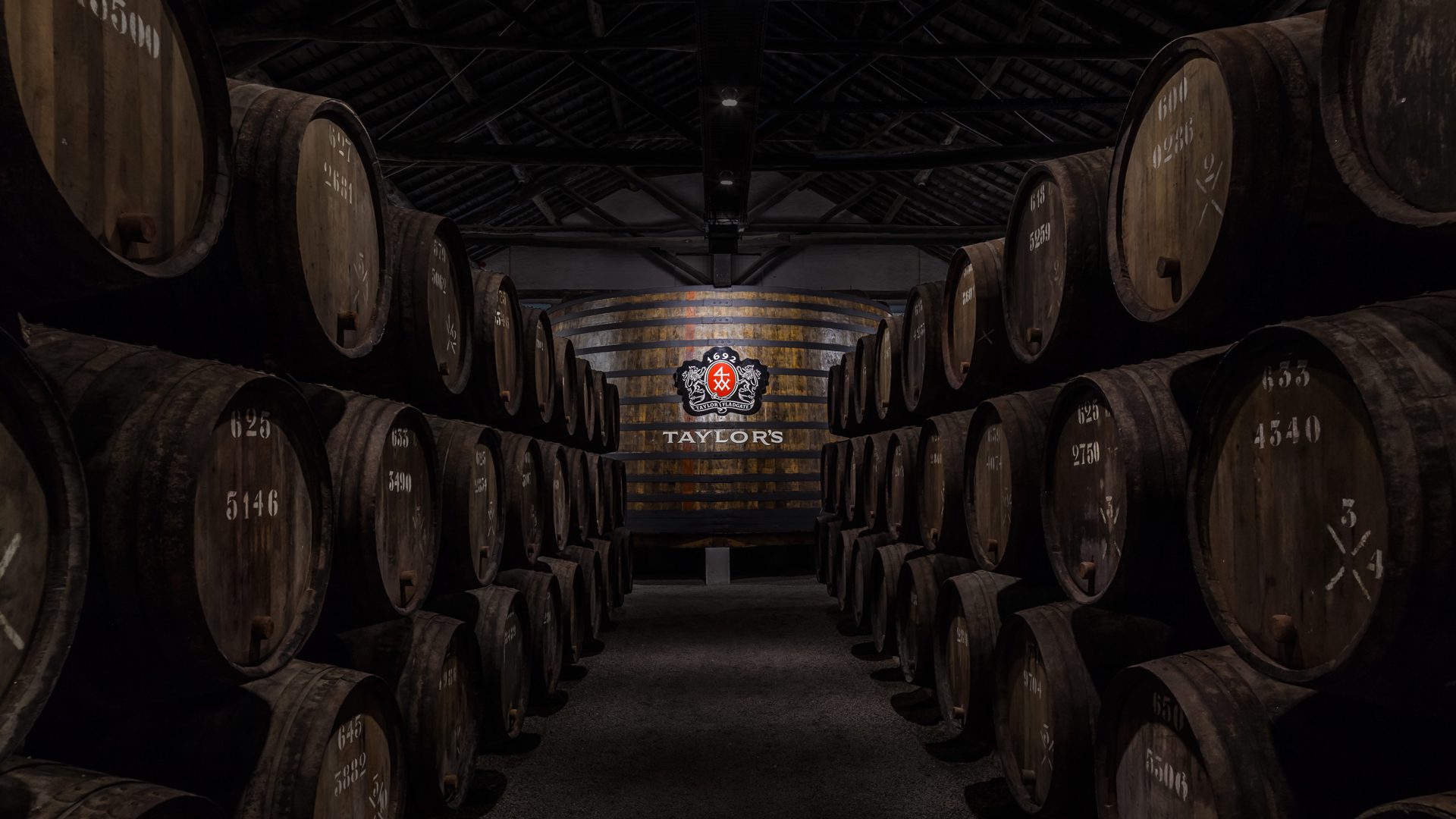
From exceptional vintages to century-old reserves, CEO Adrian Bridge reveals why the world’s finest Ports are becoming a compelling expression of generational wealth, heritage, and the art of collecting.
In the rarefied world of luxury collecting, where investment-grade watches, fine art, vintage automobiles, and exceptional wines have become tangible expressions of wealth, one category offers a particularly intriguing proposition: rare Vintage Port. With a history measured in centuries, a production philosophy rooted in selectivity, and an extraordinary capacity to age, the finest Ports occupy a distinctive position at the intersection of collectible assets and family legacy.
At the forefront of this tradition is Fladgate Family Wines, the Portuguese wine group behind the historic Taylor Fladgate, Fonseca, and Croft Port houses. Under the leadership of CEO Adrian Bridge, the company is preserving centuries of winemaking heritage while positioning exceptional Port for a new generation of collectors who increasingly value provenance, authenticity, and experiences that transcend material ownership.
For Bridge, the appeal of rare Port extends far beyond the potential for financial appreciation. It is about owning something that can outlive its original purchaser, become part of a family’s story, and ultimately be shared across generations.
The Art of Scarcity: Why Vintage Port Is Different
In the world of collectible wines, scarcity is often associated with limited vineyard acreage, exceptional terroir, and the reputation of individual producers. Vintage Port introduces another dimension: the decision to declare a vintage only when the quality of a particular harvest meets exacting standards.
Unlike wines produced as vintage-designated offerings every year, classic Vintage Port is reserved for exceptional harvests, creating natural intervals between declarations.
“For collectors new to Vintage Port, one of its defining characteristics is that classic Vintage Port is declared only in exceptional years. We make that decision carefully, with a focus on balance, structure and long-term aging potential,” explains Bridge.
“Vintage Port is among the world’s longest-lived wines, and the finest examples often reflect the legacy of vineyards planted by previous generations.”
This discipline is central to Fladgate’s identity. Its recently declared 2024 Vintage Ports mark the first simultaneous declaration across Taylor Fladgate, Fonseca, and Croft in seven years, underscoring the selectivity behind the group’s most prestigious releases.
“Our 2024 declaration across Taylor Fladgate, Fonseca and Croft, the first across all three houses in seven years, is a reflection of that discipline and selectivity,” says Bridge. “We see our role as stewards of these historic houses, with a responsibility to honor their heritage while preserving their distinct character and style.”
For collectors, this philosophy provides an important distinction. While scarcity alone does not guarantee appreciation, the combination of limited exceptional vintages, historical reputation, and long-term aging potential creates the characteristics that make certain wines desirable in the secondary market.



The 2024 Vintage: A New Chapter for Collectors
The release of Fladgate’s 2024 Vintage Ports arrives at an interesting moment for the global fine-wine market. While broader wine consumption faces pressure, the premium segment continues to attract interest from collectors seeking exceptional quality and established provenance.
During Fladgate’s September 2026 harvest briefing, Bridge acknowledged that global Port sales had declined approximately 10% in both volume and value by June, reflecting economic uncertainty, trade concerns, and cautious consumer spending.
Yet the market tells a more nuanced story.
While overall Port volumes have been declining over the longer term, Bridge noted that the higher-quality end of the category has demonstrated greater resilience and growth.
“We’re seeing the interest in port, particularly quality, growing,” he observed, highlighting emerging opportunities in Asia and sub-Saharan Africa alongside established international markets.
The 2024 releases have also generated encouraging critical attention. Bridge cited scores of 97 points or higher from wine critic James Suckling for the group’s wines, while reporting positive momentum surrounding the en primeur launch.
For collectors, purchasing at release can provide an opportunity to acquire wines with a clear provenance and establish a cellar intended to mature over decades.
However, fine wine remains a specialized and relatively illiquid collectible market. Long-term value depends on producer reputation, vintage quality, storage conditions, bottle authenticity, market demand, and the costs associated with ownership and eventual resale.
The attraction of Vintage Port is therefore best understood through two lenses: its potential collectible value and the exceptional experience of eventually opening a bottle at its peak.
The Ultimate Luxury: A Wine That Can Outlive Its Owner
Few luxury purchases are conceived with a time horizon extending beyond a single lifetime. Vintage Port is one of the exceptions.
Properly stored, the finest examples can evolve over many decades, creating an unusual opportunity for collectors to build a collection that carries personal and historical significance.
“In my view, collectible Port is about much more than financial appreciation. As people build wealth, many look for ways to spend it on things with lasting value and significance,” Bridge explains.
“Port creates a meaningful connection to time, family and tradition. A bottle can be laid down for a child to enjoy when they come of age or passed down as an extraordinary drink from the year they were born.”
For family offices and multigenerational wealth holders, this concept introduces an appealing dimension to the traditional definition of legacy assets.
A collection of Vintage Ports might commemorate the birth years of children and grandchildren, important family milestones, or significant moments in the history of a family enterprise.
Unlike an investment portfolio measured primarily by returns, a wine collection can acquire emotional value that increases with the passage of time.
“It can evoke a memory, mark a celebration and remain relevant throughout a person’s lifetime and beyond for future generations,” Bridge adds.
In this sense, a rare bottle of Port is not simply an asset to be preserved. It is an experience waiting for the right moment to be realized.
Beyond Vintage: The Extraordinary World of Century-Old Port
While Vintage Port is prized for its ability to develop over decades in bottle, Fladgate’s expertise also extends to another extraordinary category: aged Tawny and White Ports matured for extended periods in wood.
In July 2026, Taylor Fladgate introduced an 80-year-old White Port, a remarkable expression of the group’s historical reserves and expertise in long-term maturation.
During the September harvest discussion, head winemaker David Guimaraens described the painstaking process of assembling the blend, which incorporates exceptionally old wines, including a component dating back to 1896.
For collectors accustomed to the rarity of historic whisky, Cognac, and other aged spirits, such releases demonstrate the remarkable depth of Portugal’s Port cellars.
Guimaraens described the privilege of working with wines preserved by previous generations of winemakers, some originating long before today’s custodians were born.
Bridge emphasized that the significance of these wines lies not only in their extraordinary age but in the experience they create.
When a family opens an 80-year-old Port, the occasion becomes part of its own history, connecting the craftsmanship of the past with the memories being created in the present.
For luxury collectors, such bottles represent a different proposition from young Vintage Ports purchased for long-term cellaring. They offer immediate access to an exceptional aged wine whose rarity reflects both historical inventory and decades of stewardship.
Preserving the Asset: Climate Change, Craftsmanship, and Innovation
For an asset whose value is so closely tied to agricultural heritage, environmental conditions are inseparable from long-term quality.
The 2026 harvest offered a vivid illustration of the challenges facing historic wine regions.
According to Guimaraens, the Douro experienced an unusually wet winter followed by accelerated growing conditions and extreme summer temperatures. Harvesting began significantly earlier than normal, with white grapes picked as early as August 13.
Temperatures exceeding 40 degrees Celsius, followed by rain and renewed heat, forced Fladgate’s vineyard teams to make rapid decisions about which parcels to harvest first.
The challenge was not simply producing sufficient quantities of wine, but protecting the quality of the fruit destined for the group’s most important labels.
Guimaraens highlighted the strong performance of Touriga Nacional and Tinto Cão, two grape varieties central to the character and structure of the group’s Ports.
Meanwhile, head viticulturist Pedro Barbosa described experiments involving delayed pruning, artificial shading, and mechanical harvesting, alongside trials involving agricultural drones.
These initiatives reflect an increasingly sophisticated approach to protecting vineyard quality in a changing climate.
For collectors, the implications are significant. The long-term desirability of exceptional wines depends not only on historical prestige but on the ability of producers to maintain quality and consistency under evolving environmental conditions.
Fladgate has also invested in sustainability initiatives, including lighter glass bottles and expanded solar power capacity. Bridge reported that the group’s photovoltaic installations are expected to generate electricity equivalent to approximately 106% of its wine operations’ annual electricity requirements over a full year.
Such investments illustrate how the preservation of traditional luxury products increasingly depends on modern technology, operational efficiency, and environmental stewardship.



Rare Port as an Alternative Collectible Asset
For investors and family offices considering tangible assets beyond conventional financial markets, collectible wine presents an unusual combination of scarcity, cultural significance, and discretionary luxury.
Rare Vintage Port shares several characteristics with other established collectible categories: distinguished producers, identifiable production years, documented provenance, limited availability, and an international community of enthusiasts.
Yet Port also has characteristics that distinguish it from many other fine wines.
Its exceptional longevity can accommodate multidecade collecting strategies, while the tradition of selective vintage declarations creates meaningful distinctions between harvest years.
A thoughtful collector might focus on landmark vintages from historic houses, acquire original cases through established merchants, and maintain meticulous records of storage and provenance.
Professional storage is especially important, as improper conditions can compromise both wine quality and resale value. Auction fees, insurance, storage costs, and differences between retail and secondary-market prices must also be considered.
Unlike publicly traded securities, fine wine does not generate income, and appreciation is never assured. Its value can fluctuate considerably, with a limited buyer pool for some releases.
For this reason, rare Port may be most compelling as a passion-driven collectible within a broader portfolio of lifestyle assets, rather than a substitute for traditional investments.
The strongest collecting rationale is often the simplest: acquire bottles that would be meaningful to own and enjoyable to drink, even if they are never sold.
The Future of Luxury Is Generational
As the global luxury market evolves, the definition of value is expanding beyond exclusivity and price. Increasingly, discerning consumers are seeking objects and experiences that embody craftsmanship, authenticity, and a meaningful connection to history.
Fladgate’s approach to Vintage Port reflects this broader transformation.
By preserving the distinct identities of Taylor Fladgate, Fonseca, and Croft while investing in modern viticulture and sustainable production, Bridge is pursuing a strategy that balances commercial relevance with long-term stewardship.
The 2024 Vintage declaration is a reminder that true luxury is not necessarily about producing more. Sometimes, it is about knowing when not to produce at all.
And in an era when wealth is frequently measured through digital accounts, market valuations, and increasingly intangible assets, a bottle of exceptional Vintage Port offers something refreshingly physical: a carefully preserved expression of place, time, and human craftsmanship.
For Bridge, its ultimate value is realized not necessarily at auction, but at the family table.
A bottle purchased today may eventually be opened to celebrate a wedding, a milestone birthday, or the arrival of a new generation. Its financial worth may rise or fall, but its personal significance can become immeasurable.
In a world obsessed with immediate returns, rare Vintage Port makes a compelling case for a different kind of investment: one measured not only in wealth accumulated, but in memories preserved and legacies shared.