Health history, distance from care, and cost all shape how safely a mother recovers from combined cosmetic surgery.
Pregnancy changes a woman’s body in ways that diet and exercise cannot always reverse. Loose abdominal skin, separated stomach muscles, and breasts that sag after nursing often remain years after a child is born. Many mothers accept those changes. Some look into surgery.
For Native mothers, the decision carries added weight. Chronic health conditions, long drives to specialty care, and the limits of Indian Health Service coverage all affect how safe the procedure will be. Those factors deserve attention well before a mother pays a deposit.
What the Surgery Involves
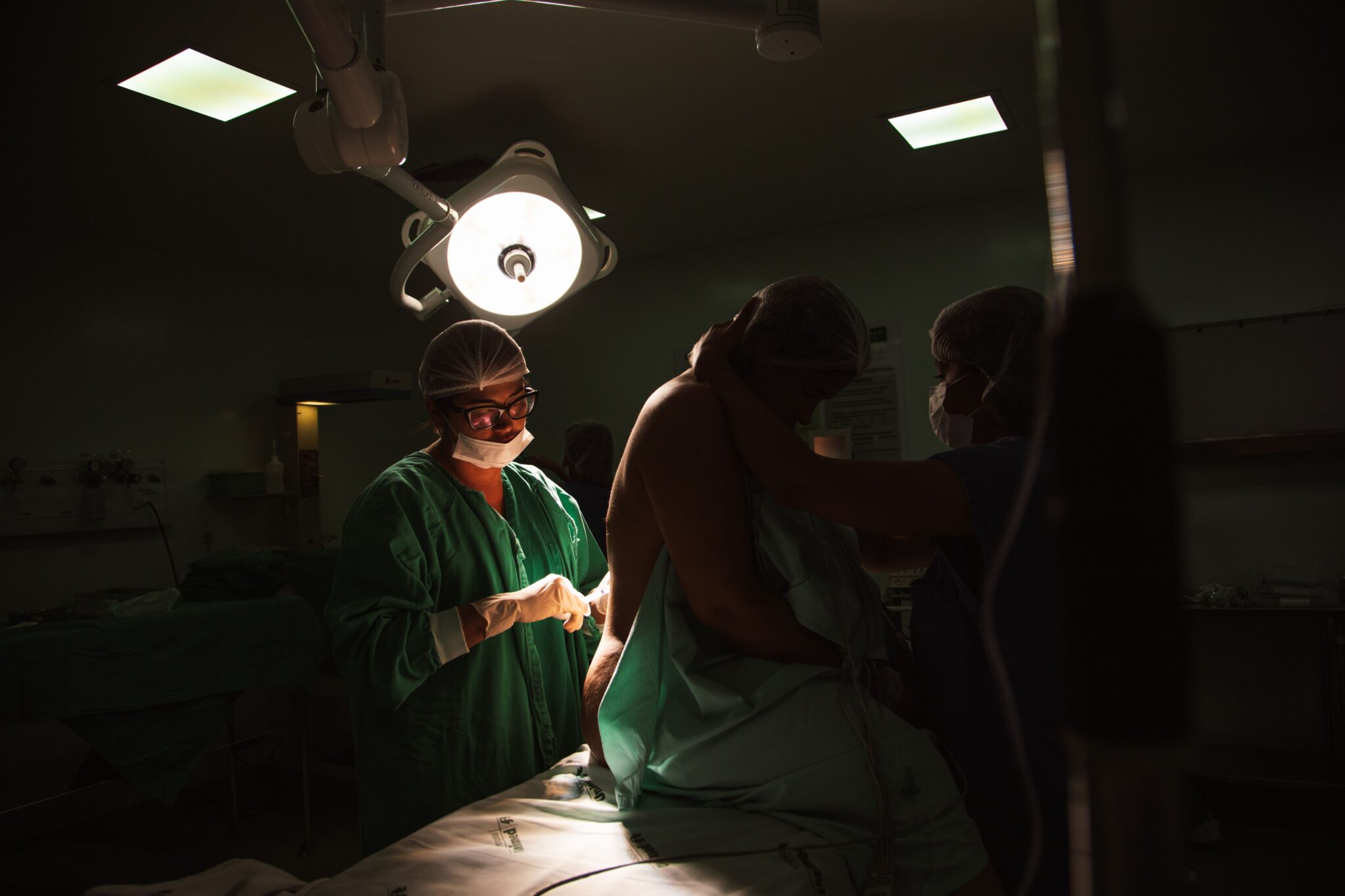
A mommy makeover combines two or more cosmetic procedures into a single operation. Most pair a tummy tuck with a breast lift. Many surgeons add liposuction on the hips, flanks, or thighs. The tummy tuck portion often includes repairing abdominal muscles that stretched during pregnancy.
Combining procedures shortens total recovery compared with separate operations. It also lengthens time under general anesthesia.
Serious complications remain rare when a qualified surgeon performs the procedure in an accredited facility. Patients who want a plain explanation of how rare complications are, and which complications are common versus dangerous, can read Dr. Darren Smith’s thoughts on mommy makeover safety. Here, Dr. Darren Smith, a board-certified plastic surgeon in New York City, lays out the risks and the questions patients should raise before booking.
Health Conditions Shape the Risk
Most cosmetic surgeons meet a patient only once before surgery. A mother’s regular provider at an Indian Health Service (IHS), tribal, or urban Indian clinic usually knows her health history much better. A checkup and fresh lab work at that clinic can catch problems a single consultation might miss. Diabetes and commercial tobacco use top the list.
Diabetes
High blood sugar slows wound healing and increases infection risk. Diabetes and prediabetes are common in many Native families. Before elective surgery, careful surgeons check a patient’s A1C, a blood test that shows average blood sugar over the past few months.
When the number runs too high, they postpone surgery until the patient brings it down. Waiting gives the incisions a better chance to heal cleanly.
Patients should be wary of any surgeon who never asks about diabetes or orders an A1C test.
Commercial Tobacco
Nicotine narrows blood vessels and reduces blood flow to healing skin. A tummy tuck incision depends on that blood flow to close properly.
Most plastic surgeons require patients to stop smoking, vaping, and using nicotine pouches for several weeks before and after surgery.
Ceremonial tobacco use is a separate matter. Patients who use tobacco in ceremony should discuss it openly with their surgeon.
The Indian Health Service Does Not Pay for Cosmetic Surgery
Mothers who receive care through IHS should expect to pay for a mommy makeover out of pocket. The agency’s Purchased/Referred Care medical priorities list cosmetic procedures among excluded services. Most private insurance plans also exclude cosmetic surgery.
The full cost pushes some patients toward discount offers. Package deals advertised on social media, low-cost clinics, and surgery trips abroad all promise savings. Those savings disappear quickly when a complication develops far from the operating surgeon.
Waiting longer to save for a qualified surgeon is the safer choice.
Many practices offer payment plans or medical credit cards. Patients should read the terms closely. Some medical credit cards charge back interest once a promotional period ends.
Credentials Matter More Than Price
A medical license allows a physician to perform cosmetic surgery. Specialty training is a separate credential. Patients can narrow their options with a few direct checks.
Board Certification
The American Board of Plastic Surgery (ABPS) certifies plastic surgeons. The ABPS is the only board the American Board of Medical Specialties recognizes for that specialty. Other boards may carry official-sounding names. Patients should confirm ABPS certification specifically.
Facility and After-Hours Care
Mommy makeovers belong in a hospital or an accredited surgical facility. Patients should ask which organization accredits the facility. They should also ask who administers anesthesia. A board-certified anesthesiologist or certified nurse anesthetist should manage it.
After-hours coverage matters just as much. Complications do not follow office schedules. A surgeon should give patients a direct way to reach the care team at night and on weekends.
Distance From Care Complicates Recovery
Many Native families live hours from the nearest hospital. Alaska Native mothers in rural villages already fly to Anchorage weeks before giving birth because their home communities lack delivery care. Recovery from major surgery raises similar concerns.
A mother on the Navajo Nation who books surgery in Albuquerque, for example, may live several hours from her surgeon’s office. Staying near the office through the first follow-up visit lets the surgeon catch problems early. A motel room or a relative’s spare bed in the city serves that purpose.
Patients should also watch for warning signs before they travel home. Fever, spreading redness around an incision, and foul-smelling drainage can point to infection. Swelling, pain, or warmth in one leg can signal a blood clot. Chest pain or sudden trouble breathing requires a 911 call, because a clot that reaches the lungs is a medical emergency.
Family Support
Tummy tuck patients cannot lift young children, laundry baskets, or groceries for several weeks. Recovery goes more smoothly when relatives plan ahead. A sister, aunt, or cousin who stays through the first days can drive, cook, and handle child care.
Many Native families already care for one another this way. Surgery simply asks them to plan for it earlier.
Mental Health Deserves the Same Attention
Surgeons generally advise women to finish having children before a mommy makeover. A later pregnancy can undo the results.
Emotional readiness matters too. Depression and anxiety can follow childbirth. Native News Online has reported that mental health crises are the leading cause of death for Native mothers after birth.
Nearly all of those deaths are preventable. A mother struggling after birth needs support before any elective surgery. Counselors, community birth workers, and clinic behavioral health teams can provide it.
A Decision Worth Taking Slowly
Wanting to feel comfortable in one’s body after childbirth is a reasonable goal. The safest path runs through a home clinic checkup, a board-certified plastic surgeon, and a recovery plan built around family.