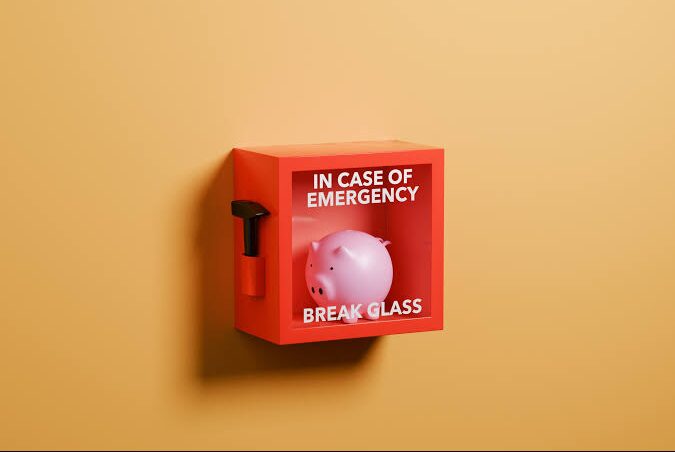
An emergency fund is one of the most important parts of a healthy personal finance plan. It gives you money to rely on when unexpected expenses appear, such as a job loss, major car repair, urgent home expense, or other financial emergency.
But how much money should you actually keep in an emergency fund?
There is no single amount that works for everyone. Your ideal emergency fund depends on your income, monthly expenses, job stability, debt, family responsibilities, and financial situation.
A common goal is to eventually save enough to cover three to six months of essential living expenses. However, you do not have to reach that amount immediately. Starting with a small emergency fund and gradually increasing it can be a practical approach.
What Is an Emergency Fund?
An emergency fund is money specifically reserved for unexpected and necessary expenses.
It is different from money saved for a vacation, new phone, entertainment, or a planned purchase.
An emergency fund may be used for situations such as:
- Unexpected medical expenses
- Major vehicle repairs
- Urgent home repairs
- Job loss
- Emergency travel
- Essential appliance replacement
- Unexpected family expenses
The purpose is to prevent an unexpected financial problem from turning into high-interest debt.
How Much Should You Save?
A commonly used guideline is to keep enough money to cover three to six months of essential expenses.
For example, if your essential monthly expenses are $2,500:
| Emergency Fund Goal | Amount Needed |
|---|---|
| 1 month | $2,500 |
| 3 months | $7,500 |
| 4 months | $10,000 |
| 5 months | $12,500 |
| 6 months | $15,000 |
| 9 months | $22,500 |
These are examples rather than universal requirements.
Someone with a highly stable job may feel comfortable with a smaller reserve, while someone with variable income or significant family responsibilities may prefer a larger emergency fund.
Start With a Small Emergency Fund
If you currently have no savings, hearing that you need several months of expenses can feel overwhelming.
You do not need to save thousands of dollars immediately.
Start with a smaller milestone.
For example:
$100 → $500 → $1,000 → one month of expenses → three months → six months
Your first goal is simply to create some financial breathing room.
Even a $500 emergency fund can be useful when an unexpected expense appears.
Calculate Your Essential Monthly Expenses
The amount you need depends on your essential expenses rather than your total spending.
Start by calculating the costs you would need to continue paying if your income temporarily stopped.
These might include:
- Rent or mortgage
- Groceries
- Utilities
- Transportation
- Insurance
- Minimum debt payments
- Healthcare expenses
- Childcare
- Essential household costs
You may be able to reduce optional expenses during an emergency, such as entertainment, dining out, travel, and nonessential shopping.
For example, if your normal monthly spending is $3,500 but your essential expenses are $2,300, your emergency fund calculation may be based primarily on the $2,300 figure.
Consider Your Job Stability
Your employment situation can influence how large your emergency fund should be.
If you have a stable job, predictable income, and strong job security, you may be comfortable targeting the lower end of the range.
If your income is unpredictable, you work on commission, freelance, operate a seasonal business, or work in an industry with frequent layoffs, a larger emergency fund may provide greater financial protection.
The more uncertain your income, the more valuable a larger cash reserve can become.
Consider Your Family Situation
Your financial responsibilities also matter.
A single person with relatively low expenses may need less emergency savings than a household supporting several family members.
Consider whether you are responsible for:
- Children
- A spouse or partner
- Aging parents
- Dependents
- Significant medical or educational expenses
More financial responsibilities can increase the amount of emergency savings you may want to maintain.
Consider Your Debt
Debt can affect your emergency fund strategy.
If you have high-interest credit card debt, you may want to balance building emergency savings with aggressively reducing expensive debt.
However, having absolutely no emergency savings can leave you vulnerable.
A practical approach may be to establish a basic emergency cushion first, then focus more heavily on high-interest debt before eventually expanding your emergency fund.
Where Should You Keep Your Emergency Fund?
Emergency savings should generally be kept somewhere safe and accessible.
The purpose of the money is to be available when you actually need it.
Potential options can include an appropriate savings account or another low-risk, accessible cash savings product.
Avoid putting your emergency fund into highly volatile investments where its value could decline significantly just when you need the money.
The emergency fund’s primary purpose is financial protection, not maximizing investment returns.
Automate Your Emergency Fund Contributions
One of the easiest ways to build an emergency fund is to automate your savings.
Set up a recurring transfer from your checking account to your savings account after each paycheck.
For example:
| Weekly Savings | Approximate Annual Savings |
|---|---|
| $10 | $520 |
| $25 | $1,300 |
| $50 | $2,600 |
| $75 | $3,900 |
| $100 | $5,200 |
These calculations do not include interest.
Choose an amount that fits comfortably within your budget. You can increase the contribution when your income rises or expenses decrease.
Use Windfalls to Build Savings Faster
Unexpected or irregular income can accelerate your emergency fund.
Examples include:
- Work bonuses
- Tax refunds
- Gifts
- Freelance payments
- Proceeds from selling unused items
- Overtime income
You do not necessarily need to put all extra money into savings.
Instead, consider allocating a portion toward your emergency fund while using the rest for other financial goals.
When Should You Use Your Emergency Fund?
An emergency fund should be reserved for genuine financial emergencies.
A useful question to ask is:
“Is this expense unexpected, necessary, and difficult to cover with my normal income?”
If the answer is yes, your emergency fund may be appropriate.
For planned expenses, create separate savings categories.
For example, save separately for:
- Holidays
- Vacations
- Annual insurance
- Car maintenance
- Home improvements
- Gifts
- Electronics
This helps keep your emergency savings available for genuine emergencies.
Rebuild Your Emergency Fund After Using It
Using your emergency fund does not mean you failed.
That is exactly what the fund is designed for.
If you spend $1,000 on an unexpected repair, your next goal should be rebuilding that $1,000.
You can temporarily increase savings contributions, reduce discretionary spending, or direct additional income toward rebuilding your reserve.
Once it is restored, continue with your normal financial plan.
A Simple Emergency Fund Strategy
| Financial Situation | Possible Starting Goal |
|---|---|
| No savings | $100–$500 |
| Basic financial cushion | $500–$1,000 |
| Stable income | 3 months of essential expenses |
| Variable income | 3–6+ months of essential expenses |
| Multiple dependents | Consider a larger reserve |
| High financial uncertainty | Consider 6+ months |
These are general guidelines, not strict financial rules.
Common Emergency Fund Mistakes
Saving Too Little
A very small emergency fund may not cover a major unexpected expense. Gradually increase your target as your finances improve.
Saving Too Much Cash
An excessively large cash reserve may mean you are missing opportunities to address other financial goals. Find a balance appropriate for your circumstances.
Investing Emergency Savings Aggressively
Emergency money should prioritize accessibility and stability rather than high potential returns.
Using the Fund for Non-Essential Purchases
A vacation or impulse purchase generally should not be treated as an emergency.
Forgetting to Replenish It
If you use your emergency fund, make rebuilding it a priority.
Final Thoughts
So, how much money should you keep in an emergency fund?
For many people, a useful long-term target is three to six months of essential living expenses. However, the right amount depends on your income stability, expenses, debt, family responsibilities, and overall financial situation.
If you are starting with nothing, do not let the final target discourage you.
Begin with $100, then $500, then $1,000. Once you have a basic cushion, gradually work toward one month of expenses and eventually several months of essential costs.
The purpose of an emergency fund is not to make you wealthy. It is to give you financial flexibility when life does not go according to plan.
Even a small emergency fund can be an important first step toward greater financial security.
Frequently Asked Questions
Is $1,000 enough for an emergency fund?
$1,000 can be a useful starting point, particularly if you currently have no savings. However, it may not be enough to cover several months of expenses or a major financial emergency.
Is three months of expenses enough?
Three months of essential expenses can be a reasonable target for people with relatively stable finances. Those with variable income or greater financial responsibilities may prefer a larger reserve.
Should I have six months or one year of emergency savings?
The appropriate amount depends on your circumstances. Six months can provide a substantial cushion, while people with highly variable income or significant financial responsibilities may prefer an even larger reserve.
Should emergency savings be invested?
Emergency savings generally need to be accessible and stable. Highly volatile investments may not be suitable because their value can fall when you unexpectedly need the money.
How quickly should I build an emergency fund?
There is no required timeline. Set a monthly savings target that fits your budget and increase it when your financial situation allows.
Should I pay off debt before building an emergency fund?
Consider establishing at least a basic emergency cushion before focusing entirely on debt repayment. If you have high-interest debt, you may then want to balance additional savings with aggressive debt reduction.
What counts as an emergency?
An emergency is generally an unexpected and necessary expense that you cannot comfortably cover with your normal income or regular savings.
Can I use my emergency fund for a vacation?
A vacation is normally a planned expense rather than an emergency. Creating a separate vacation savings fund can help keep your emergency reserve intact.
Where is the safest place to keep emergency savings?
Consider a safe and easily accessible savings vehicle appropriate for your location and circumstances. The priority should be accessibility and stability.
How much should I save each month for emergencies?
Start with an amount you can consistently afford. Even $25 or $50 per month can help establish the habit. Increase contributions as your budget allows.
What if I have an irregular income?
If your income fluctuates significantly, consider maintaining a larger emergency fund because your ability to replace lost income may be less predictable.
What happens if I use my entire emergency fund?
Do not panic. Rebuilding the fund should become a financial priority once the emergency has passed. Temporarily increasing savings or reducing discretionary expenses can help restore it.