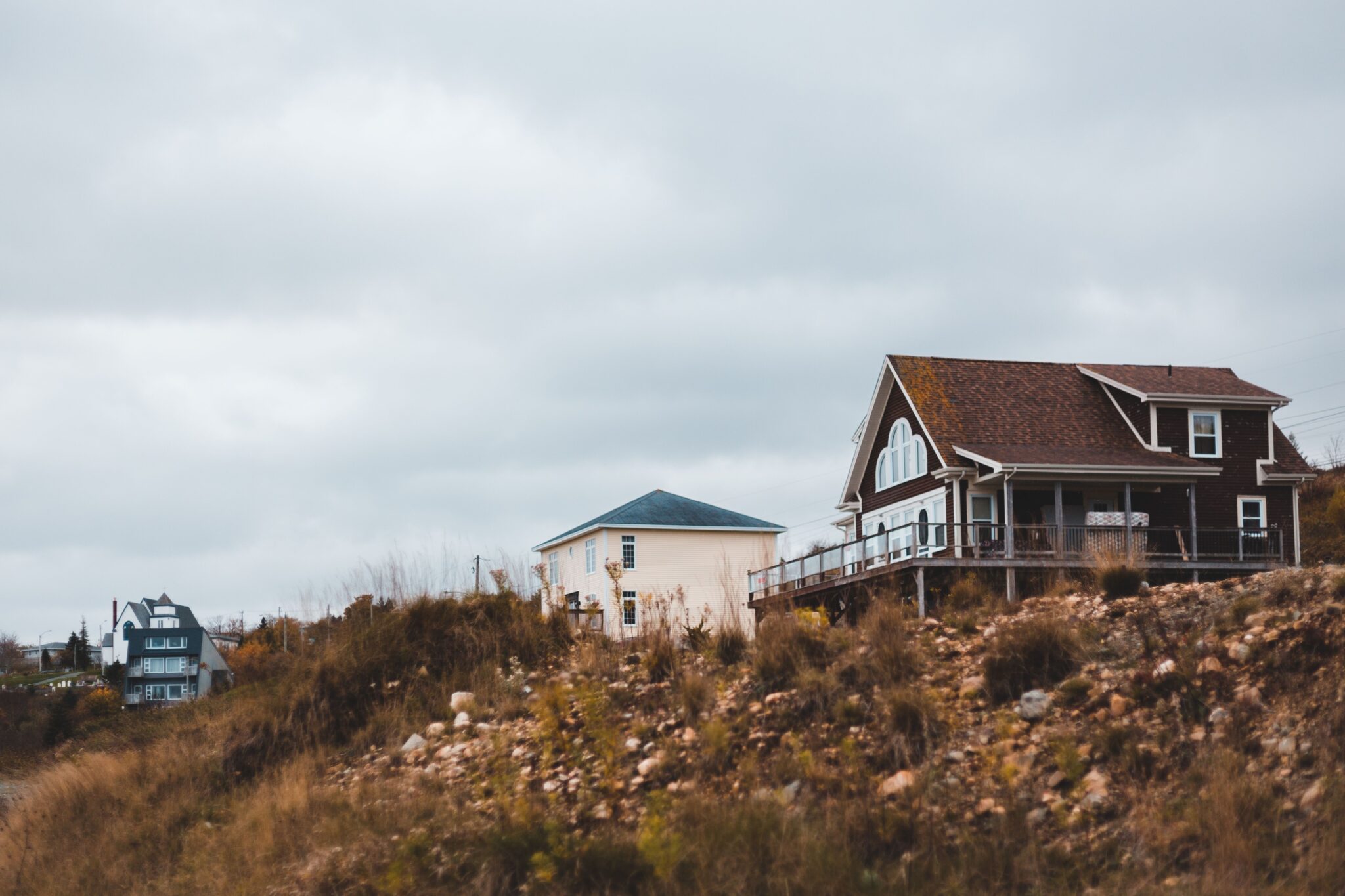
High winds and heavy rain can strike without much warning, leaving severe destruction in their wake. Homeowners often feel lost when assessing exterior damage on their roofs and siding.
Taking immediate steps keeps your building safe and preserves its market value. Quick action prevents minor issues from turning into massive financial burdens down the road.
Assessing Initial Exterior Destruction
Heavy weather leaves clear signs of destruction across your roof and yard. Walk around the property safely to spot missing shingles or cracked tiles. Looking closely from ground level helps you spot hidden hazards before stepping outside.
Homeowners must prioritize personal safety before climbing up ladders or checking roofs. Scheduling professional storm damage repair limits long-term structural issues and keeps your family safe. Staying on solid ground during visual inspection prevents unnecessary personal injuries.
Look for dented gutters, fallen branches, and cracked window frames. Take time to inspect every side of the building carefully. Writing down every issue helps you stay organized during early recovery. Structural checks from ground level protect you from unexpected hazards.
Understanding Severe Weather Impact Statistics
Atmospheric records show an increase in major severe weather events across the region. Insured losses from severe convective storms exceeded $50 billion annually in recent weather assessments. Financial impacts continue to rise as storms grow more frequent each season. High costs highlight the importance of active property maintenance.
Wind and hail drive the vast majority of residential destruction. High winds and hail account for over 70 percent of all property claims recorded following major summer storms. Property owners need to remain vigilant after sudden hailstorms. Quick inspections spot minor roof punctures before rainwater pours inside.
Protecting exterior surfaces cuts repair costs down significantly in future seasons. Regular inspections reveal subtle structural weakness before rain hits. Staying ahead of potential problems protects your home equity against market drops. Strong roof maintenance keeps repair bills manageable.
Preventing Interior Water Intrusion
Water finds tiny cracks in structural elements during high wind events. Roofing failure remains the leading cause of interior water damage during high wind events. Fixing damaged shingles stops water before it leaks through ceilings. Quick repairs keep insulation dry and effective.
Secondary structural problems can develop if moisture remains trapped inside walls. Taking immediate emergency measures after storm damage helps prevent secondary structural issues and preserves property value. Immediate cleanup keeps hidden spaces dry. Preserving wall studs avoids expensive structural rebuilds later.
Simple steps help keep water out of your living space:
- Place heavy tarps over exposed roof openings.
- Clear debris from gutter downspouts.
- Seal visible cracks around outer window borders.
- Remove pooled water from flat exterior surfaces.
Securing the Building Envelope
A broken building envelope exposes living areas to outside elements. Restoring the building envelope within 48 hours dramatically decreases mold colonization risks. Rapid responses stop microbial growth from spreading through subflooring. Fast action saves carpets and drywall from complete destruction.
Cover broken windows with heavy plywood right away. Plywood blocks wind-driven rain from entering open living areas. Secure tarping protects interior furnishings from severe water exposure. Boarding up openings discourages unauthorized intruders from entering vacant areas.
Check exterior doors and garage panels for proper seals. Aligning misaligned tracks keeps wind pressure from bending garage doors inward. Simple adjustments protect interior walls during secondary rainfall. Sturdy doors keep drafts and moisture out of attached garages.

Documenting Property Loss for Claims
Proper records accelerate insurance claim settlements. Quickly documenting physical damages before cleanup begins significantly speeds up insurance payout timelines. Accurate photo logs prevent claims adjusters from missing hidden damage. Comprehensive documentation creates a clear timeline of events for insurers.
Take clear pictures from multiple angles before moving fallen trees. Filing detailed photo documentation with initial claims reduces dispute rates by nearly 40 percent. Detailed evidence protects your financial rights during claims reviews. Organize photos chronologically to simplify the evaluation process.
Keep your claim records organized with these methods:
- Photograph roof surfaces and outer walls from ground level.
- Keep written logs detailing itemized material damage dates.
- Store receipts from emergency tarping purchases.
- Save contact records from every contractor communication.
Preserving Long-Term Property Value
Proper restoration protects market value in future years. Properties undergoing professional storm repairs retain up to 95 percent of their original market value. Quality craftsmanship preserves curb appeal and buyer confidence. Investing in expert labor pays off during property appraisals.
Skimping on repairs lowers home equity when selling later. Professional contractors restore structural integrity back to original standards. Buyers appreciate verified repair receipts during future property sales. Detailed repair logs build trust during home sales negotiations.
Long-term durability requires using weather-resistant building materials. Upgrade shingles to higher impact ratings during major repairs. Stronger materials resist future severe weather events far better. Premium roofing materials often qualify for reduced insurance premiums.
Hiring Qualified Restoration Contractors
Select certified contractors with strong community reputations. Verify state licenses and liability insurance coverage before signing contracts. Trustworthy professionals offer clear written estimates for all structural work. Proper licensing protects property owners from substandard construction practices.
Local contractors understand regional building codes and weather challenges. Avoid out-of-state storm chasers offering suspiciously low quotes. Working with established local teams guarantees reliable warranty protection. Reputable local businesses remain available for follow-up maintenance visits.
Review previous client feedback and project portfolios before making decisions. Ask detailed questions about project timelines and material warranties. Written contracts protect both parties throughout the restoration process. Clear communication prevents unexpected financial surprises during repairs.
Severe weather events bring unexpected challenges to every property owner. Taking quick action safeguards structural elements and protects long-term investment value.
Staying prepared with clear documentation and trusted contractors reduces stress. Smart decisions today keep your home strong for years to come.