High-value residential properties require active oversight to preserve structural integrity and long-term asset value. Small plumbing leaks, subtle foundation shifts, or hidden environmental risks can quickly escalate into multi-million dollar repair liabilities. Scheduling routine professional evaluations creates a clear roadmap for proactive care, protecting your family and your property investment.
Securing Real Estate Equity Through Acquisition Inspections
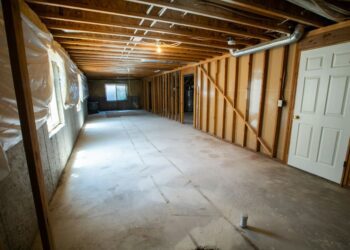
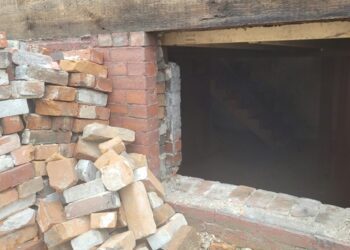
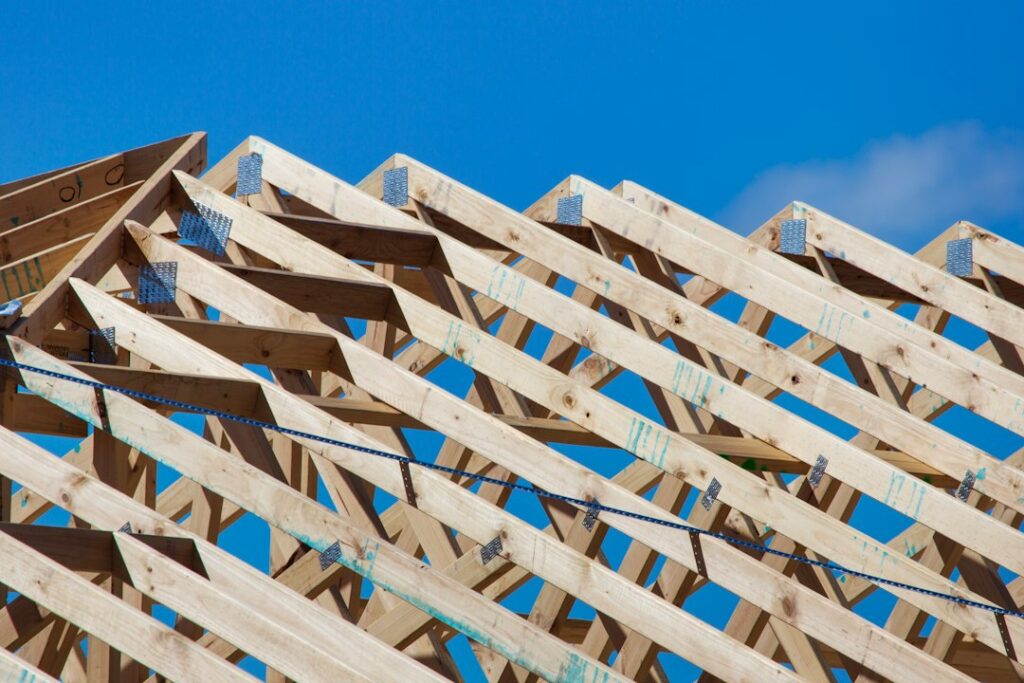
Buying a luxury estate demands thorough due diligence before closing escrow. Structural engineers and building experts inspect roofing frameworks, electrical capacity, and foundation stability to expose hidden liabilities. A Gitnux industry breakdown noted that roughly 90% of home buyers request a professional property evaluation prior to completing a real estate transaction. Discovering mechanical faults before closing gives buyers powerful leverage during purchase price negotiations.
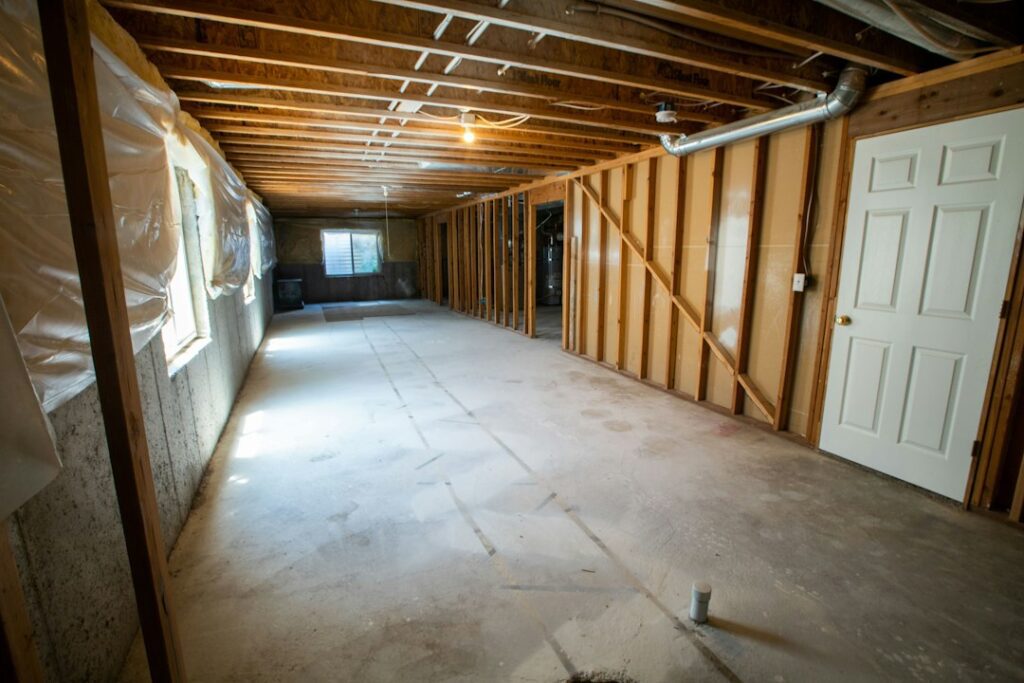
Comprehensive evaluations reveal deferred maintenance issues that sellers might overlook. Inspecting structural joists, drainage grading, and high-capacity electrical systems prevents unexpected cash expenditures post-closing. Investment advisors recommend detailed physical audits to protect equity positions in premium real estate holdings.
Identifying Toxic Building Materials Before Renovation
Luxury home renovations often uncover concealed structural hazards behind pristine plasterwork. Conducting a thorough asbestos testing procedure before starting major construction prevents toxic particulate release throughout living quarters. Licensed specialists safely collect samples from insulation, floor tiles, and textured ceilings to identify hazardous materials before disturbance.
Older residential estates frequently contain historical building products that require specialized handling. Professional sampling verifies fiber composition and provides homeowners with clear remediation guidelines. Detailed lab analysis guarantees safety compliance prior to demolition teams beginning work on custom interiors.
Environmental safety regulations mandate strict containment protocols whenever microscopic mineral fibers are present. Industry figures from Grand View Research revealed that the global asbestos abatement sector surpassed $4.8 billion in 2024. Environmental assessments protect household health and shield estate owners from regulatory fines and remediation costs.
Mitigating Catastrophic Property Maintenance Costs
Preserving luxury real estate values relies on systematic preventative care rather than reactive repairs. Unchecked water intrusion behind stone cladding can cause severe rot, foundation movement, and interior mold blooms. Survey findings published by Angi revealed that 71% of property owners focus on preventative maintenance to avoid costlier structural issues later. Systematic inspections identify failing seals and pipe corrosion before catastrophic damage occurs.
Subtle deterioration inside custom plumbing networks or roof membranes can go unnoticed for months. Professional inspection teams utilize specialized tools to detect hidden decay before visible signs appear on luxury finishes. Routine property scans protect architectural integrity and preserve high-end building materials.
- Modern thermal imaging cameras spot hidden plumbing leaks behind custom cabinetry.
- Roof drone evaluations locate cracked slate tiles before stormwater breaches ceiling plaster.
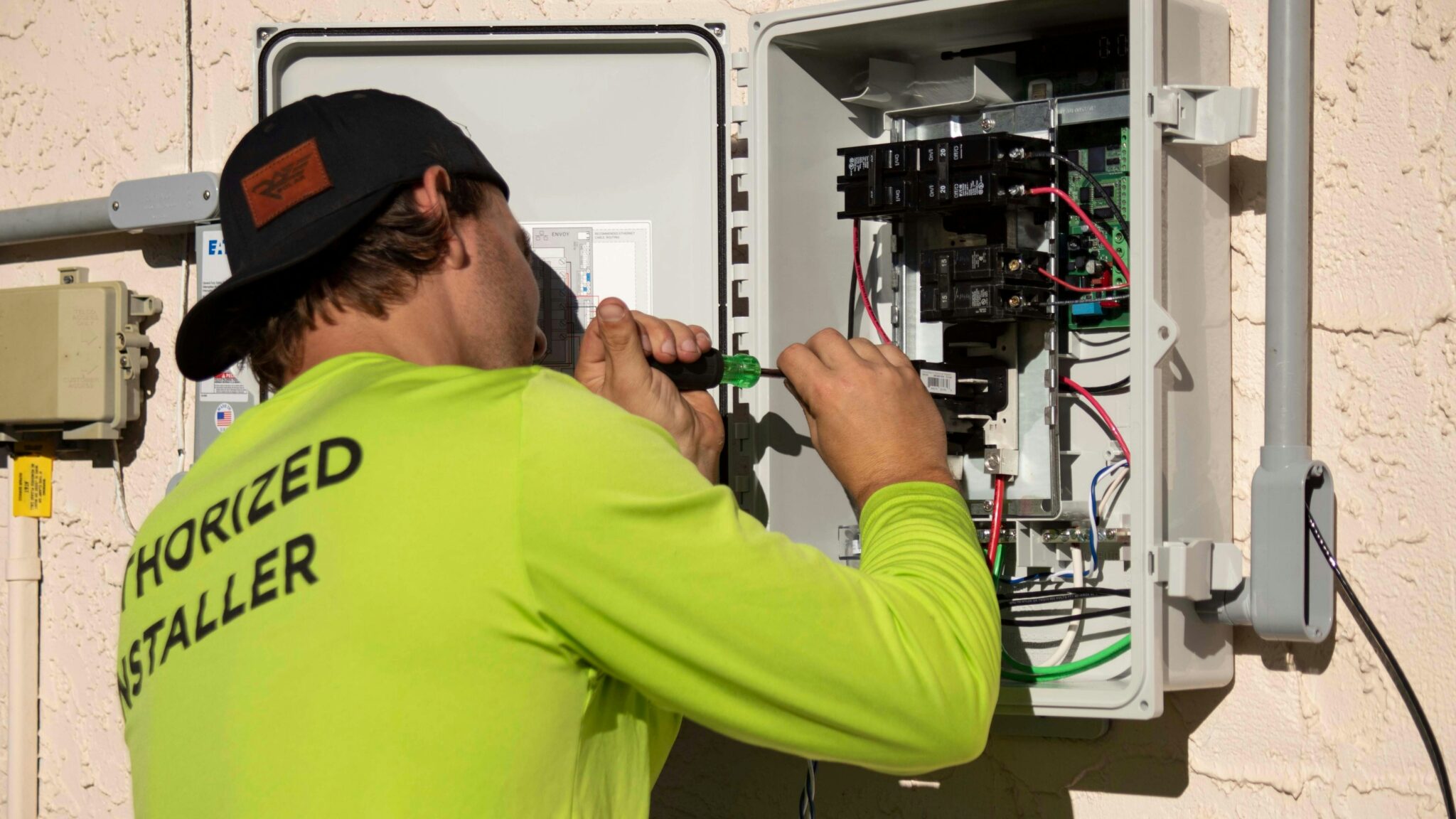
- Electrical panel scans detect rising thermal loads to prevent fire hazards.
- HVAC pressure testing uncovers refrigerant leaks before expensive compressor failures.
Streamlining Portfolio Operations for High-Value Estates
Managing multiple residential properties demands structured maintenance schedules to control operating budgets. Unscheduled mechanical breakdowns disrupt occupants and trigger emergency contractor service surcharges. Data from Market Reports World showed that property managers report 20% to 30% fewer emergency repairs when preventative services take place on a quarterly basis. Scheduled mechanical audits extend equipment lifespan and reduce property management overhead.
Property managers use standardized inspection protocols to track equipment degradation across large real estate portfolios. Detailed service logs help estate managers predict maintenance cycles and budget for capital upgrades. Regular component testing keeps complex geothermal systems, elevator lifts, and back-up power generators performing reliably.
Tracking Market Growth in Professional Building Assessments
Rising consumer awareness regarding structural health has expanded demand for credentialed property specialists. Modern buyers view comprehensive physical audits as valuable risk management steps for high-value real estate. Business Research Insights calculated that the global residential home inspection market reached $1.31 billion in 2025. Property owners rely on these objective technical reports to maintain comprehensive asset insurance records.
Insurance carriers increasingly require verified inspection records before issuing coverage on high-value coastal or historical estates. Professional documentation proves that major mechanical systems meet current safety standards. Retaining annual audit records streamlines claims processing and helps maintain optimal premium rates for premium policyholders.
Monitoring Comprehensive Security and Environmental Infrastructure
Smart homes integrate complex automation, power storage, and perimeter protection networks. Regular technical reviews confirm that emergency back-up generators, fire suppression valves, and security sensors function correctly. Industry data from SafeHome indicated that nearly 75 million residences maintain active indoor or outdoor security cameras. Professional technicians verify network connectivity to maintain off-grid monitoring systems during regional power outages.
Integrated smart sensors require periodic calibration to prevent false alarms and maintain instant responsiveness. Inspectors evaluate surveillance cameras, motion detectors, and automated perimeter barriers to maintain family security. Routine technical verifications safeguard digital security infrastructure against system glitches and hardware failures.

Preserving real estate value requires a vigilant approach to physical property management. Professional inspections reveal subtle mechanical wear and environmental risks before they cause financial loss. Routine property evaluations safeguard your financial equity and keep your primary residence functioning flawlessly for generations.