Where Science Meets Style: The Waxman Luncheon Reaches Its Most Generous Year Yet
The 12th Annual Waxman Luncheon raised nearly $250,000 at Riverpark in New York City, a figure doubled by a matching contribution from The Mark Foundation for Cancer Research. It was the most successful edition in the event’s history.
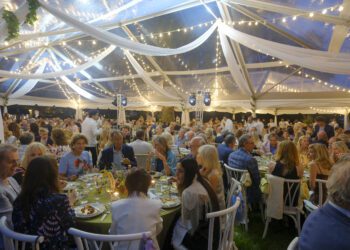
There is a particular kind of energy that fills a room when generosity has a deadline. At Riverpark in New York City, that energy arrived early and stayed through the afternoon, carried by philanthropists, fashion figures and longtime supporters of cancer research who had gathered for the 12th Annual Waxman Luncheon. By the time the final paddle was raised, the gathering had become the most successful in the event’s twelve-year history.
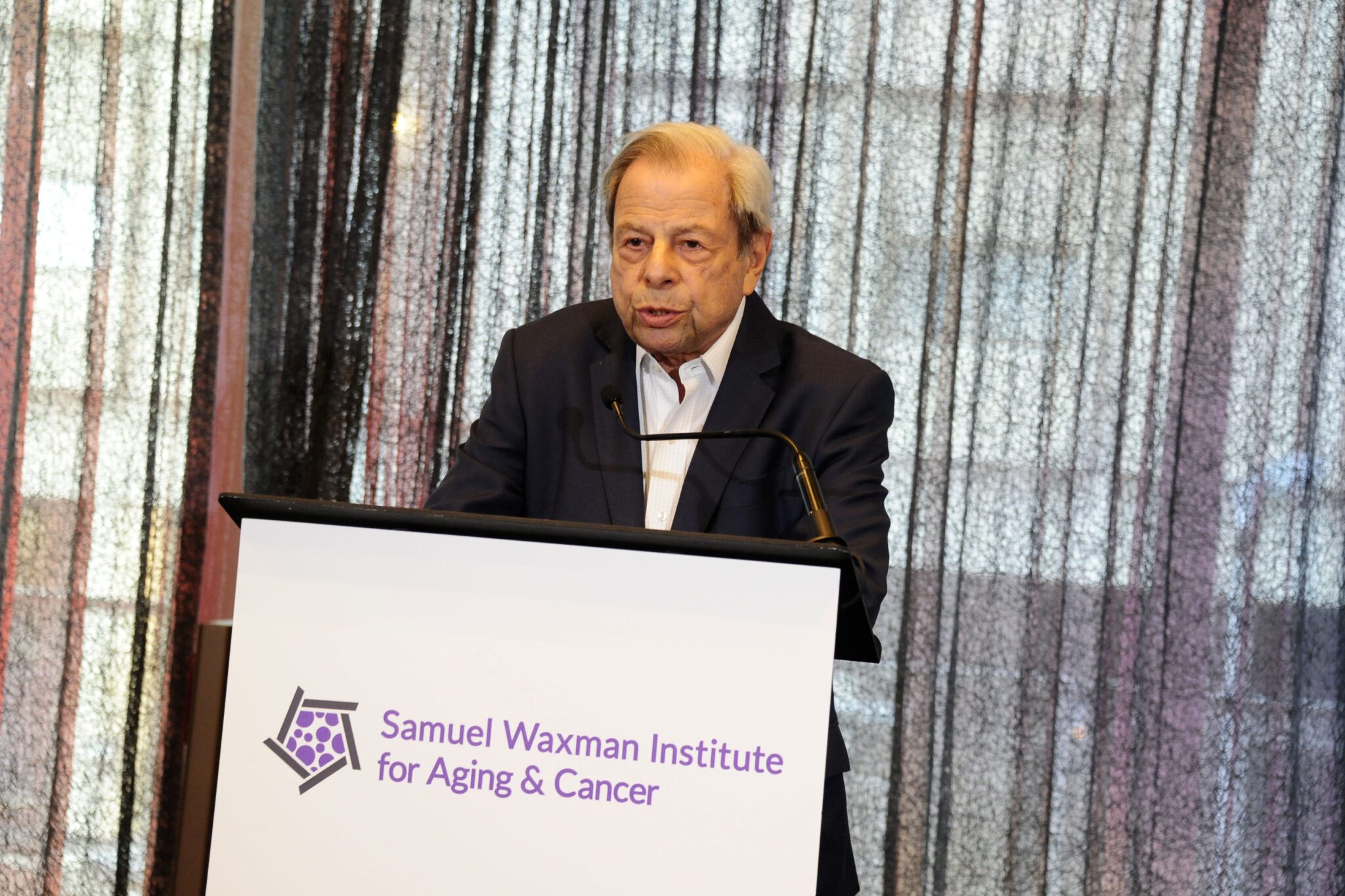
The luncheon, hosted by the Samuel Waxman Institute for Aging & Cancer, an affiliate of The Mark Foundation for Cancer Research, raised nearly $250,000. That figure will be matched by The Mark Foundation, bringing the total to almost half a million dollars directed toward cancer research. It is a number that reflects more than a well-attended afternoon. It signals a widening circle of donors who have come to understand what the Institute is actually studying, and why the question matters.
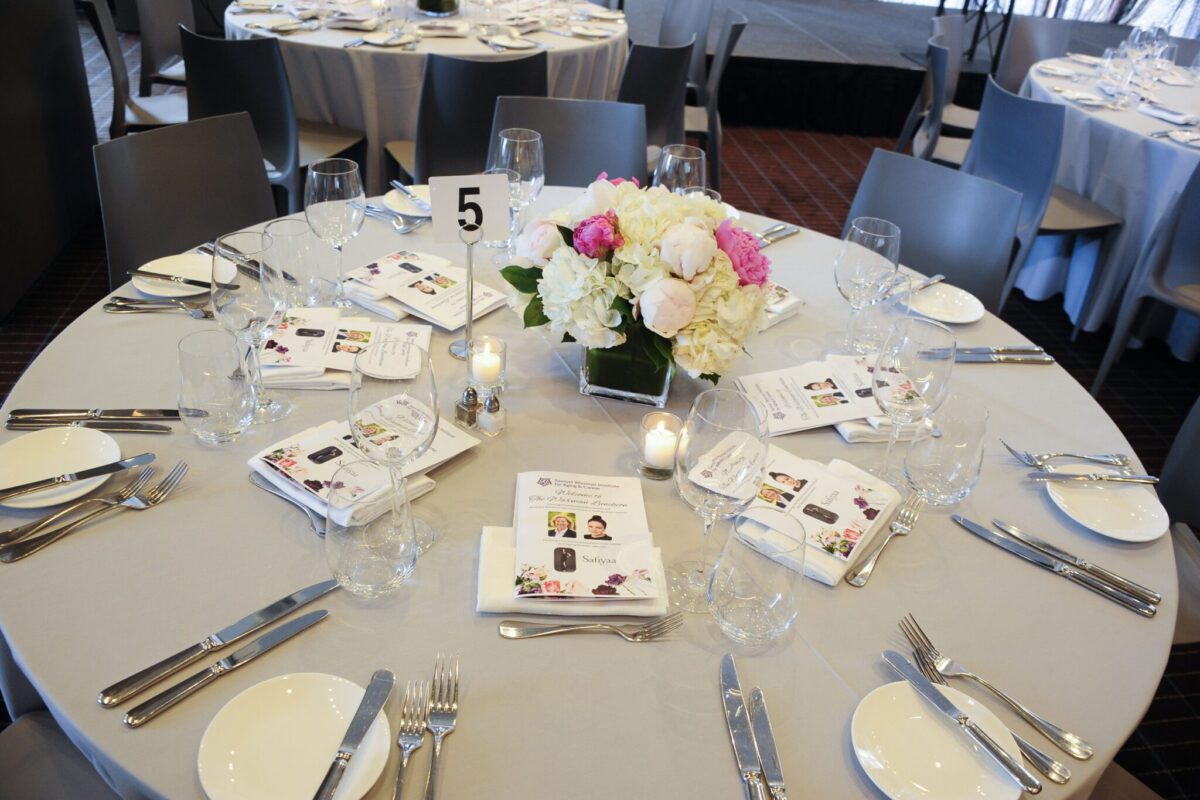
That question begins with age. The Samuel Waxman Institute for Aging & Cancer was established to confront one of the most persistent and least discussed risk factors in oncology: aging itself. The Institute’s model brings together scientists who study the biology of aging alongside experts in cancer research, an approach designed to illuminate how cellular change over time shapes the disease. The aim is practical as much as it is scientific, with the work oriented toward more effective treatments, stronger prevention strategies and the kind of breakthroughs that eventually reach patients.
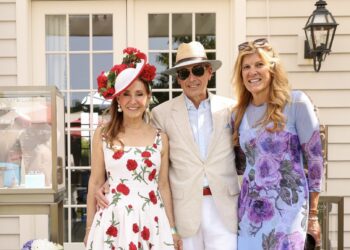
The afternoon’s honorees embodied the Institute’s reliance on committed individuals rather than institutions alone. Fashion entrepreneur Alexandra Adame and Corcoran real estate broker Mary Slattery were each recognized for sustained dedication to the cause, and for the work of persuasion and advocacy that fundraising quietly demands. Both have helped extend the Institute’s reach well beyond the scientific community.
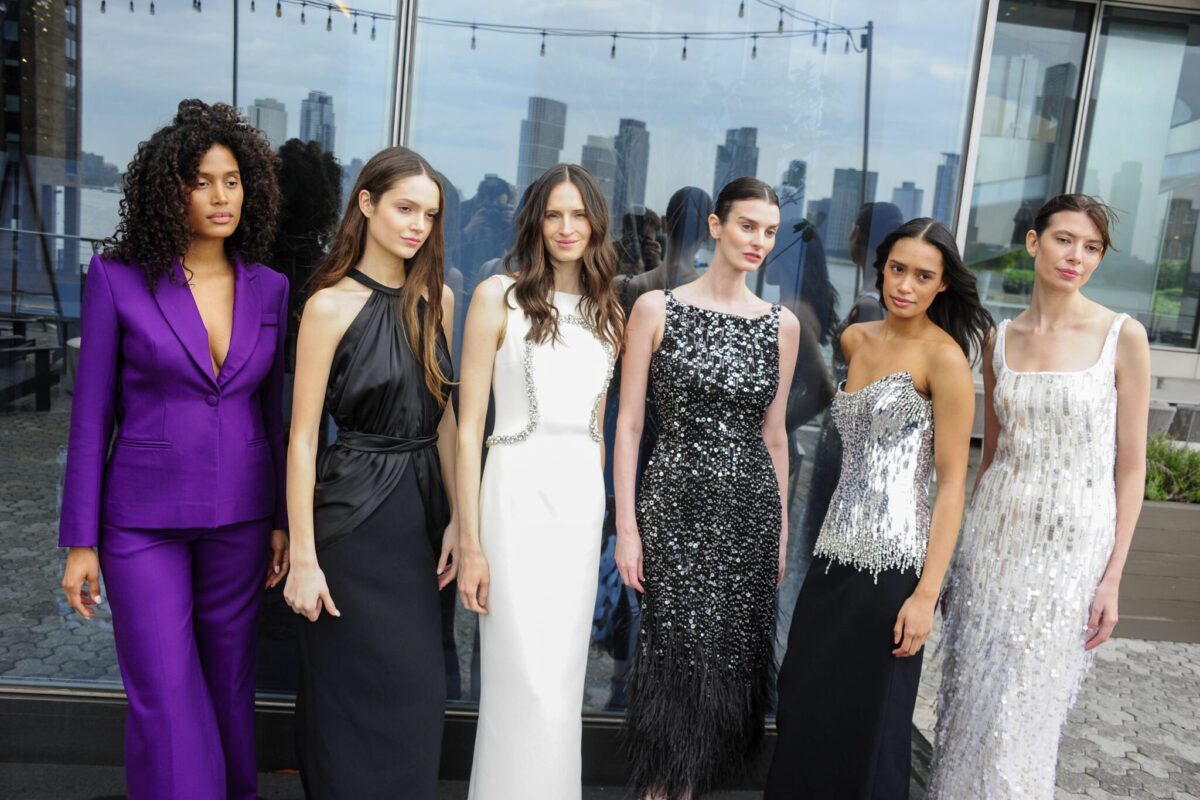
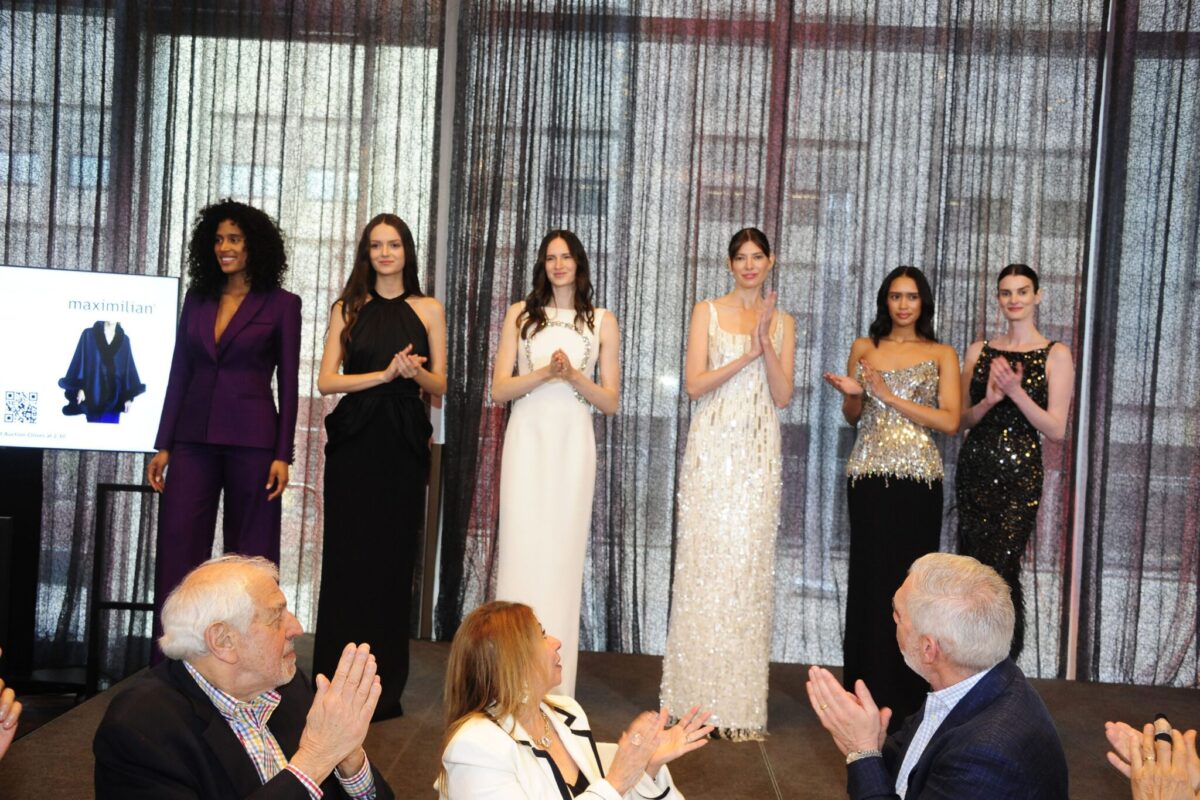
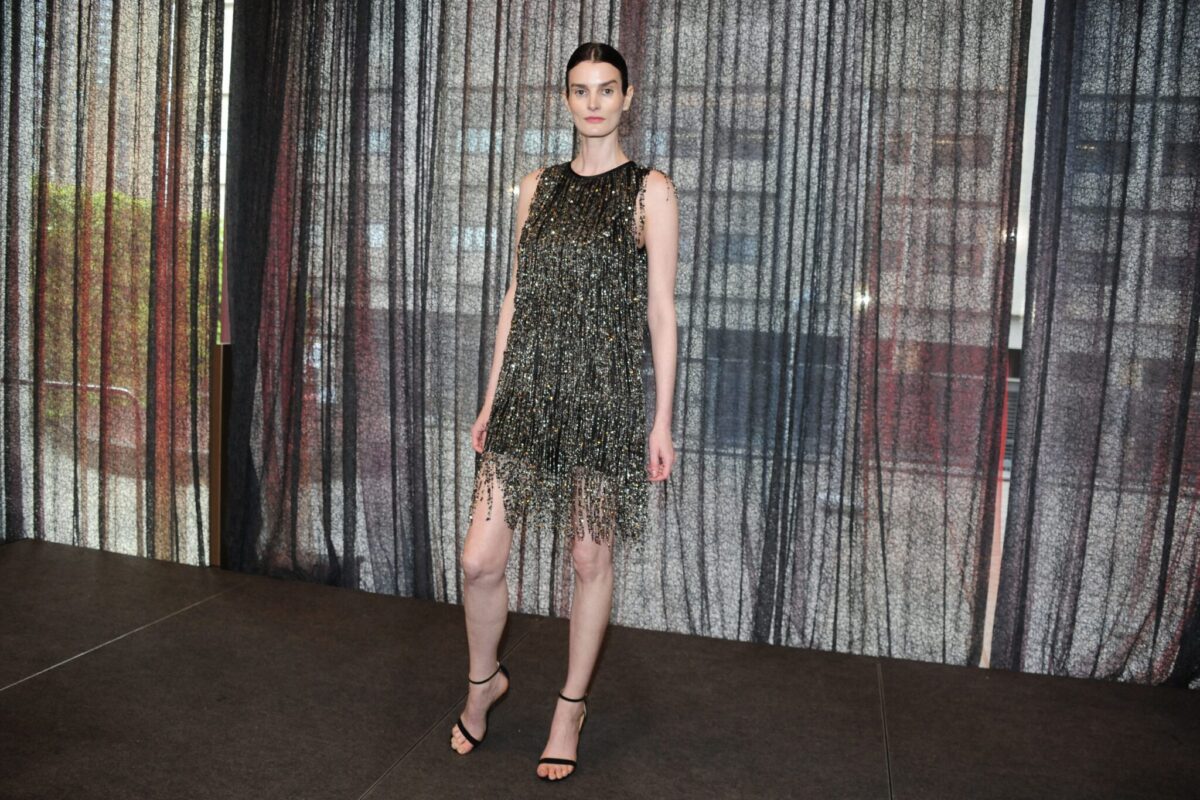
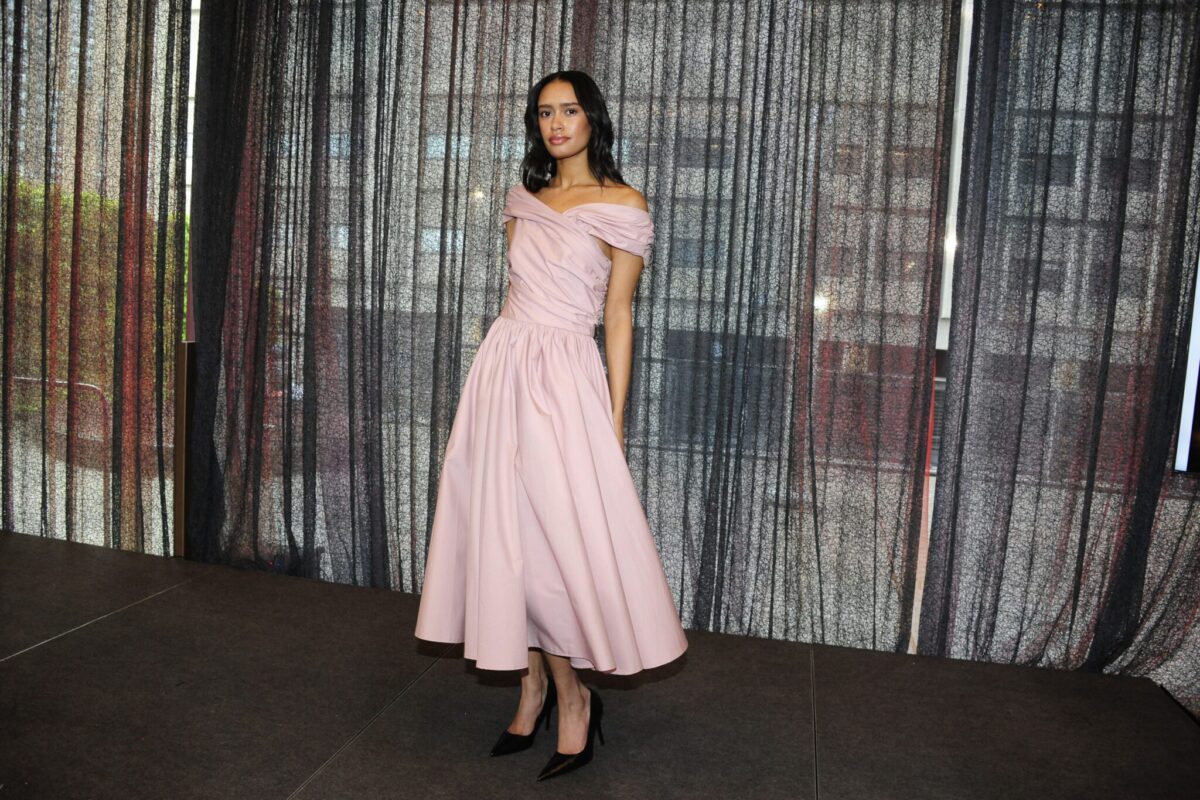
Style found its place in the program through a fashion presentation by Safiyaa, the label known for its disciplined, modern approach to womenswear. The presentation lent the room a moment of visual composure, well suited to an event that has established itself as a fixture on New York’s charitable calendar without ever tipping into spectacle.
The fundraising itself unfolded with genuine momentum. Guests entered an exclusive raffle for a diamond pendant necklace valued at $18,000, donated by Brilliant Star, while live and silent auctions offered pieces contributed by Judith Leiber, Ippolita, Carlos Falchi, Maximillion, Jimmy Choo and Kobi Halperin. The bidding gave the afternoon its rhythm, turning a curated selection of fashion, jewelry and luxury experiences into direct support for the laboratory.
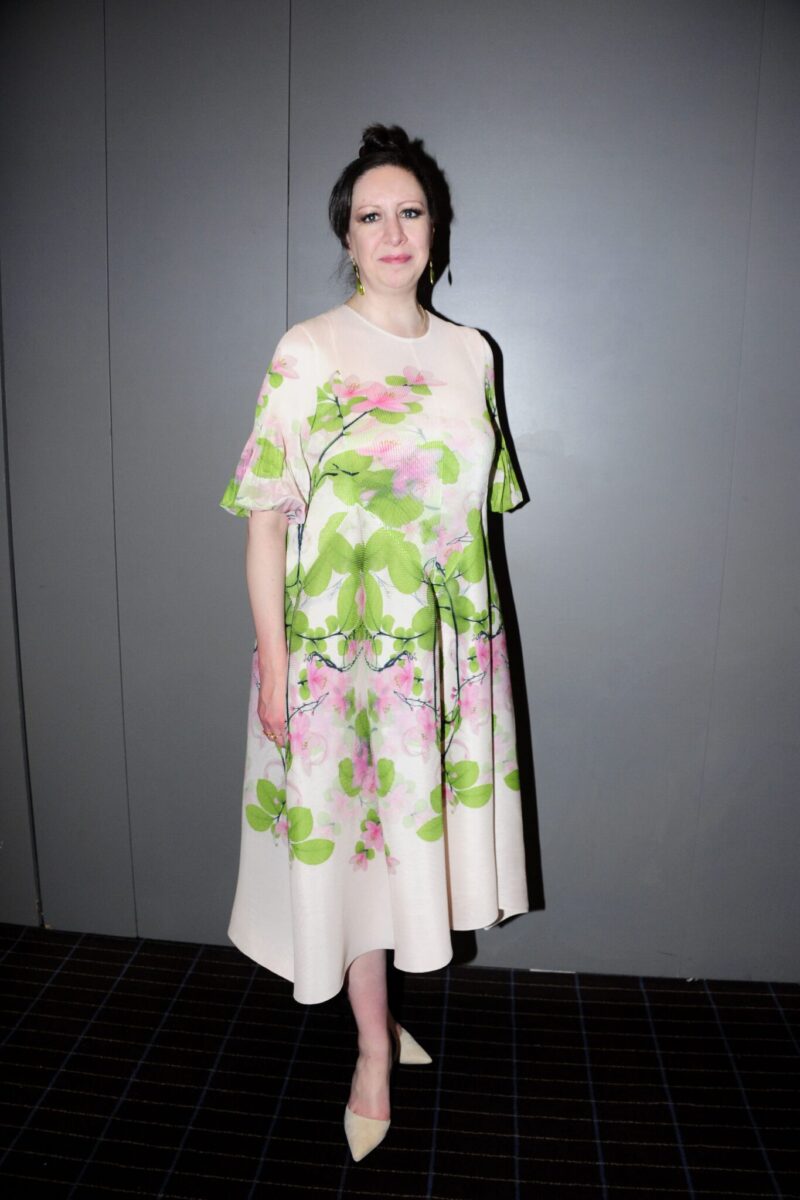
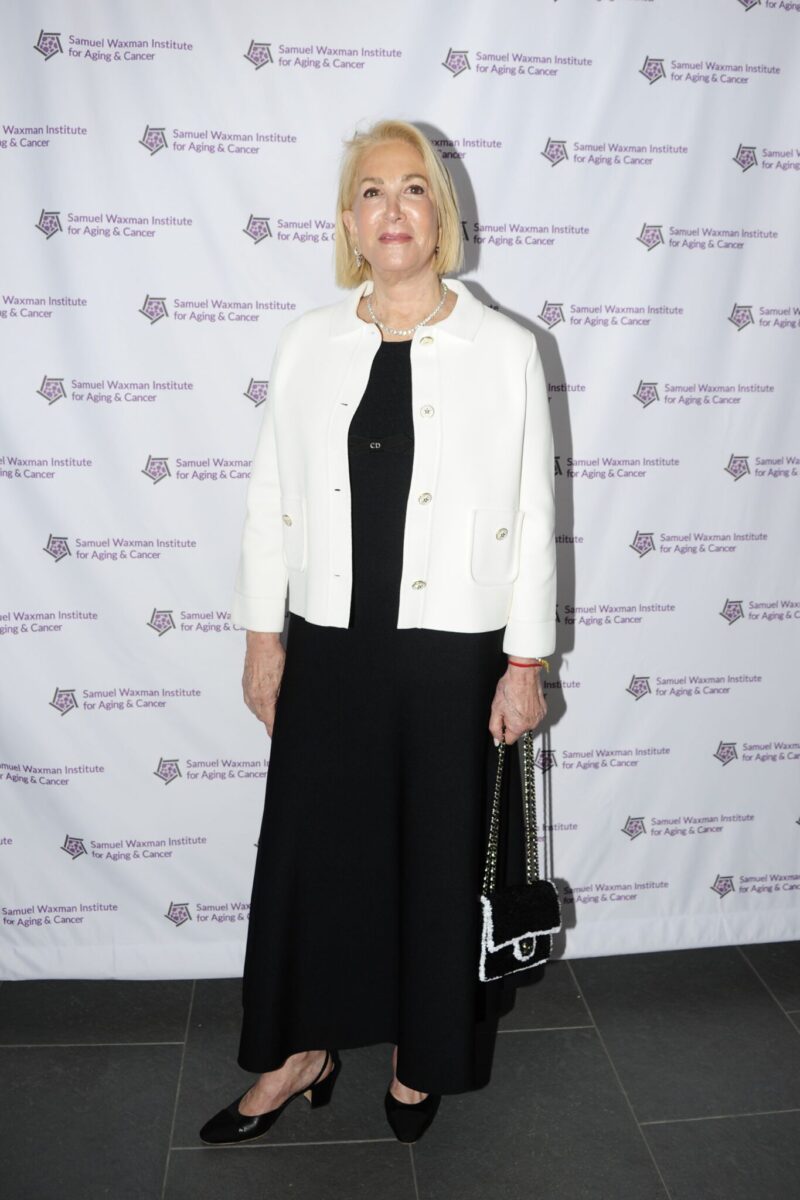
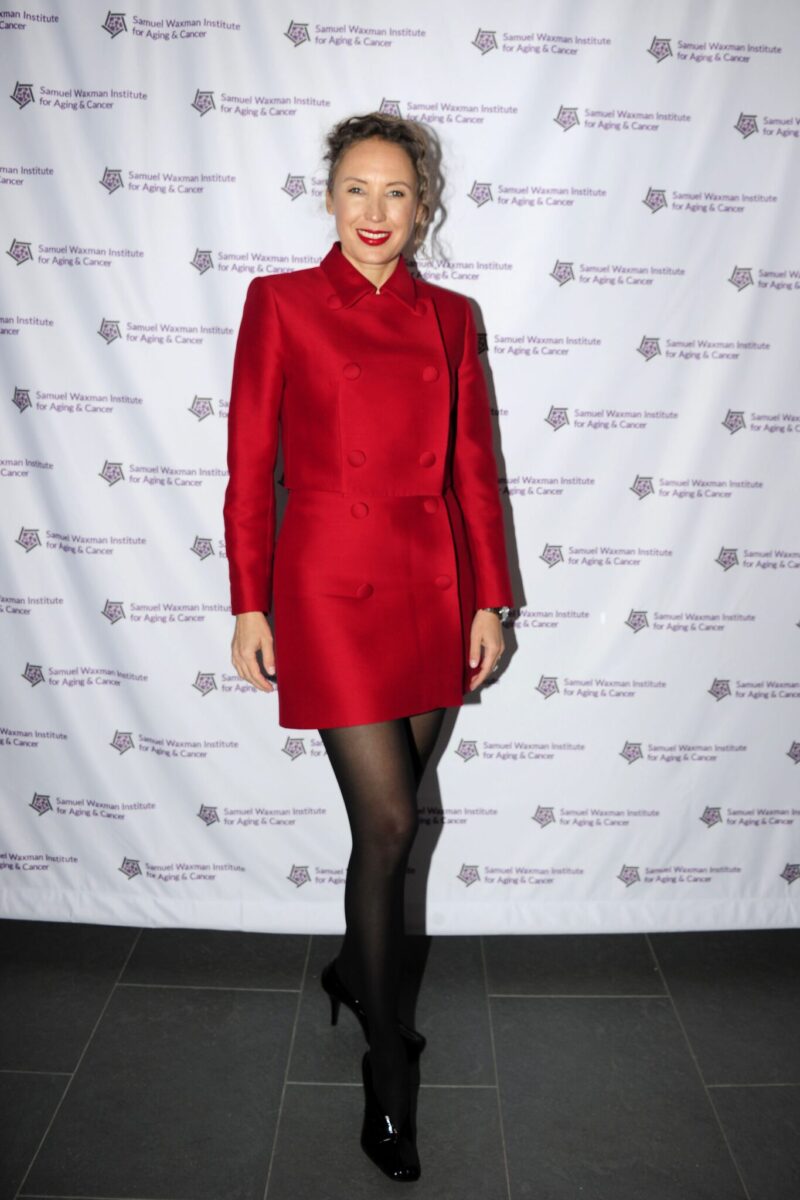
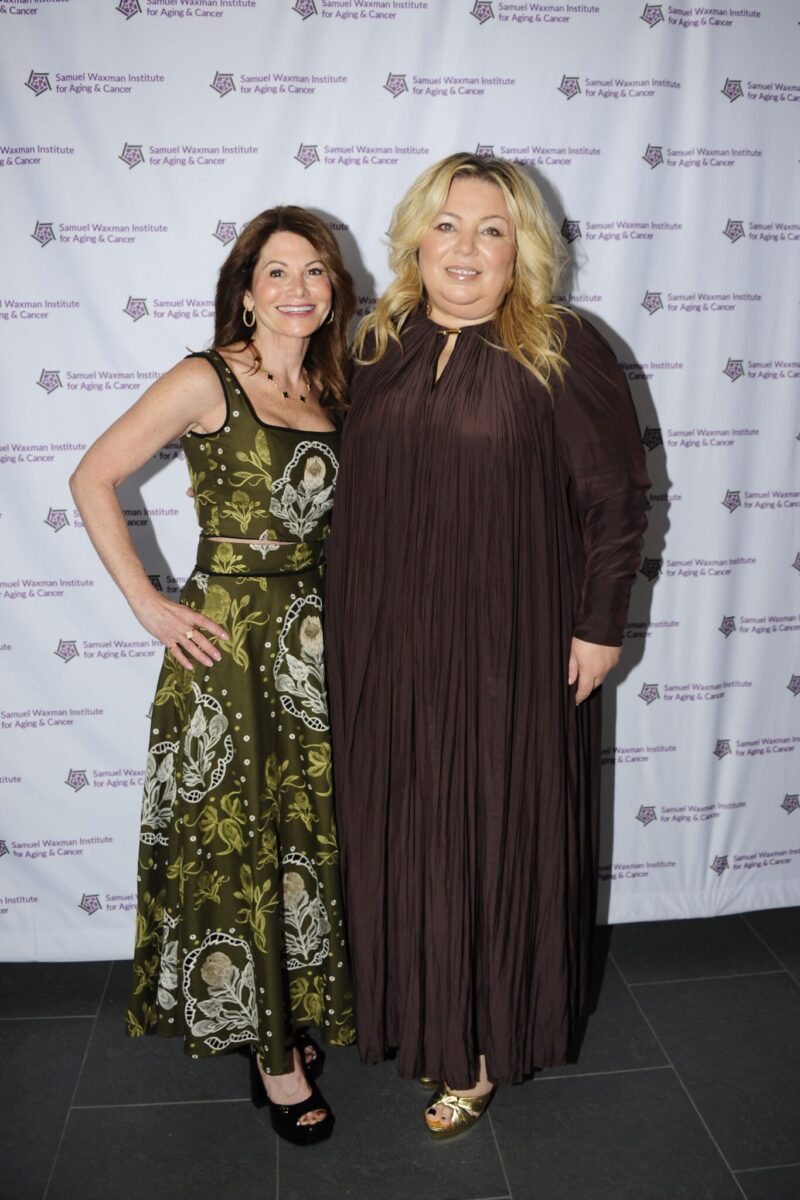
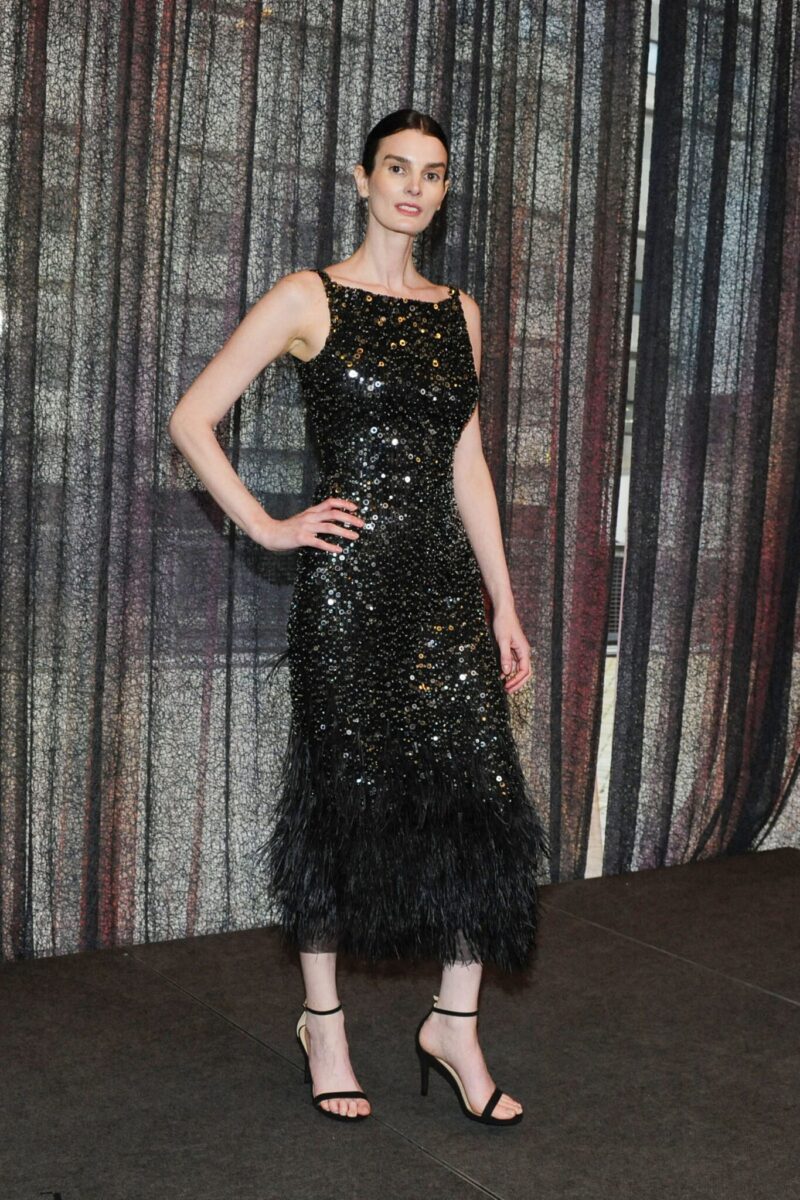
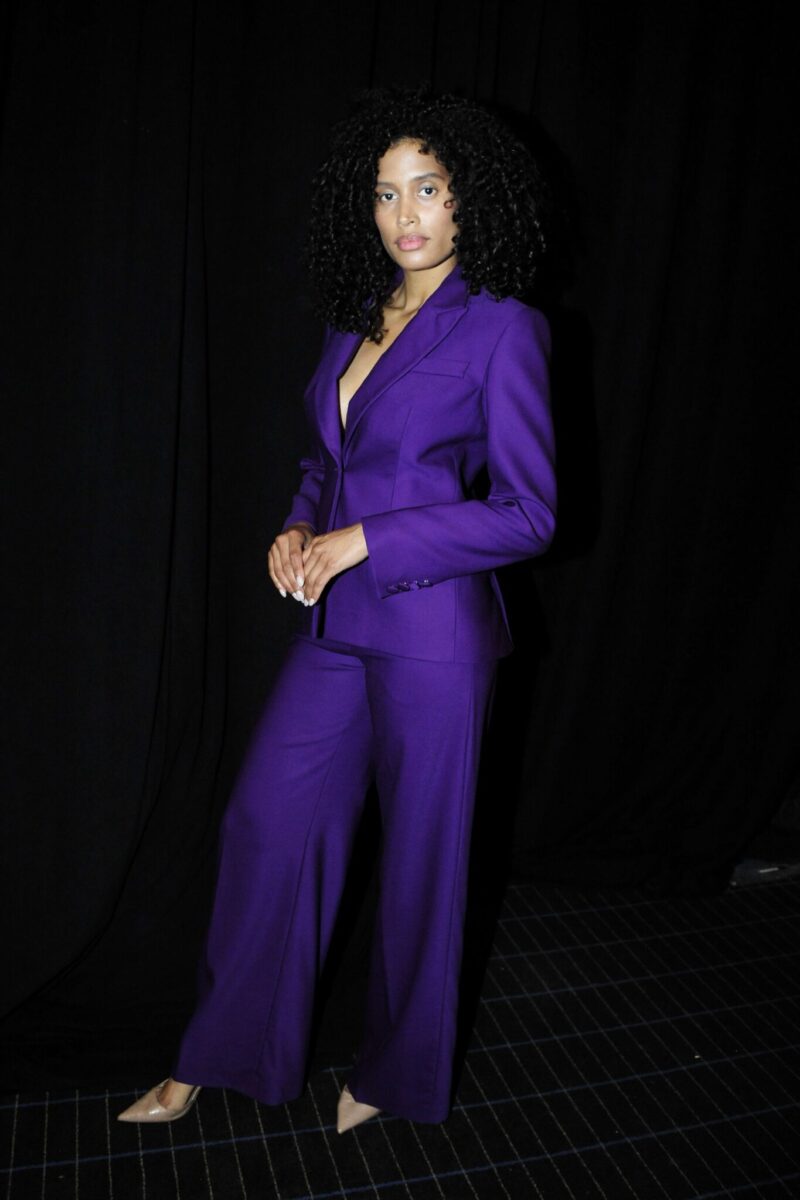
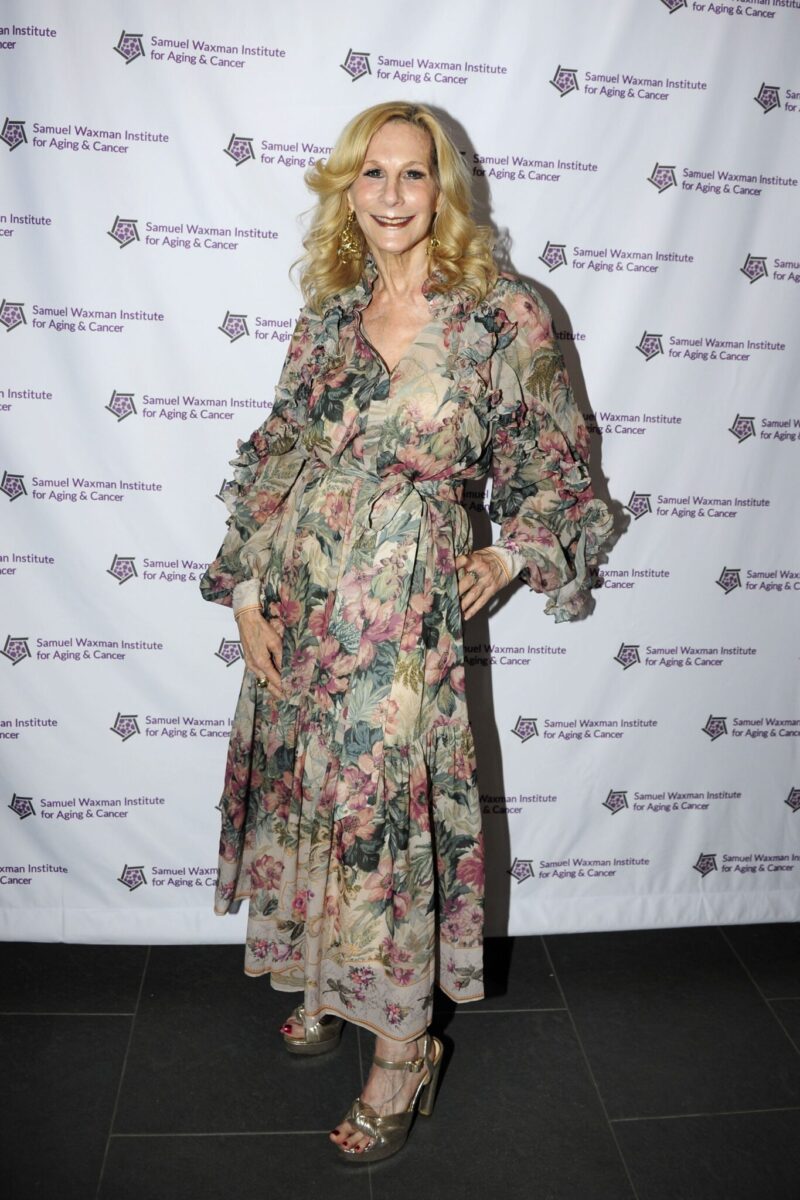
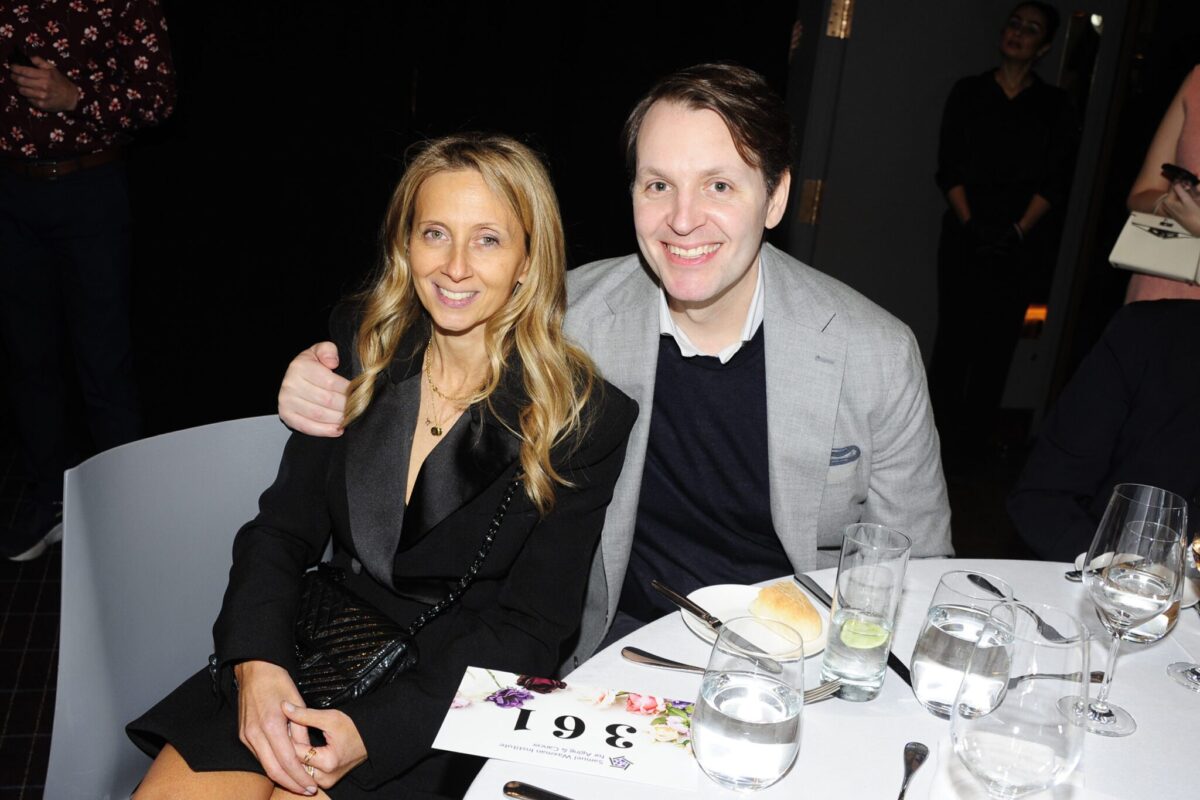
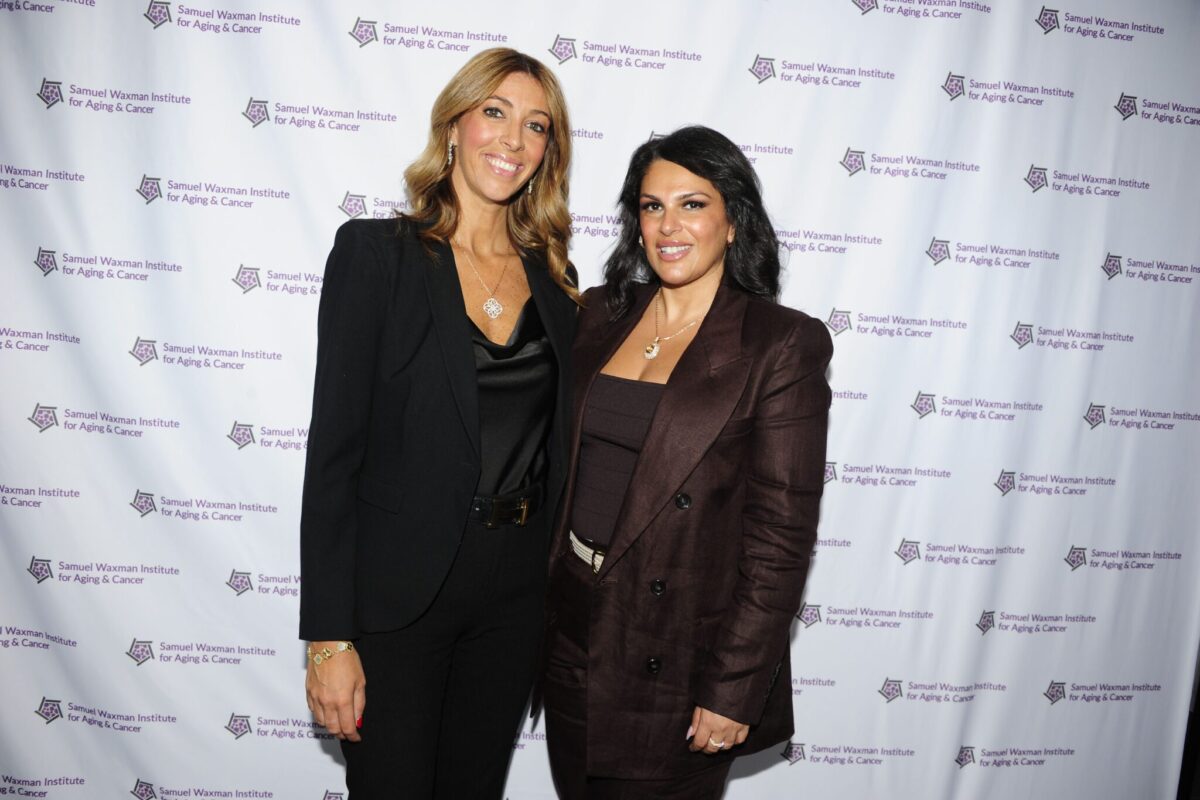
Among those in attendance were Dr. Samuel Waxman and Marion Waxman, honorees Alexandra Adame and Mary Slattery, Navarre Rice and Danielle Karnuts of Safiyaa, and Tali Mehdyzdeh of Brilliant Star. The event was led by Chairs Marion N. Waxman, Susan Pernick and Dina Koutroumanis, with Co-Chairs Erica Linden-Fineberg, Nancy Litman and Helen Vaysman. The committee included Sandy Ackerman, Jessica DiPalma, Orital Karelic, Norah Lawlor, Lorri Scott, Tali Mehdyzdeh and Randi Schatz, whose combined efforts shaped an afternoon where science, fashion and philanthropy sat comfortably at the same table.
The Institute behind the luncheon is relatively new in name and long-established in practice. It was created in July 2025 through the merger of the Samuel Waxman Cancer Research Foundation and The Mark Foundation for Cancer Research, formalizing a partnership the two organizations had built over years of shared work and a mutual belief in open science. Under The Mark Foundation, the Waxman Institute draws on a global network of cancer research experts and an operating model built for collaboration across borders. It also carries forward the Samuel Waxman Cancer Research Foundation’s fifty-year record of international scientific cooperation, a legacy that has contributed to meaningful advances in cancer treatment.
Fifty years is a useful measure at an event like this one. It is roughly the span between the earliest questions the Foundation asked and the treatments now available to patients, and it is a reminder that research operates on a timeline few luncheons can match. What the afternoon at Riverpark provided was fuel for that longer effort: money raised, then doubled, and handed to scientists working on the connection between how we age and how cancer takes hold. The guests will remember the jewelry and the fashion. The laboratories will remember the funding.