Twenty years ago, there was a simple answer to the question of what success looked like.
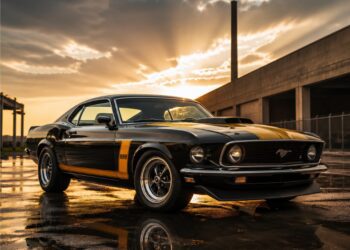
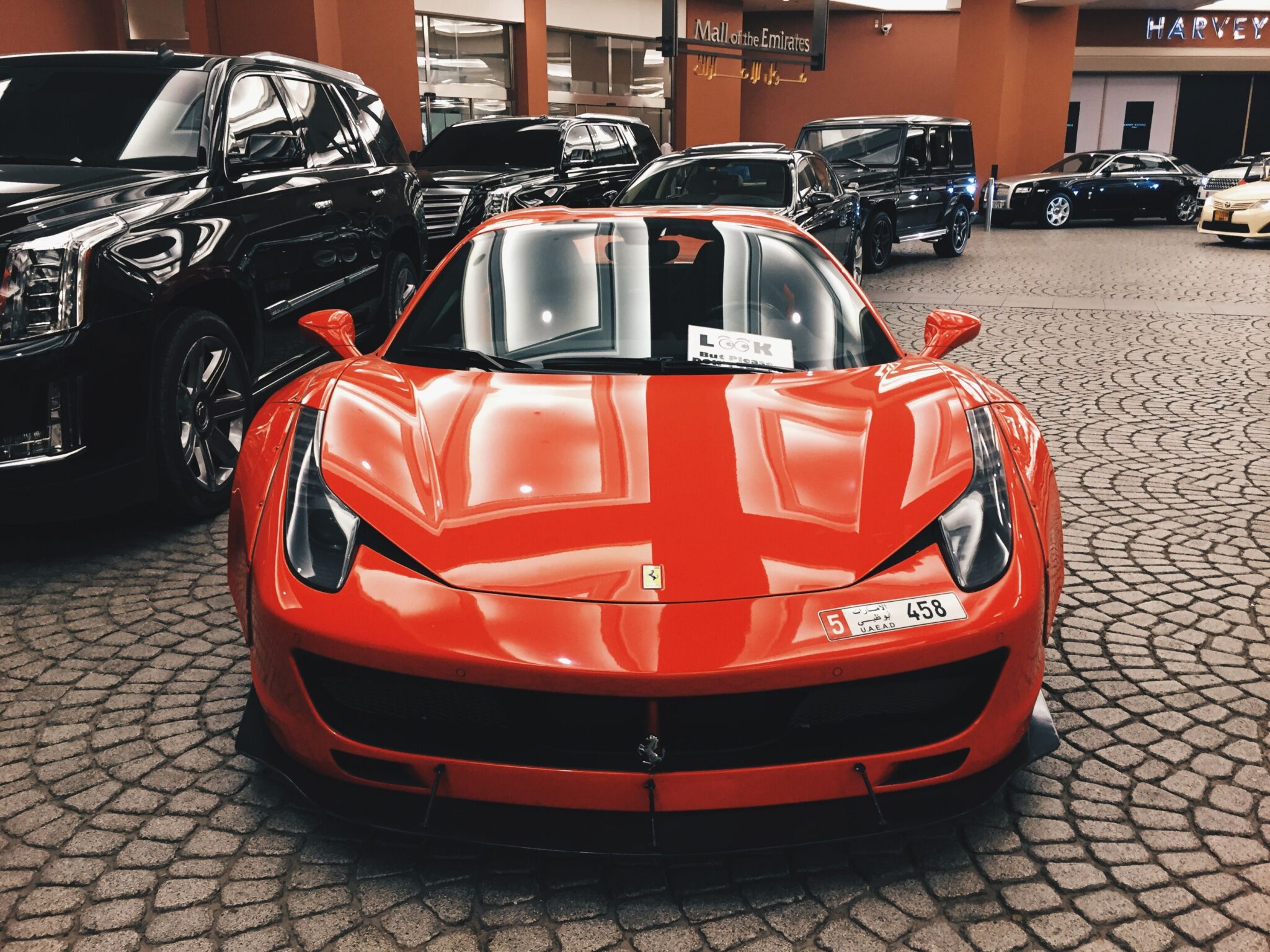
It was usually bright red, bright yellow, or jet black. It sat low to the ground, made far too much noise, and attracted attention long before anyone saw who was driving it.
The supercar wasn’t just transportation. It was proof. It told the world that its owner had achieved something. Whether they were a business owner, athlete, entertainer, or investor, the message was easy to understand.
People bought houses for themselves. They bought supercars for everyone else.
That may sound harsh, but there was a time when very few luxury purchases delivered the same public impact. A Ferrari parked outside a restaurant said more than any business card ever could.
The supercar never really went away. Ferrari still sells cars. Lamborghini still sells cars. Wealthy people still buy them.
Yet somehow the supercar no longer sits at the centre of luxury culture the way it once did. Something changed. It wasn’t the cars, but the people.
For a long time, luxury followed a fairly predictable script. There were certain things successful people were expected to buy. Expensive watches. Designer clothing. Luxury cars. Large homes.
Those purchases acted like milestones. You reached a certain level of success and rewarded yourself accordingly.
Luxury No Longer Follows One Formula
Now the picture looks very different. Ask ten wealthy people what they spend money on, and you may get ten completely different answers.
One person spends heavily on travel. Another collects art. Someone else invests in wine. A friend may spend thousands every year on wellness retreats and private fitness programs. Another person may prefer experiences that barely leave any physical evidence at all.
The money is still being spent. It is simply flowing in more directions than before.
Even entertainment habits have become fragmented. People move between streaming platforms, private clubs, sporting events, premium memberships, and digital leisure activities. In some markets, online live casino Singapore platforms form part of that broader entertainment landscape.
Online Casinos Singapore compete for attention alongside countless other experiences that did not exist in the same form a generation ago.
The result is that luxury no longer revolves around one or two obvious purchases.
It has become much harder to define.
When Experiences Started Winning
That change becomes obvious when you look at younger wealthy consumers.
A generation ago, owning an exotic car often appeared near the top of the wish list. It represented freedom, achievement, and status all at once.
Today many successful young entrepreneurs seem less interested in collecting things and more interested in collecting experiences.
A luxury holiday creates memories. A private event creates stories. An unusual trip creates photographs, conversations, and personal experiences that can last for years. A car still creates excitement, but it sits in a garage for much of the time.
That difference matters. The conversation around luxury has gradually moved from ownership toward access.
People increasingly want access to places, events, communities, and experiences that feel difficult to reach. Being invited somewhere special often feels more exclusive than buying something expensive.
The old version of luxury focused heavily on visibility. The newer version often focuses on access.
There is another reason the supercar lost some of its influence. People simply see them more often than they used to.
Years ago, spotting a Lamborghini in traffic felt unusual. Today, it can happen several times before lunch in certain cities. Social media accelerated this change. Luxury cars became content.
Every platform is filled with videos of exotic vehicles, luxury garages, private collections, and automotive influencers.
Ironically, the constant visibility made these cars feel slightly less extraordinary.
When everyone can see hundreds of supercars every day on a screen, the sense of rarity naturally changes.
The same thing happened across luxury culture. Private jets became content. Luxury hotels became content. Designer watches became content. The internet turned exclusive experiences into everyday viewing material.
People adapted. What once felt exceptional gradually became familiar.
The Rise of Quiet Luxury
This doesn’t mean luxury disappeared. It simply moved.
Some people moved toward privacy. Others moved toward experiences. Many started valuing things that attract less public attention.
The phrase “quiet luxury” became popular for exactly that reason. Luxury publications have increasingly documented this change, noting growing interest in understated purchases and experience-led spending among affluent consumers.
Instead of showing wealth through obvious logos and highly visible purchases, some affluent consumers began preferring things that only a small number of people would recognise.
A tailored jacket without branding. A watch known only to enthusiasts. A membership unavailable to the general public. A holiday destination that rarely appears on social media.
None of these choices create the same immediate impact as a bright orange supercar.
That is partly the point. Not everyone wants attention anymore. For some people, avoiding attention has become a luxury in itself. Of course, none of this means the supercar is finished, far from it. The emotional appeal remains powerful.
The sound of a naturally aspirated engine still turns heads. Exceptional design still attracts admiration. Automotive enthusiasts continue treating certain vehicles almost like works of art.
There will always be people who love cars. And there will always be collectors willing to spend enormous amounts on rare models.
The difference is that owning one no longer tells a complete story about a person’s lifestyle or priorities.
Twenty years ago, a supercar often sat at the top of the luxury hierarchy. Today it occupies one place among many.
That may be the biggest change of all. Success has become personal. Some people express it through travel. Others through philanthropy.
Some through property. Others through experiences. And yes, some still choose a Ferrari. The supercar did not lose its appeal. It simply lost its position as the universal symbol of success in a world where success itself has become much harder to define.