The modern automotive market is saturated with high-tech electric vehicles and mass-produced luxury sedans that frequently feel completely devoid of distinct character. True automotive refinement, however, lies not in contemporary digital screens or autonomous driving features but deep within the rich heritage of classic vehicular design.
Vintage vehicles capture a unique sense of historical identity and mechanical purpose that modern assembly-line luxury simply cannot replicate, offering discerning drivers a genuine connection to the past.
The Artistry Of Handcrafted Engineering
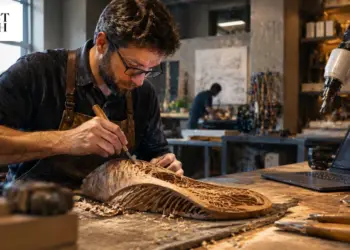
Early automotive manufacturing relied heavily on the specialized skill of individual artisans rather than automated robotic assembly lines. Every elegant curve of the sheet metal chassis and every single stitch of the interior leather upholstery reflected hours of meticulous manual labor. Such focused dedication created historic vehicles that felt more like rolling works of fine art than simple modes of daily transportation.
Master coachbuilders shaped aluminum and steel body panels completely by hand, ensuring that no two finished vehicles were completely identical. Minor variations gave each individual machine a distinct personality and a mechanical soul that modern manufacturing processes systematically eliminate. Modern connoisseurs recognize this irreplaceable human touch as a fundamental pillar of authentic high-end motoring prestige.
Historical Significance And Nostalgic Value
Driving a historic automobile allows contemporary enthusiasts to connect directly with pivotal moments in global cultural and industrial history. Every minor scratch, original factory option, and nicely weathered dashboard component tells a fascinating story about the precise era in which the vehicle was originally assembled. Crucial historical context adds a deep layer of intellectual satisfaction that a modern showroom vehicle lacks entirely.
Cultural milestones are often perfectly mirrored in the design language of classic sports cars and elegant grand touring models. Post-war economic optimism, early aerodynamic discoveries, and classic artistic movements like Art Deco all left permanent marks on historic automotive styling. Owning these machines means preserving a tangible piece of twentieth-century human achievement and industrial design evolution.
Nostalgia plays a massive role in elevating the prestige of vintage machinery among affluent collectors across the globe. Evoking memories of legendary historic races, classic cinematic appearances, or childhood dreams creates a powerful emotional bond that contemporary vehicles cannot forge.
The Exclusivity Of Rarity And Finite Supply
Modern luxury vehicles are produced in massive quantities to satisfy global corporate sales targets and maximize annual shareholder revenue. In stark contrast, the global supply of genuine classic automobiles is strictly finite and diminishes slightly with every single passing year. Supreme rarity creates an inherent level of prestige that modern wealth alone cannot easily secure on the open market.
Finding a well-preserved classic requires immense patience, extensive networking, and a deep understanding of international automotive history. Enthusiasts often spend several years searching for specific model variants, original color combinations, or rare factory performance options. The absolute scarcity of these vehicles ensures that arrivals at prestigious automotive events always command undivided public attention.
Individuals seeking exceptional classics often consult specialized classic-car dealerships such as Gullwing Motor Cars to find authenticated, high-quality models. Utilizing expert acquisition services helps buyers navigate the complex global market and secure truly exclusive vehicular assets. Careful curation processes reinforce the elite status associated with vintage ownership, keeping the market vibrant.
Mechanical Authenticity Versus Digital Domination
Contemporary luxury automobiles rely heavily on massive digital screens, complex sensor arrays, and software algorithms that quickly become obsolete. Such electronic systems create an unfortunate layer of isolation between the operator and the pavement, reducing driving to a passive experience. Vintage machinery demands active participation, offering an unadulterated connection to the mechanical world.
- Operating a classic vehicle involves mastering the nuances of a manual gearbox, understanding engine notes, and feeling the road surface through unassisted steering.
- Every single input from the driver yields an immediate, completely predictable physical response from the machine itself.
An organic feedback loop forms the core of genuine driving pleasure, celebrating mechanical transparency over modern digital automation.
Timeless Design Aesthetics That Transcend Trends
Modern car designs are heavily constrained by strict aerodynamic regulations, pedestrian safety laws, and standardized corporate manufacturing platforms. Consequently, many contemporary luxury vehicles look remarkably similar, sharing homogeneous shapes and aggressive styling cues that fade quickly. Classic automobiles, however, were designed in an era of stylistic freedom, resulting in iconic silhouettes that remain beautiful.
Elegant proportions, sweeping fender lines, and minimalist chrome trim define the lasting aesthetic appeal of legendary mid-century motoring. Such design elements do not age or lose relevance when a newer model is released to the general public. They possess an enduring aesthetic value that continues to inspire artists, fashion designers, and architects worldwide.
Stepping inside a classic cabin reveals a minimalist approach to luxury that prioritizes high-quality, fully authentic cabin materials. Real wood veneers, genuine wool carpets, and mechanical analog gauges create an atmosphere of quiet, dignified sophistication. Such understated elegance stands in sharp contrast to the chaotic, screen-dominated interiors found in modern luxury transportation.
The Investment Potential Of Alternative Asset Classes
Standard luxury vehicles experience rapid, severe financial depreciation the moment they are driven away from the dealership showroom floor. Conversely, carefully maintained historic automobiles have proven to be highly resilient alternative investments over long-term financial horizons. Their capital appreciation potential makes them incredibly attractive to individuals looking to diversify portfolios with tangible goods.
Financial stability in this specialized luxury market is driven by the immutable law of supply and demand for historic artifacts. As more global wealth pursues a fixed number of legendary vehicles, market valuations naturally tend to face upward pressure. Such an economic reality transforms the passion of collecting into a legitimate strategy for long-term capital preservation.
Successful investment in classic machinery requires careful research into vehicle provenance, production numbers, and historical restoration quality. Collectors who prioritize absolute authenticity and historical significance are often rewarded with substantial long-term financial gains.
True automotive luxury is not defined by fleeting electronic innovations or temporary stylistic trends that fade within a few production cycles. Instead, luxury resides in the enduring craftsmanship, rich historical narratives, and unmatched exclusivity found only in vintage vehicles. These legendary machines offer a soulful driving experience that modern automotive manufacturers simply cannot replicate today.