Petalas Island is rapidly emerging as one of the most intriguing private island opportunities in Europe, capturing the attention of global wealth, luxury real estate investors, and ultra-high-net-worth individuals seeking exclusivity in the Mediterranean. As demand for rare lifestyle assets continues to rise, private islands are increasingly viewed not only as prestigious retreats but also as strategic long-term investments. Within this evolving landscape, Petalas Island stands out as a remarkable example of a scarcity-driven asset positioned at the intersection of privacy, natural beauty, and wealth preservation.
Across the world, affluent buyers are shifting toward tangible luxury assets that offer both emotional and financial value. Consequently, demand for a private island Greece experience has intensified as investors search for destinations that combine geopolitical stability, limited supply, and world-class natural environments. Greece, with its iconic coastline and growing luxury property market, has become one of Europe’s most desirable destinations for premium real estate.
Moreover, the broader rise of Mediterranean luxury travel and exclusive ownership opportunities has elevated interest in secluded island properties. Investors increasingly seek a luxury island retreat Greece can offer without the crowds associated with traditional resort destinations. Against this backdrop, Petalas Island represents a compelling opportunity within the expanding world of ultra-luxury real estate Greece, attracting buyers who value privacy, control, and legacy ownership.
Why Petalas Island Is Attracting Global Wealth
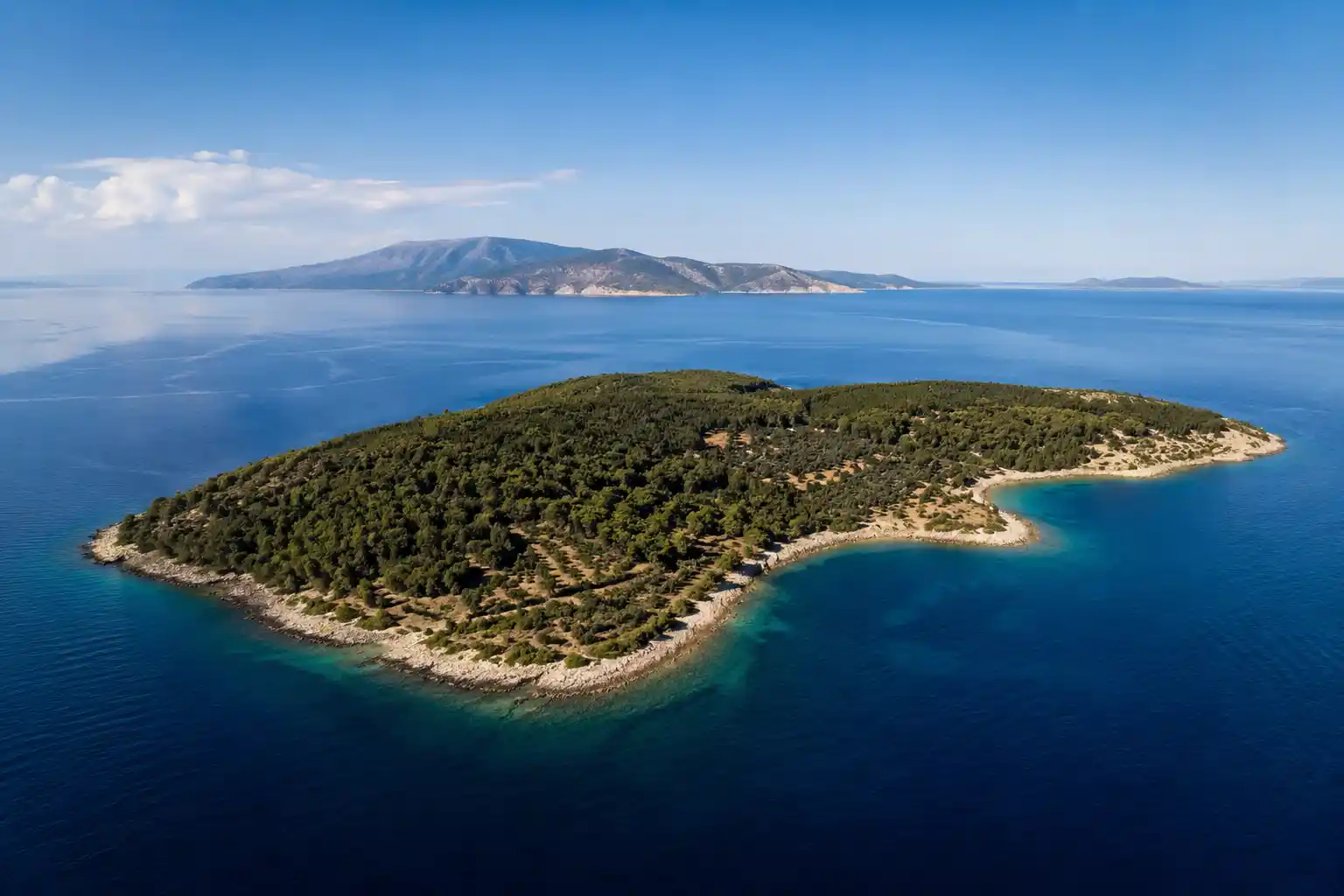
Located within the Ionian region of western Greece, Petalas Island occupies a strategic position in one of the Mediterranean’s most scenic and prestigious coastal zones. Unlike highly commercialized island destinations, it offers an uncommon level of seclusion while remaining accessible from major European gateways.
Several factors contribute to its growing appeal among global investors:
- Exceptional privacy and low population density
- Large-scale land ownership potential
- Direct access to pristine Mediterranean waters
- Strong appeal among high-net-worth island buyers
- Limited availability of comparable assets
- Growing international interest in Greek luxury property
Moreover, many affluent buyers now prioritize privacy over visibility. While luxury travelers once gravitated toward bustling resort destinations, today’s wealthiest individuals increasingly prefer environments where discretion and personal space define the experience.
Consequently, Petalas Island aligns perfectly with evolving wealth trends. It offers natural isolation without sacrificing connectivity, making it attractive for both lifestyle ownership and future development opportunities.
The Natural Beauty and Mediterranean Setting
One of the strongest advantages of Petalas Island lies in its spectacular natural environment. The island showcases the classic beauty that has made Greece synonymous with luxury coastal living.
Crystal-clear waters surround rugged shorelines, while Mediterranean vegetation creates a landscape characterized by authenticity rather than mass tourism. Meanwhile, the region enjoys a favorable climate with long summers, mild winters, and abundant sunshine throughout much of the year.
The environmental appeal includes:
- Scenic coastlines and secluded coves
- Rich Mediterranean biodiversity
- Excellent yachting conditions
- Clean waters suitable for recreational activities
- Panoramic sea views
- Minimal urban development
These qualities create a lifestyle environment increasingly sought after by global elites seeking refuge from densely populated urban centers.
Natural and Lifestyle Comparison
| Feature | Petalas Island | Typical Mediterranean Resort |
|---|---|---|
| Privacy | Extremely High | Moderate |
| Visitor Density | Very Low | High |
| Natural Landscape | Largely Untouched | Heavily Developed |
| Noise Levels | Minimal | Elevated During Peak Season |
| Exclusivity | Exceptional | Limited |
| Long-Term Scarcity | High | Moderate |
Furthermore, natural beauty increasingly influences real estate valuation. Buyers today often place significant value on environmental quality, scenic integrity, and the ability to enjoy authentic Mediterranean experiences away from crowds.
As a result, Petalas Island occupies a unique position within the luxury market, combining natural preservation with substantial future potential.
Private Island Living in Greece
The concept of private island ownership has evolved dramatically over the last decade. Rather than merely serving as vacation properties, islands increasingly function as highly personalized lifestyle ecosystems.
For investors exploring exclusive island ownership, Petalas Island presents multiple possibilities:
- Luxury villa compounds
- Boutique hospitality concepts
- Wellness-focused retreats
- Family legacy estates
- Sustainable eco-luxury developments
- Private yachting hubs
Additionally, Greece continues to strengthen its reputation as a premier destination for luxury property ownership. International investors appreciate the country’s legal framework, established tourism infrastructure, and global brand recognition.
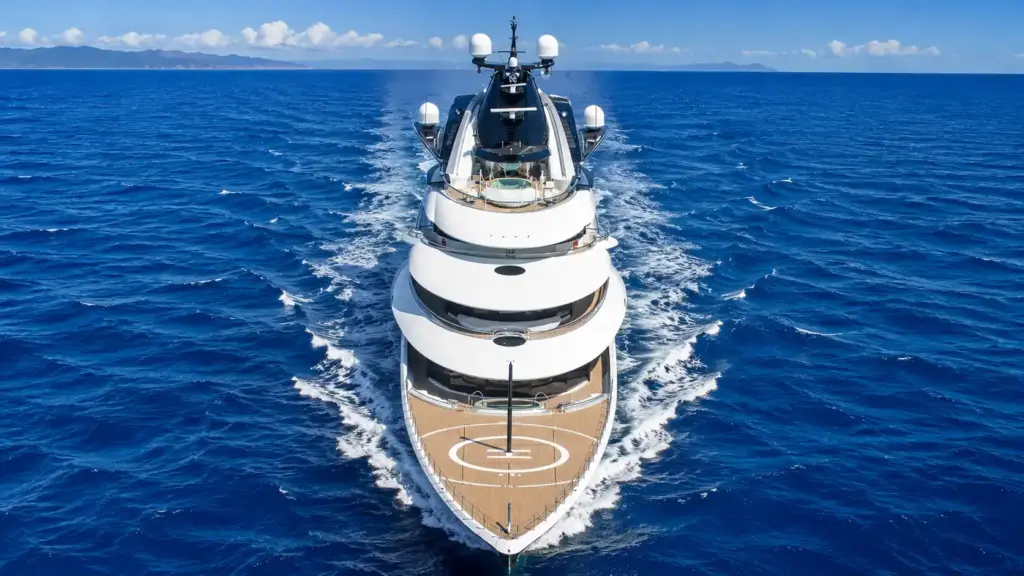
Accessibility also plays an important role. Owners can utilize regional airports, helicopter transfers, and private yacht networks connecting major Mediterranean destinations. Consequently, the island offers both exclusivity and practical access for international visitors.
Architecturally, the island presents opportunities to create contemporary Mediterranean residences that blend luxury with environmental sensitivity. Modern buyers increasingly favor properties that integrate seamlessly with natural surroundings rather than dominate them.
Therefore, Petalas Island offers more than privacy alone—it provides a platform for creating highly customized luxury experiences aligned with modern lifestyle expectations.
Petalas Island vs Mykonos, Santorini, Corfu, and Ibiza
The Mediterranean contains numerous elite destinations. However, each serves a different segment of the luxury market.
Mykonos
Mykonos remains one of Greece’s most recognized luxury destinations. However, tourism intensity continues to increase, reducing privacy during peak seasons. While luxury appeal remains exceptionally strong, exclusivity can be difficult to maintain.
Santorini
Santorini offers iconic scenery and global recognition. Nevertheless, high visitor numbers and limited development space create challenges for buyers seeking complete seclusion.
Corfu
Corfu combines natural beauty with established luxury infrastructure. In contrast to Mykonos and Santorini, it offers a more relaxed environment, although privacy levels vary significantly by location.
Ibiza
Ibiza continues to attract affluent buyers through its luxury hospitality sector. On the other hand, its vibrant tourism scene often appeals more to social visibility than complete isolation.
Luxury Destination Comparison
| Destination | Privacy | Luxury Appeal | Tourism Intensity | Investment Outlook |
| Petalas Island | Very High | Very High | Very Low | Strong |
| Mykonos | Moderate | Exceptional | Very High | Strong |
| Santorini | Moderate | Exceptional | Very High | Strong |
| Corfu | High | High | Moderate | Stable |
| Ibiza | Moderate | Very High | High | Strong |
Ultimately, Petalas Island distinguishes itself through scarcity and privacy. While famous destinations excel in hospitality and recognition, Petalas offers something increasingly rare: genuine exclusivity.
Investment Potential in the Mediterranean Private Island Market
The global luxury real estate market increasingly rewards scarcity. Consequently, private islands represent one of the rarest categories within the broader property landscape.
Several factors support long-term demand:
- Limited global inventory
- Growing international wealth creation
- Increased focus on asset diversification
- Rising demand for experiential ownership
- Strong interest in Mediterranean locations
- Wealth preservation benefits
Moreover, foreign buyers continue to show interest in Greek island investment opportunities due to favorable lifestyle conditions and Europe’s enduring appeal.
Private islands differ from traditional luxury homes because supply cannot easily expand. While developers can build additional luxury villas, they cannot create new islands. Therefore, scarcity becomes a powerful driver of long-term value.
Additionally, many investors view premium islands as alternative wealth preservation vehicles. Similar to fine art, vineyards, and trophy properties, they possess unique characteristics that support desirability among elite buyers.
As a result, Petalas Island fits squarely within a growing category of investment-grade lifestyle assets increasingly favored by global wealth holders.
The Future of Mediterranean Private Island Ownership (2026 and Beyond)
The luxury market continues evolving toward experiences rather than possessions alone. Consequently, ownership models increasingly emphasize lifestyle integration, environmental stewardship, and technological sophistication.
Several trends are shaping the future:
- Eco-luxury development strategies
- Sustainable infrastructure systems
- AI-enabled property management
- Private wellness ecosystems
- Digital connectivity for global entrepreneurs
- Personalized hospitality experiences
Meanwhile, affluent buyers increasingly seek destinations that support both recreation and remote work. Luxury no longer means occasional use; instead, many owners desire properties capable of supporting year-round lifestyles.
Furthermore, climate resilience and sustainability have become important considerations. Investors increasingly prioritize developments that balance luxury with environmental responsibility.
Therefore, Mediterranean islands that combine natural beauty, accessibility, and long-term scarcity are likely to remain highly attractive within global wealth portfolios.
Unique Insight: When Geography Becomes a Store of Value
Perhaps the most important trend shaping luxury real estate in 2026 is the transformation of geography itself into a store of value.
Historically, luxury property focused on architecture, amenities, and location. Today, however, scarcity increasingly outweighs physical development. Investors recognize that unique landscapes cannot be replicated, expanded, or manufactured.
Private islands now function as scarcity-driven wealth instruments. Their value stems not only from structures built upon them but also from the exclusivity inherent in their existence. Consequently, ownership increasingly represents control over a finite geographic asset.
Petalas Island exemplifies this evolution. Rather than competing with luxury resorts through infrastructure alone, it offers something fundamentally rarer: complete control over a private Mediterranean environment.
Moreover, trophy assets increasingly blur the line between lifestyle and investment. Owners seek privacy, legacy creation, family experiences, and wealth preservation simultaneously. Therefore, acquisition decisions increasingly combine emotional and financial considerations.
In this context, Petalas Island symbolizes a broader shift toward tangible, finite, experience-driven assets that cannot be replicated. As global wealth continues to grow, such assets may become even more desirable among future generations of elite investors.
Conclusion
As luxury real estate continues evolving toward scarcity-driven assets, Petalas Island stands out as one of the Mediterranean’s most compelling opportunities. Its combination of privacy, natural beauty, strategic location, and development potential aligns closely with the priorities of modern high-net-worth buyers.
Moreover, rising demand for private island Greece opportunities reflects broader shifts within global wealth management, where lifestyle and investment increasingly converge. While destinations such as Mykonos, Santorini, Corfu, and Ibiza remain highly desirable, Petalas Island offers a level of exclusivity that is becoming increasingly difficult to find.
Consequently, as global investors pursue rare experiences, tangible luxury, and legacy ownership, Petalas Island may emerge as one of the defining examples of the future of exclusive Mediterranean property—a place where geography, privacy, and long-term value intersect in a uniquely powerful way.
Frequently Asked Questions
Where is Petalas Island located?
Petalas Island is located in western Greece within the Ionian region, offering access to beautiful Mediterranean waters and scenic coastal landscapes.
Is Petalas Island privately owned?
Private islands in Greece can be privately owned, subject to local regulations and legal requirements governing land ownership and development.
Can foreigners buy private islands in Greece?
Yes. Foreign buyers can acquire property in Greece, although specific legal procedures, due diligence requirements, and approvals may apply.
Why is Petalas Island attractive to investors?
Its combination of scarcity, privacy, natural beauty, and long-term development potential makes it appealing to luxury real estate investors.
How does Petalas Island compare to Mykonos?
Petalas Island offers significantly greater privacy and exclusivity, while Mykonos provides stronger tourism infrastructure and international visibility.
What makes Greek islands popular among billionaires?
Greece offers stunning scenery, favorable climate conditions, strong tourism appeal, and increasing demand for luxury coastal real estate.
Is Petalas Island developed for tourism?
Compared with major Mediterranean destinations, development remains limited, helping preserve its exclusivity and natural character.
What is the cost of private island ownership in Greece?
Costs vary significantly depending on size, location, infrastructure, accessibility, and development potential.
Why is Mediterranean luxury real estate growing?
Global wealth growth, lifestyle-driven investing, and demand for scarce coastal assets continue supporting the Mediterranean luxury market.
Is Petalas Island a good long-term investment?
Petalas Island may appeal to investors seeking rare, finite assets with strong exclusivity characteristics and long-term scarcity value.