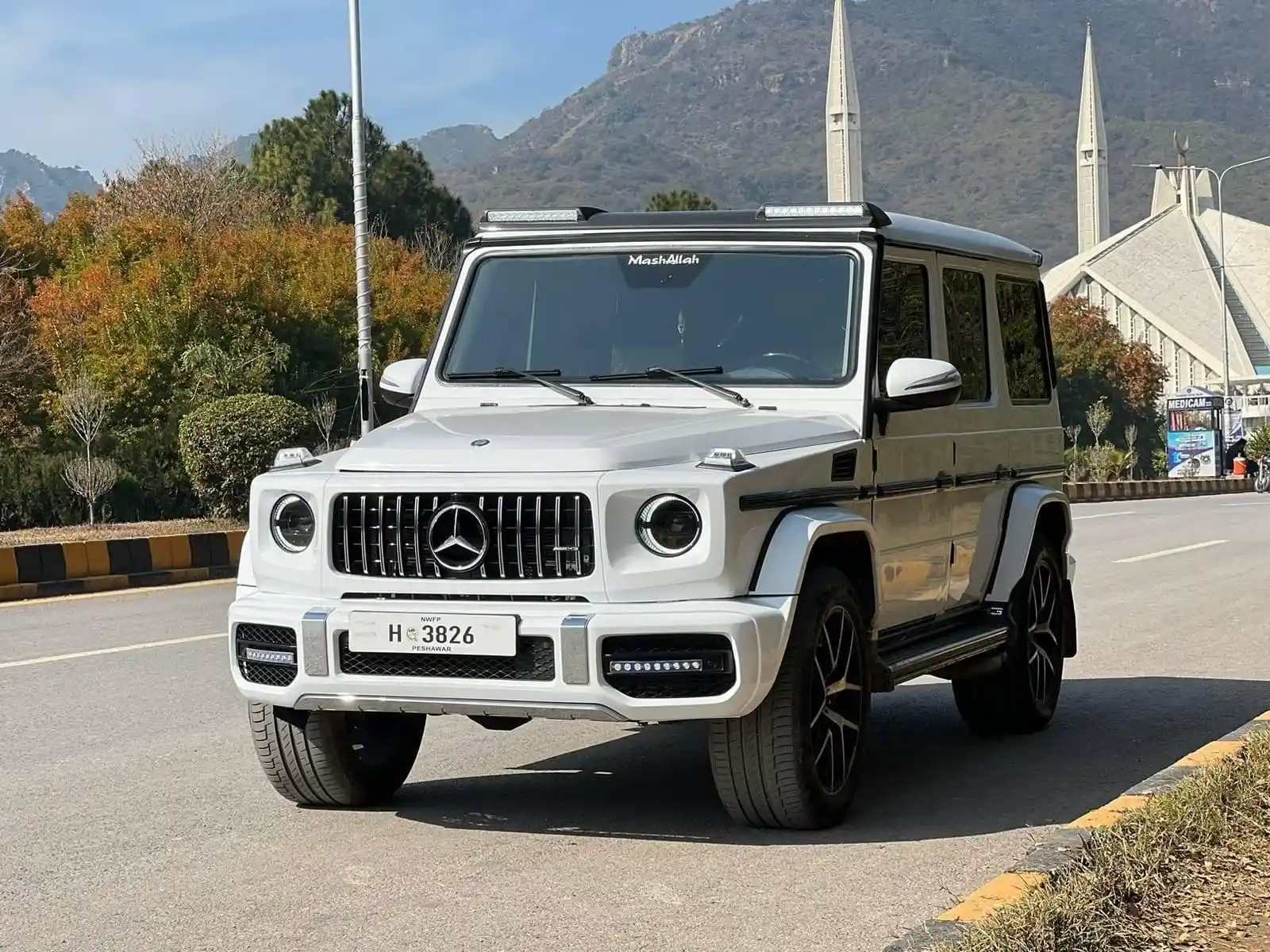
The Mercedes G-Class occupies a unique position in the automotive world. Within a market crowded with high-performance SUVs and ultra-premium vehicles, few models command the same level of recognition, prestige, and cultural influence. Originally designed as a rugged off-road machine, the G-Class has evolved into one of the most powerful symbols of success, exclusivity, and luxury ownership.
Today, the G-Wagon is far more than a luxury SUV. It represents a lifestyle choice embraced by billionaires, celebrities, entrepreneurs, professional athletes, and affluent enthusiasts around the world. Moreover, its enduring appeal demonstrates how heritage and authenticity continue to matter in an era increasingly defined by rapid technological change and evolving consumer preferences.
As luxury automotive trends 2026 continue shifting toward personalization, exclusivity, and experiential ownership, iconic vehicles have become increasingly desirable. Buyers are no longer selecting vehicles solely for performance or practicality. Instead, they seek products that communicate identity, influence, and achievement. Consequently, the G-Class has become a cornerstone of the modern G-Class luxury lifestyle, blending exceptional capability with unmistakable prestige.
The remarkable journey of the Mercedes G-Class—from military utility vehicle to global luxury icon—offers valuable insight into how engineering excellence, cultural relevance, and brand heritage can create lasting desirability. Its success illustrates why some vehicles transcend transportation and become enduring symbols of wealth and influence.
From Military Utility to Luxury Icon
The origins of the Mercedes G-Class trace back to the 1970s, when Mercedes-Benz developed the vehicle as a highly durable off-road platform capable of military and governmental service. Engineers prioritized ruggedness, reliability, and all-terrain capability above all else.
The original G-Class featured:
- Body-on-frame construction
- Locking differentials
- Exceptional ground clearance
- Robust drivetrain systems
- Military-grade durability
Unlike many vehicles that undergo dramatic redesigns over time, the G-Class retained its distinctive silhouette. Its upright stance, flat panels, exposed hinges, and boxy proportions became defining characteristics that distinguished it from competitors.
As civilian demand increased, Mercedes gradually introduced more luxurious versions. However, the company carefully preserved the vehicle’s core identity. Therefore, the G-Class evolved without sacrificing the authenticity that made it unique.
During the 1990s and 2000s, Mercedes expanded luxury features, performance upgrades, and customization options. Meanwhile, growing global wealth created new demand for vehicles that combined capability with exclusivity.
This transformation allowed the G-Class to occupy a rare position within the automotive industry. It remained a genuine off-road vehicle while simultaneously becoming one of the most recognizable luxury products in the world. That balance continues to define its appeal today.
Why the Mercedes G-Class Commands Global Prestige?
The Mercedes G-Class enjoys a level of cultural influence that extends far beyond traditional automotive circles. Unlike many luxury vehicles that fade in and out of popularity, the G-Class has maintained relevance across multiple generations.
A major reason lies in its instantly recognizable design. Even individuals with little automotive knowledge can identify a G-Class from a distance. Consequently, its visual identity has become one of the strongest assets in the luxury automotive market.
Several factors contribute to its prestige:
- Timeless and recognizable styling
- Strong Mercedes-Benz heritage
- Celebrity and athlete ownership
- Global cultural recognition
- Limited production compared with mass-market SUVs
- Exceptional customization potential
Celebrity ownership has amplified the vehicle’s influence significantly. Musicians, actors, athletes, business leaders, and social media personalities frequently choose the G-Class, reinforcing its status as one of the world’s most desirable celebrity cars.
Mercedes G-Class vs Typical Luxury SUV
| Feature | Mercedes G-Class | Typical Luxury SUV |
|---|---|---|
| Design Recognition | Extremely High | Moderate |
| Heritage | Over 40 Years | Varies |
| Off-Road Capability | Exceptional | Limited |
| Status Value | Very High | Moderate |
| Customization Demand | High | Moderate |
| Cultural Influence | Global | Regional |
Moreover, the G-Class has become one of the most prominent examples of status symbol cars. Ownership often communicates achievement, influence, and confidence. As a result, the vehicle continues attracting buyers who value both substance and symbolism.
Its prestige stems not only from engineering but also from the powerful emotional connection it creates with owners, setting the stage for its enduring success.
Engineering Excellence and Off-Road Capability
Despite its luxury positioning, the Mercedes G-Class remains one of the most capable off-road vehicles available today.
Mercedes engineers have consistently enhanced performance while preserving the model’s legendary durability. Modern variants feature advanced powertrains, sophisticated suspension systems, and intelligent off-road technologies that improve both capability and comfort.
Key engineering highlights include:
- AMG high-performance powertrains
- Three locking differentials
- Advanced all-wheel-drive systems
- Adaptive suspension technology
- High-torque engine configurations
- Exceptional towing capability
Unlike many luxury SUVs that merely project rugged aesthetics, the G-Class delivers genuine off-road performance. Therefore, it appeals to buyers who value authenticity as much as luxury.
On paved roads, modern engineering refinements have significantly improved handling and ride quality. Consequently, owners enjoy a vehicle capable of navigating urban environments, highways, and remote terrain with equal confidence.
This combination of luxury and capability remains one of the defining strengths of the G-Class. Few competitors successfully balance these attributes without compromising one for the other.
Interior Luxury and Personalization
The transformation of the G-Class into an ultra-premium vehicle becomes most apparent inside the cabin.
Modern interiors showcase meticulous craftsmanship, advanced technology, and exceptional attention to detail. Hand-finished materials create an atmosphere comparable to many flagship luxury sedans.
Premium interior features often include:
- Handcrafted leather upholstery
- Digital cockpit displays
- Advanced infotainment systems
- Ambient lighting packages
- Heated, ventilated, and massaging seats
- Premium audio systems
Personalization plays a critical role within the G-Class luxury lifestyle. Buyers increasingly seek unique configurations that reflect individual tastes and lifestyles. Consequently, Mercedes offers extensive customization options through exclusive design programs and bespoke packages.
Technology integration further enhances the ownership experience. Large digital displays, intelligent driver assistance systems, and seamless connectivity solutions ensure the vehicle remains competitive within an increasingly digital luxury market.
Moreover, the interior successfully balances traditional craftsmanship with modern innovation. This combination reinforces the vehicle’s appeal among affluent consumers who appreciate both heritage and contemporary luxury.
Mercedes G-Class vs Competing Ultra-Luxury SUVs
Competition within the ultra-luxury SUV segment has intensified significantly. Nevertheless, the G-Class continues to occupy a distinctive position.
Range Rover SV
The Range Rover SV emphasizes refinement, elegance, and sophisticated luxury. It appeals to buyers seeking understated prestige and exceptional ride comfort.
Bentley Bentayga
The Bentayga combines handcrafted luxury with grand touring performance. It attracts customers who prioritize exclusivity and traditional luxury craftsmanship.
Rolls-Royce Cullinan
The Cullinan represents the pinnacle of SUV luxury. Its buyers often prioritize prestige, personalization, and ultimate comfort over off-road capability.
Lamborghini Urus
The Lamborghini Urus focuses heavily on performance and visual drama. Consequently, it attracts buyers seeking sports-car dynamics within an SUV format.
Ultra-Luxury SUV Comparison
| SUV | Luxury Level | Performance | Exclusivity | Lifestyle Appeal |
| Mercedes G-Class | Very High | High | High | Exceptional |
| Range Rover SV | High | Moderate | High | Strong |
| Bentley Bentayga | Ultra-High | High | Very High | Luxury-Focused |
| Rolls-Royce Cullinan | Ultra-High | Moderate | Exceptional | Elite |
| Lamborghini Urus | High | Exceptional | High | Performance-Focused |
Each competitor serves a different audience. However, the G-Class benefits from a rare blend of heritage, capability, prestige, and cultural relevance. Therefore, it continues attracting a remarkably diverse global customer base.
Its ability to appeal simultaneously to business leaders, celebrities, luxury enthusiasts, and off-road adventurers remains one of its greatest competitive advantages.
Why the G-Class Continues to Hold Its Value?
Few luxury vehicles maintain value as effectively as the G-Class.
Historically, strong demand and limited supply have supported impressive resale performance. Moreover, certain variants have achieved near-collector status, further strengthening market values.
Several factors contribute to value retention:
- Strong global demand
- Limited production volumes
- Iconic brand recognition
- High customization demand
- Collector interest
- Cross-generational appeal
The vehicle’s desirability extends beyond traditional luxury buyers. As a result, resale demand remains robust across multiple markets and demographic groups.
Customization can also enhance value. Special editions, AMG variants, and unique configurations frequently command significant premiums in secondary markets.
For affluent buyers, the G-Class increasingly represents a compelling luxury vehicle investment. While vehicles should not be viewed solely as financial assets, the model’s historical resilience has strengthened its reputation among collectors and enthusiasts.
Its ability to retain relevance across decades demonstrates the enduring power of authenticity, scarcity, and cultural significance.
Unique Insight: The Mercedes G-Class as a Global Symbol of Identity
The Mercedes G-Class has evolved beyond its role as a premium SUV. Today, it functions as a globally recognized symbol of achievement, influence, and personal identity.
In an era dominated by rapid technological innovation, many luxury products struggle to maintain emotional resonance. The G-Class, however, derives strength from its heritage. Consequently, buyers perceive ownership as participation in a legacy rather than a simple purchase.
Several trends reinforce this status:
- Heritage enhances authenticity.
- Scarcity increases desirability.
- Cultural relevance strengthens prestige.
- Emotional value supports demand.
- Global recognition transcends markets.
Moreover, affluent consumers increasingly value products that communicate meaning. Ownership of a G-Class often conveys confidence, success, and individuality. Therefore, its appeal extends beyond engineering specifications.
The vehicle demonstrates that emotional and cultural value can become just as important as technical performance. This reality helps explain why the G-Class continues thriving despite growing competition from newer and more technologically advanced rivals.
Conclusion
The Mercedes G-Class remains one of the most influential vehicles in the luxury automotive world because it successfully combines heritage, engineering excellence, exclusivity, and cultural relevance. What began as a utilitarian off-road vehicle has evolved into a global symbol of achievement embraced by affluent buyers across generations.
As luxury automotive trends 2026 continue emphasizing authenticity, personalization, and status, the G-Class remains uniquely positioned to thrive. More than a premium off-road SUV, it represents a lifestyle, a legacy, and an enduring expression of success. Its continued popularity proves that in the world of luxury, emotional value and cultural significance can be just as powerful as performance and innovation.
Frequently Asked Questions
What makes the Mercedes G-Class so popular?
Its combination of heritage, luxury, capability, exclusivity, and cultural influence creates a unique appeal unmatched by most competitors.
Is the Mercedes G-Wagon a good luxury SUV?
Yes. The Mercedes G-Wagon offers premium craftsmanship, advanced technology, exceptional performance, and genuine off-road capability.
Why do celebrities drive the G-Class?
Celebrities often choose the G-Class because it combines status, recognition, luxury, and individuality in a highly distinctive package.
How capable is the G-Class off-road?
The G-Class remains one of the most capable production SUVs, featuring locking differentials and advanced all-terrain systems.
Does the G-Class hold its value well?
Historically, the G-Class has demonstrated strong resale performance due to demand, limited supply, and collector interest.
What is the main competitor to the G-Class?
Key competitors include the Range Rover SV, Bentley Bentayga, Rolls-Royce Cullinan, and Lamborghini Urus.
Is the Mercedes G-Class a status symbol?
Yes. The Mercedes G-Class is widely recognized as one of the world’s most influential status symbol cars.
Why is the G-Class considered a luxury vehicle investment?
Strong demand, premium branding, collector appeal, and long-term desirability contribute to its reputation as a luxury vehicle investment.
What type of buyer typically purchases a G-Class?
Entrepreneurs, executives, celebrities, athletes, collectors, and luxury enthusiasts commonly purchase G-Class models.
How does the Mercedes G-Class fit luxury automotive trends 2026?
It aligns with luxury automotive trends 2026 through personalization, exclusivity, heritage value, and strong lifestyle positioning.