The definition of true luxury cars has undergone a remarkable transformation. In previous decades, luxury was often measured through engine size, horsepower figures, and visible displays of wealth. However, in 2026, the automotive industry is embracing a more sophisticated interpretation of premium mobility.
Today’s affluent buyers seek vehicles that deliver a complete sensory and emotional experience rather than simply impressive performance numbers. Comfort, craftsmanship, intelligent technology, sustainability, and personalization now shape purchasing decisions across the luxury automotive market. Moreover, the rise of electrification has accelerated this evolution by introducing quieter cabins, smoother power delivery, and new opportunities for innovative interior design.
Modern luxury buyers increasingly expect vehicles to function as extensions of their lifestyle. Consequently, manufacturers are investing heavily in advanced comfort systems, AI-powered personalization, premium materials, and seamless digital ecosystems. The result is a new generation of luxury vehicles that prioritize refinement, wellness, and convenience.
Meanwhile, changing consumer values continue to influence premium automotive design. Sustainability has become an important consideration, while customization has emerged as a key differentiator among high-end manufacturers. Therefore, luxury is no longer defined solely by exclusivity or performance but by the ability to create meaningful experiences.
The most successful true luxury cars now blend traditional craftsmanship with cutting-edge innovation. They provide quiet confidence rather than overt extravagance, creating environments that feel tailored to each individual occupant. As electric mobility reshapes the industry, the future of luxury automotive design appears more personalized, intelligent, and experience-driven than ever before.
What Defines True Luxury in Cars Today?
Luxury begins with comfort. While performance remains important, modern buyers increasingly value how a vehicle makes them feel during everyday journeys. A smooth ride, quiet cabin, intuitive controls, and thoughtful design often create a stronger luxury impression than acceleration statistics alone.
Moreover, refinement has become the defining characteristic of premium automobiles. Manufacturers carefully engineer every detail, from door-closing acoustics to seat cushioning and climate management systems. These subtle elements contribute to a sense of quality that drivers immediately recognize.
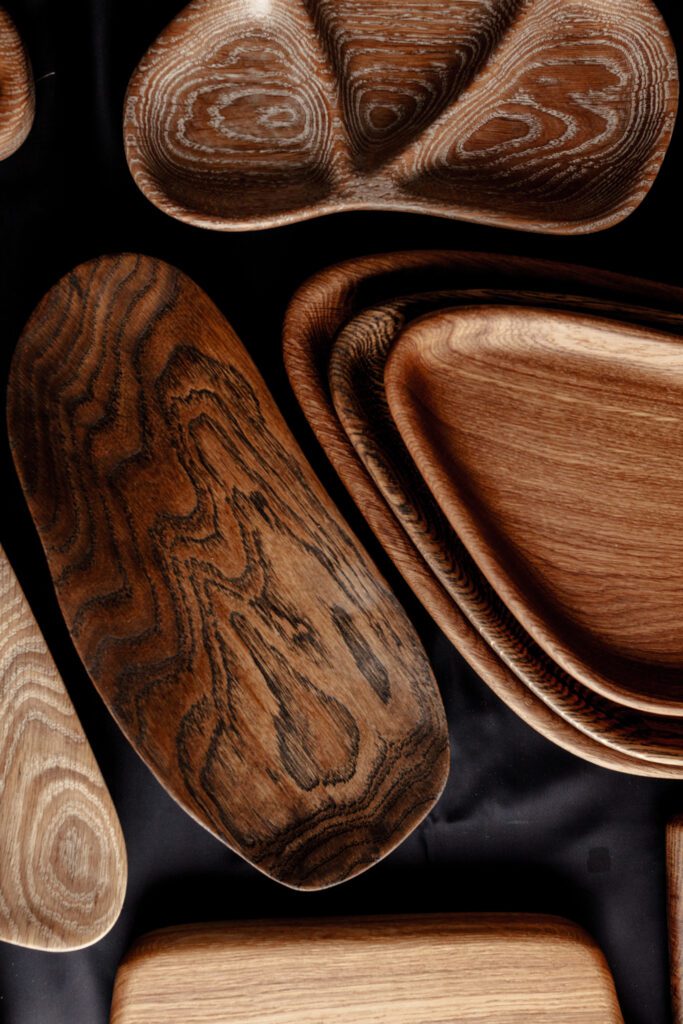
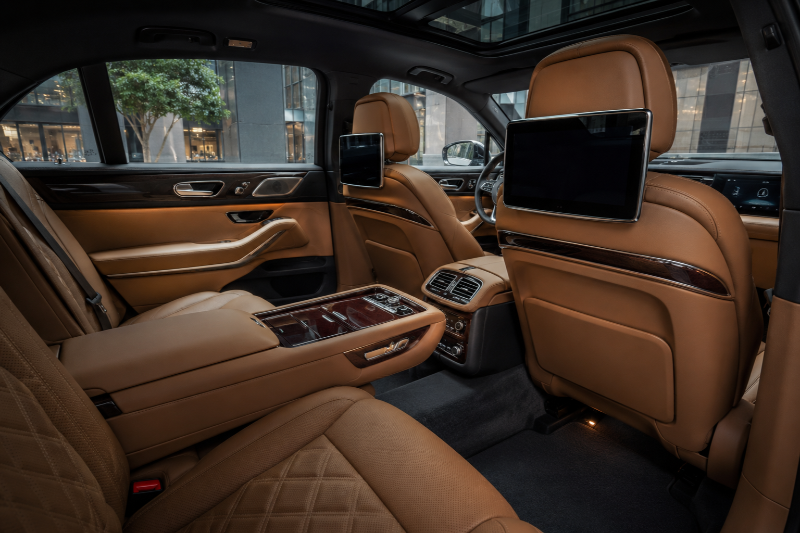
The emotional aspect of ownership is equally significant. True luxury vehicles create feelings of confidence, relaxation, and exclusivity. Additionally, premium materials such as handcrafted leather, open-pore wood, brushed aluminum, and sustainable alternatives elevate the tactile experience inside the cabin.
Modern luxury also reflects meticulous attention to detail. Every interaction, whether adjusting a seat or operating an infotainment system, should feel effortless. As a result, luxury has evolved beyond mechanical excellence toward holistic experience design.
Key characteristics include:
- Exceptional ride comfort
- Premium material quality
- Cabin refinement and silence
- Personalized user experiences
- Seamless technology integration
The Most Important Features in True Luxury Cars
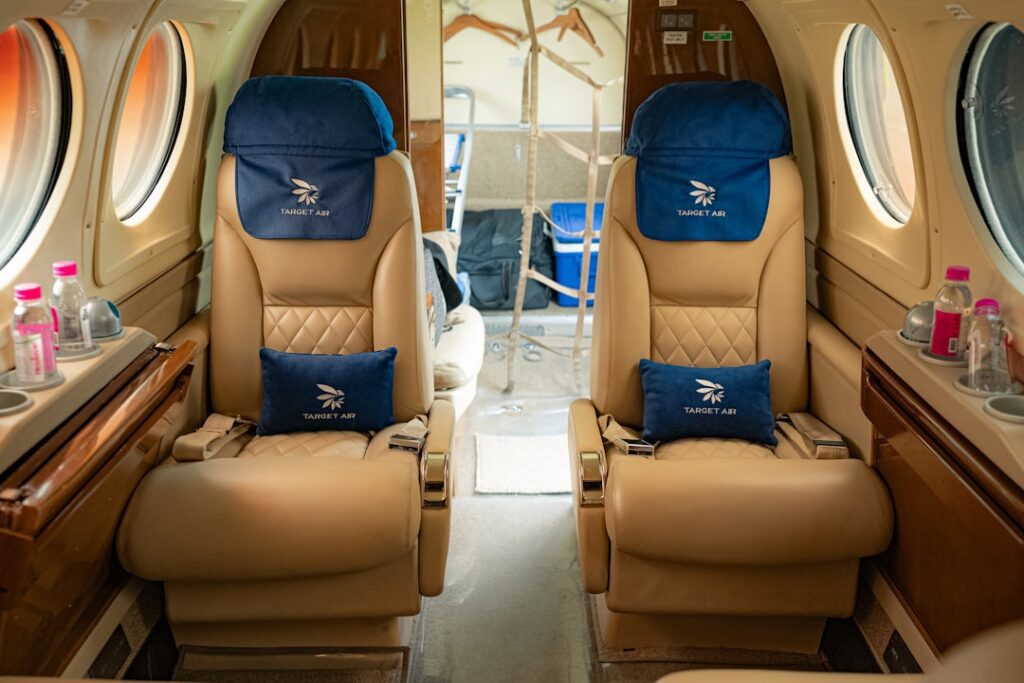
Advanced seating systems represent one of the most important developments in luxury automotive design. Modern executive vehicles offer multi-contour seats with massage functions, climate control, posture support, and biometric monitoring. Consequently, long-distance travel becomes significantly more comfortable and less fatiguing.
Noise reduction technology has also become a defining feature. Active noise cancellation systems, acoustic glass, advanced insulation materials, and electric drivetrains work together to create remarkably quiet environments. Moreover, cabin silence contributes directly to perceptions of luxury and exclusivity.
Interior craftsmanship remains central to the premium experience. However, luxury manufacturers are moving beyond traditional materials alone. Sustainable leather alternatives, responsibly sourced wood veneers, and innovative recycled materials now coexist with classic craftsmanship.
Additionally, adaptive suspension technologies dramatically improve ride quality. These systems continuously analyze road conditions and adjust damping characteristics in real time. Therefore, occupants enjoy exceptional comfort regardless of driving conditions.
| Feature Category | Luxury Car Implementation | User Benefit | Emotional Impact | Market Relevance |
|---|---|---|---|---|
| Seating Systems | Massage, ventilation, posture adjustment | Reduced fatigue | Relaxation | Extremely High |
| Cabin Silence | Acoustic glass, noise cancellation | Better comfort | Serenity | High |
| Craftsmanship | Premium materials and finishes | Enhanced quality perception | Exclusivity | High |
| Personalization | AI-based user profiles | Customized experience | Individuality | Growing |
| Suspension Technology | Adaptive ride systems | Smooth travel | Confidence | Essential |
Technology That Elevates the Luxury Driving Experience
Technology has become a major differentiator among luxury vehicles. However, premium technology succeeds only when it feels effortless and intuitive. Modern AI-powered infotainment systems anticipate driver needs, reducing friction and enhancing convenience.
Moreover, augmented driving assistance technologies improve safety while maintaining a sense of control. Features such as predictive navigation, adaptive cruise systems, and intelligent lane management help reduce driver workload during long journeys.
Smart climate control systems represent another important advancement. These technologies monitor cabin conditions and automatically adjust airflow, temperature, humidity, and air purification settings. Consequently, passengers experience consistently optimal comfort.
Meanwhile, connected ecosystems allow vehicles to interact with smartphones, smart homes, and workplace systems. This seamless integration enhances convenience while reinforcing the perception of technological sophistication.
Important luxury technologies include:
- AI-powered infotainment platforms
- Augmented driving assistance systems
- Predictive maintenance alerts
- Intelligent climate management
- Integrated digital ecosystems
Sustainability as a New Luxury Standard
Luxury and sustainability were once viewed as opposing concepts. Today, they are increasingly interconnected. Modern consumers expect premium brands to demonstrate environmental responsibility without compromising quality or performance.
The transition toward luxury electric vehicles has accelerated this shift. Electric powertrains deliver instant torque, near-silent operation, and exceptional refinement. Therefore, they align naturally with many traditional luxury values.
Additionally, manufacturers are adopting sustainable materials throughout vehicle interiors. Recycled textiles, responsibly sourced wood, low-impact leather alternatives, and environmentally conscious production methods are becoming more common across the luxury segment.
Carbon-neutral manufacturing initiatives further reinforce this trend. Consequently, sustainability has evolved from a marketing message into a core component of luxury brand identity. Buyers increasingly associate responsible production practices with modern prestige and sophistication.
Why Personalization Defines True Luxury Cars?
Personalization has become one of the strongest indicators of genuine luxury. Affluent buyers increasingly expect products that reflect their individual tastes and preferences rather than standardized configurations.
Luxury manufacturers now offer extensive customization options. Customers can select unique color combinations, specialized materials, handcrafted trim elements, and exclusive design packages. Moreover, bespoke programs provide levels of individuality previously reserved for ultra-luxury brands.
AI-driven personalization further enhances the ownership experience. Modern vehicles learn driver habits, seating preferences, climate settings, entertainment choices, and navigation routines. As a result, the vehicle adapts automatically to individual users.
Customizable ambient lighting, personalized digital interfaces, and profile-based vehicle settings create a more intimate relationship between owner and vehicle. Consequently, personalization has become a central pillar of modern automotive luxury.
The Psychology Behind Luxury Car Ownership
Luxury vehicle ownership extends beyond transportation needs. It often reflects personal identity, lifestyle aspirations, and emotional preferences. Therefore, understanding buyer psychology is essential when examining the luxury automotive market.
Status signaling remains a factor. However, modern luxury buyers increasingly prefer understated sophistication over overt displays of wealth. Elegant design, superior craftsmanship, and technological excellence often communicate prestige more effectively than aggressive styling.
Moreover, luxury vehicles provide emotional satisfaction through comfort, control, and exclusivity. Drivers appreciate the confidence that comes from operating a meticulously engineered product. Additionally, premium environments can reduce stress and enhance overall well-being.
The perception of control also plays a significant role. High-end vehicles simplify complex tasks through intuitive interfaces and intelligent assistance systems. Consequently, owners experience greater convenience and confidence in daily use.
Luxury Evolution: Then vs. Now
| Luxury Era | Design Priority | Technology Focus | Consumer Expectation | Industry Shift |
| 1990s | Prestige and size | Basic electronics | Status display | Traditional luxury |
| 2000s | Performance and power | Navigation systems | Performance prestige | Technology growth |
| 2010s | Connectivity and design | Digital interfaces | Convenience | Smart mobility |
| Early 2020s | Electrification | Driver assistance | Sustainability | EV adoption |
| 2026 and Beyond | Personalization and wellness | AI ecosystems | Experience-driven luxury | Intelligent mobility |
The Future of True Luxury Cars Beyond 2026
The future of true luxury cars will likely focus on intelligent environments rather than traditional vehicle specifications. Autonomous driving technologies are expected to transform cabins into versatile living and working spaces.
AI-powered cabin ecosystems will become increasingly sophisticated. These systems may anticipate occupant needs, optimize wellness conditions, and manage productivity tasks without direct input. Consequently, luxury experiences will become more proactive and personalized.
Integration with smart city infrastructure will further enhance convenience. Vehicles may communicate with traffic systems, charging networks, parking facilities, and connected environments to streamline mobility experiences.
Meanwhile, luxury mobility services could redefine ownership itself. Flexible access models, subscription services, and on-demand premium transportation may complement traditional ownership structures. Therefore, luxury will increasingly be measured through adaptability and convenience rather than possession alone.
Future luxury trends include:
- Fully autonomous premium travel
- AI-managed cabin environments
- Wellness-focused vehicle design
- Smart city connectivity
- Hyper-personalized mobility services
Unique Insight: The Deeper Meaning of Luxury in 2026
The evolution of true luxury cars reflects a broader cultural transformation. Luxury is no longer defined primarily by horsepower, engine displacement, or conspicuous displays of wealth. Instead, it increasingly revolves around comfort, intelligence, sustainability, and personalization.
Modern consumers place greater value on emotional connection than mechanical excess. They seek products that enhance quality of life, reduce stress, and create meaningful experiences. Consequently, vehicles are evolving into intelligent living spaces rather than simple transportation tools.
Sustainability is also reshaping premium ownership expectations. Buyers increasingly associate environmental responsibility with sophistication and long-term value. Moreover, brands that successfully combine luxury with sustainability often achieve stronger emotional engagement.
The most successful luxury vehicles of 2026 understand this shift. They prioritize how occupants feel before, during, and after every journey. Therefore, the future of luxury mobility will focus on adaptability, wellness, and user-centric intelligence.
Ultimately, true luxury cars are defined not merely by how they perform, but by how they make people feel. That distinction may become the most important luxury feature of all.
FAQs
What defines a true luxury car?
A true luxury car combines exceptional comfort, premium craftsmanship, advanced technology, refinement, personalization, and a superior ownership experience.
What features are essential in luxury cars in 2026?
Key features include advanced seating systems, AI personalization, adaptive suspension, cabin noise reduction, and connected digital ecosystems.
Are electric cars considered luxury vehicles?
Yes. Many modern luxury vehicles use electric powertrains because they provide quiet operation, smooth acceleration, and advanced technology integration.
How important is technology in luxury cars?
Technology is crucial because it enhances comfort, convenience, safety, personalization, and overall user experience.
What makes a car feel premium?
High-quality materials, excellent craftsmanship, ride comfort, cabin silence, and intuitive technology contribute to a premium feel.
Why is personalization important in luxury vehicles?
Personalization allows owners to create unique experiences that reflect their preferences and lifestyle.
Do luxury cars focus more on comfort or performance?
Modern luxury vehicles prioritize comfort and refinement while still delivering strong performance capabilities.
What brands make the most luxurious cars?
Brands such as Rolls-Royce Motor Cars, Bentley Motors, Mercedes-Benz, BMW, and Lexus are widely recognized for luxury excellence.
How is sustainability affecting luxury cars?
Manufacturers are adopting electric powertrains, sustainable materials, and carbon-neutral production methods to meet evolving consumer expectations.
What is the future of luxury automobiles?
The future includes autonomous driving, AI-powered personalization, smart city integration, wellness-focused interiors, and highly adaptive mobility experiences.