Smart property owners continuously look for ways to protect and grow their net worth. Real estate represents a major pillar of personal wealth, meaning physical upkeep directly influences financial health. Focusing on the exterior of a property provides two distinct advantages.
It shields the structure from depreciation and positions the asset for maximum market performance. Allocating capital to exterior renovations pays dividends in both immediate valuation and long-term wealth preservation. This strategic approach makes certain that the home remains a premium financial asset for future generations.
Maximize Real Estate Asset Value
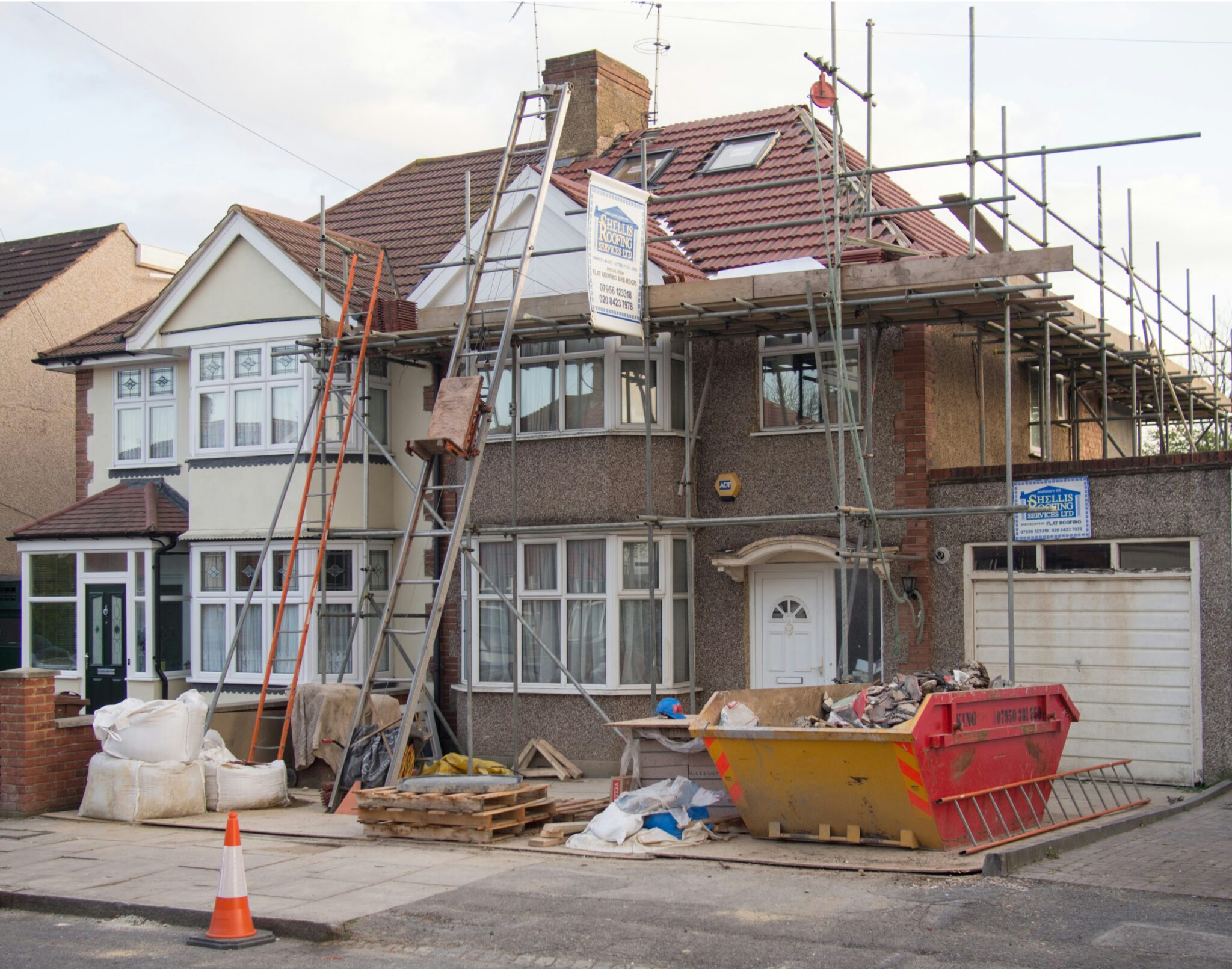
Market data shows that strategic improvements before a sale prevent capital loss. A market analysis by a leading real estate platform revealed that 15% of sellers repaired or replaced their roof before listing their property. This proactive choice protects equity during building inspections.
Buyers routinely discount offers when facing immediate renovation needs. Upgrading beforehand secures a stronger negotiating position and maintains the premium status of the asset. Sellers who address these needs secure faster transaction times and avoid aggressive price concessions from buyers. Maintaining an immaculate exterior preserves the initial valuation benchmark established by competitive neighborhood comparables.
Upgrade to High-Return Entryways
Certain architectural modifications offer immediate financial recovery upon installation. A home improvement publication noted that a new steel entry door provides a remarkable 236.2% return on investment. This specific upgrade yields immediate equity gains far outperforming standard financial market averages.
First impressions heavily dictate buyer psychological valuations during property tours. Selecting premium materials for primary entry points transforms the initial perception of luxury and security. High-net-worth buyers associate heavy, pristine doors with superior structural integrity throughout the entire estate. These structural upgrades communicate a sense of safety that appeals to discerning families.
Long-Term Value in Modern Roofing
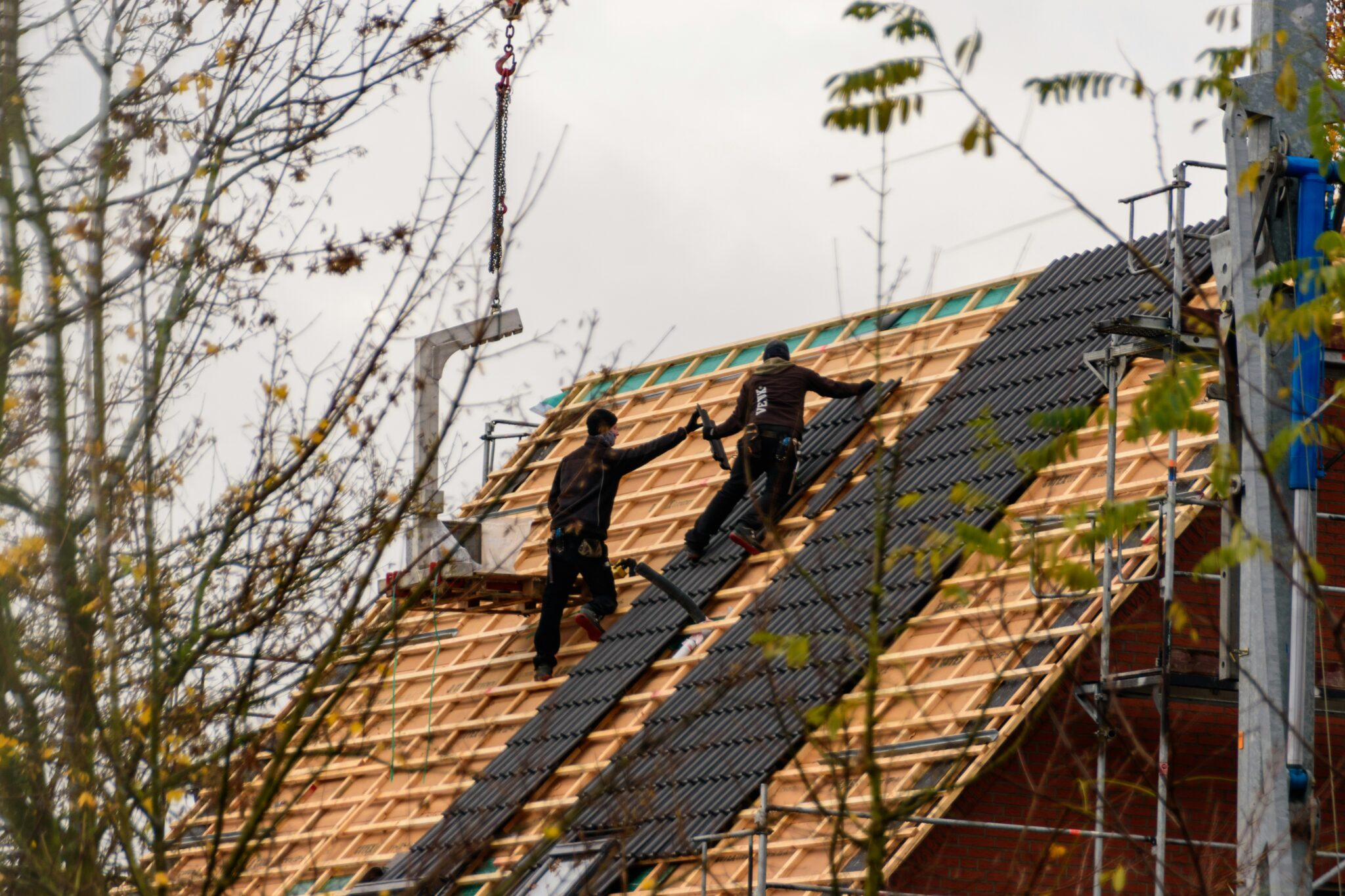
Roofing longevity directly correlates with asset preservation over decades. Property managers frequently choose residential metal roof replacements to minimize recurring maintenance costs. These advanced systems resist severe weather patterns far better than traditional asphalt alternatives. Investing in premium materials mitigates the risk of sudden internal water damage.
Long-term durability shifts the property away from standard depreciation cycles. Modern construction materials protect the foundational investment from heavy storms and seasonal wear. This preservation technique solidifies the property valuation when regional markets experience volatility. Minimizing maintenance liabilities increases the net liquidity of the property asset.
Advanced Climate Tech for Properties
Modern building science introduces options that lower operational costs for large estates. An industry report highlighted that emerging thermochromic coatings adjust reflectivity based on temperature to optimize energy use. Implementing these innovations keeps structures insulated efficiently during extreme seasonal shifts.
Lowering utility expenses increases the net operating income of a real estate asset. Forward-thinking investors integrate these technological solutions to attract premium tenants and buyers. Reduced operating costs increase the total cap rate and attract sophisticated institutional buyers. Lower overhead costs directly improve the long-term cash flow profile of the property.
Boosting Visual Appeal and Curb Premium
A property’s exterior sets the tone for its entire appraisal valuation. Aesthetic updates create an immediate sense of prestige that justifies a higher asking price. High-quality paint, modern siding, and pristine walkways form a cohesive presentation of wealth. Meticulous landscaping accents further distinguish elite properties from surrounding listings.
Consider these specific exterior items that drive financial performance:
- Premium stone veneer accents along the foundation facade.
- Low-voltage architectural lighting systems highlight structural design.
- Professional heavy landscaping utilizing mature perennial greenery.
- Seamless aluminum gutters minimize water runoff risks.
These additions elevate the aesthetic profile and signal meticulous property management. Discerning buyers notice these details immediately during a premium walkthrough. Strategic curb improvements consistently generate a higher closing premium compared to neglected properties nearby. Investing in these visual elements yields reliable returns by creating immediate buyer desire.
Shielding Equity Against Environmental Wear
Deferred maintenance is a silent killer of real estate portfolios. Neglecting the outer shell leads to moisture infiltration, structural rot, and declining neighborhood status. Addressing exterior vulnerabilities early preserves the core capital invested in the home.
Consistent capital allocation toward exterior preservation safeguards wealth against inflation and structural decay. Wise investors treat exterior upkeep as a defensive financial strategy. Regular monitoring of the exterior envelope keeps the portfolio resilient against environmental degradation. Proactive structural maintenance serves as a shield protecting the primary wealth vehicle.
Investing in a home exterior serves as a dual-purpose financial tool. It creates immediate aesthetic appreciation and fortifies the physical asset against market downturns. Discerning property owners recognize that exterior upgrades are not mere expenses.
These capital expenditures actively build equity, optimize tax positioning through property improvements, and secure long-term generational wealth. Protecting the physical shell safeguards the entire financial portfolio. This long-term commitment keeps the estate ahead of market trends. Continuous deployment of capital into high-grade materials guarantees lasting market dominance.