For serious watch collectors, preserving a timepiece is about more than keeping it in a box. The true art lies in enjoying the watch while protecting the details that make it valuable: the case, the dial, the movement, the papers, and increasingly, the original bracelet or strap. As the secondary market for luxury watches continues to reward originality and condition, collectors are becoming more strategic about how they wear their most prized pieces.
One increasingly popular solution is the premium aftermarket rubber strap.
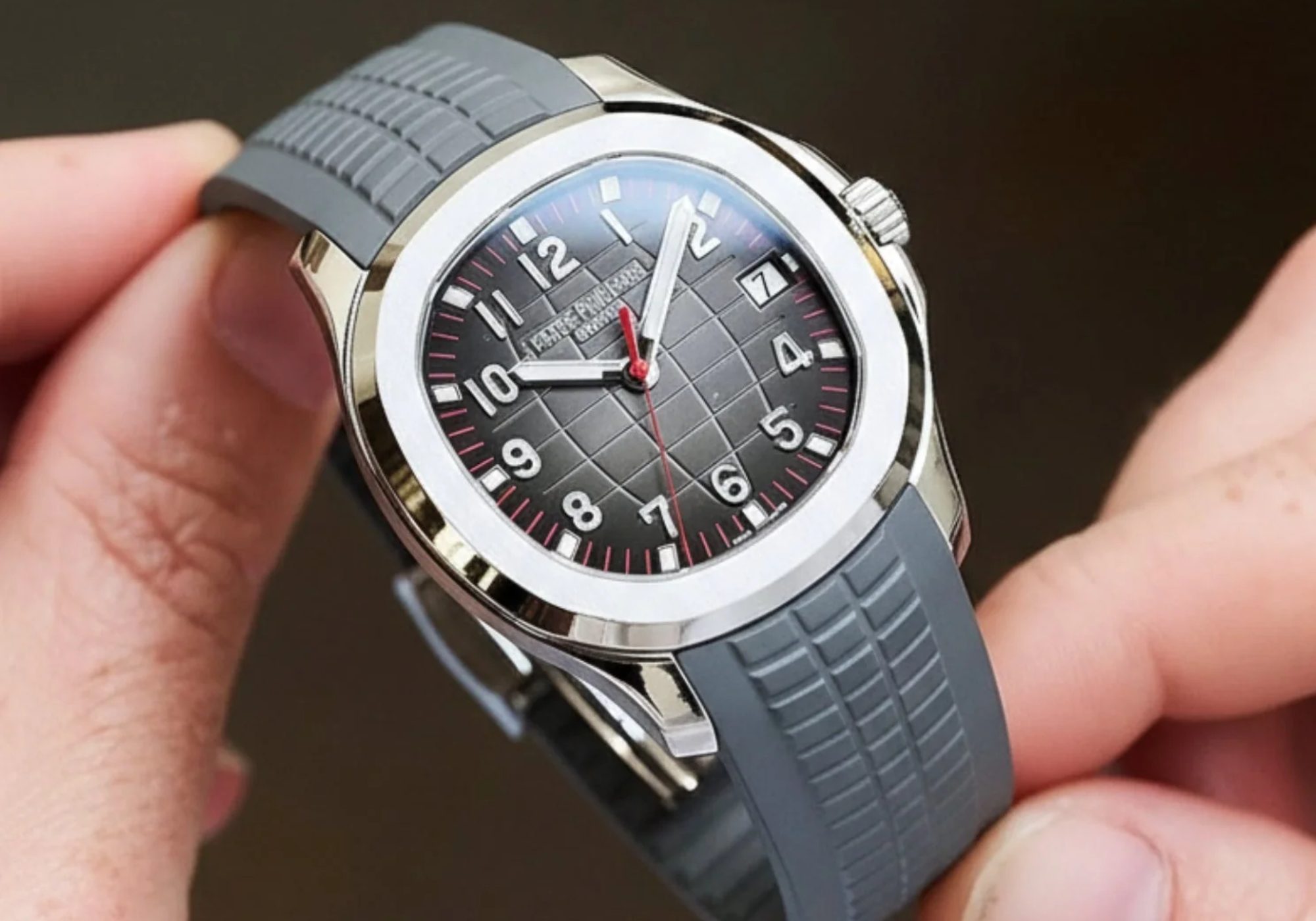
From Rolex and Omega to Cartier, Audemars Piguet, Patek Philippe, Aquanaut, and other coveted names, collectors are embracing compatible rubber straps to make their watches more wearable, more comfortable, and often more practical for daily life. The appeal is not simply aesthetic. It is also about preservation.
A factory bracelet is part of a watch’s identity. Whether it is a Rolex Oyster bracelet, an integrated Audemars Piguet bracelet, or a distinctive precious metal option, the original components can have a meaningful impact on resale value. Over time, however, daily wear can introduce scratches, stretching, dings, and general signs of use. For collectors who want to keep the factory bracelet as pristine as possible, switching to an aftermarket rubber strap for everyday wear can be a smart protective measure.
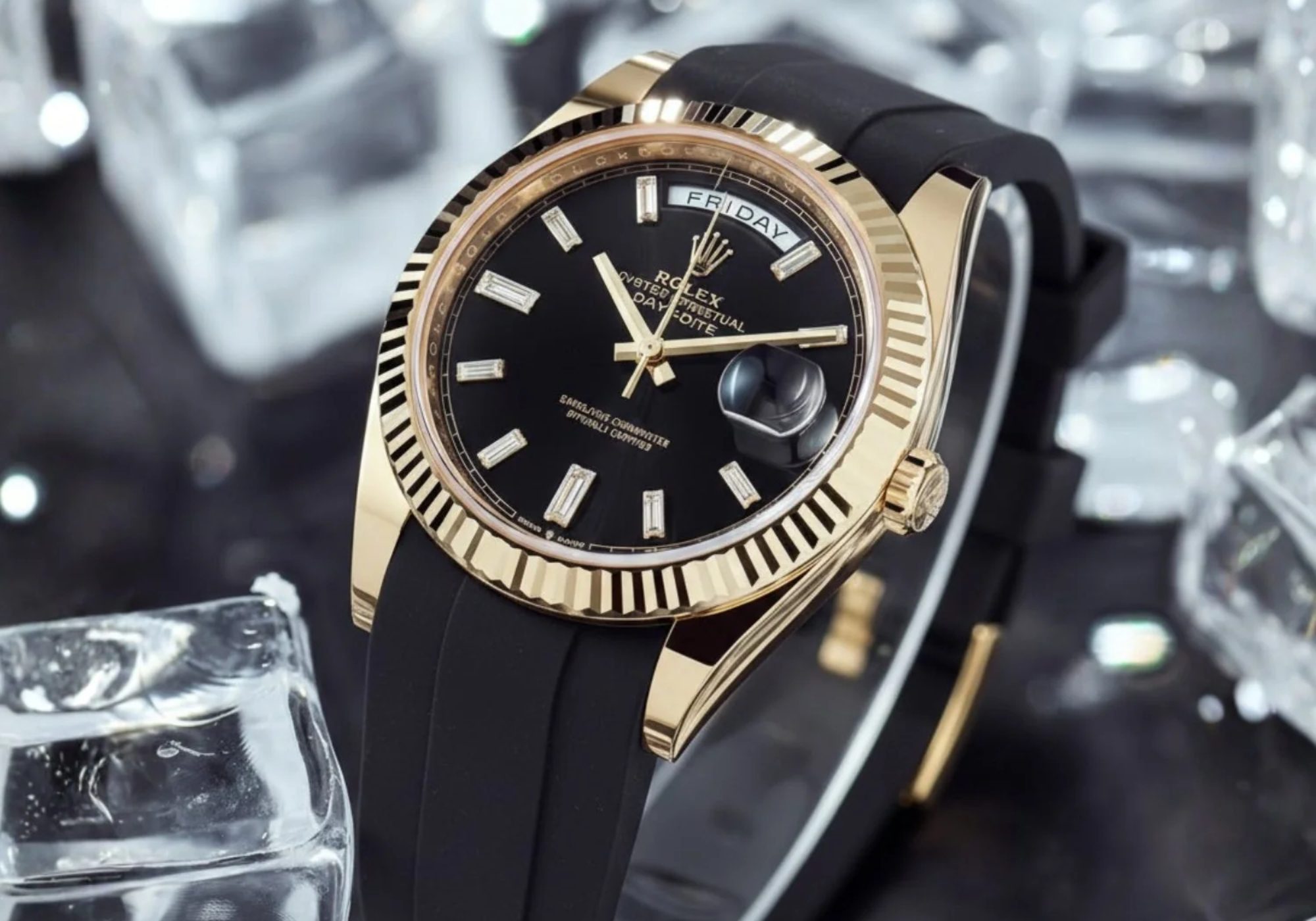
This is especially relevant for Rolex owners, whose watches are often worn as both luxury accessories and long-term assets. High-quality rubber straps for Rolex allow collectors to enjoy their watches in more relaxed, active, and travel-friendly settings while keeping the original bracelet safely preserved. The result is a more versatile wearing experience without compromising the watch’s original components.
The preservation argument is powerful because the auction and resale markets often place a premium on condition. A watch that comes with its original bracelet in excellent shape may be more attractive to future buyers than one showing heavy daily wear. While a strap change will not replace the importance of provenance, service history, or overall condition, it can help reduce unnecessary wear on parts that collectors may want to keep original.
Comfort is another major reason collectors are making the switch. Premium FKM rubber is designed to withstand heat, sweat, humidity, and water far better than leather, while offering a softer and lighter feel than many metal bracelets. For travel, warm-weather destinations, boating, golf, tennis, or simply daily commuting, rubber can make a luxury watch feel more adaptable to real life.
There is also a style advantage. Rubber straps can subtly change the personality of a watch without altering the watch itself. A stainless-steel sports watch can feel more modern and casual. A precious metal piece can become more understated. A watch typically reserved for special occasions may suddenly feel appropriate for a weekend lunch, resort getaway, or summer evening by the water.
Brands such as Helvetus have tapped into this shift by offering premium aftermarket straps designed to be compatible with leading luxury watch models. It is important to note that these are not official straps from Rolex, Cartier, Patek Philippe, Audemars Piguet, Omega, or any other watch house. Rather, they are aftermarket accessories created for collectors who want more flexibility in how they wear and protect their watches.
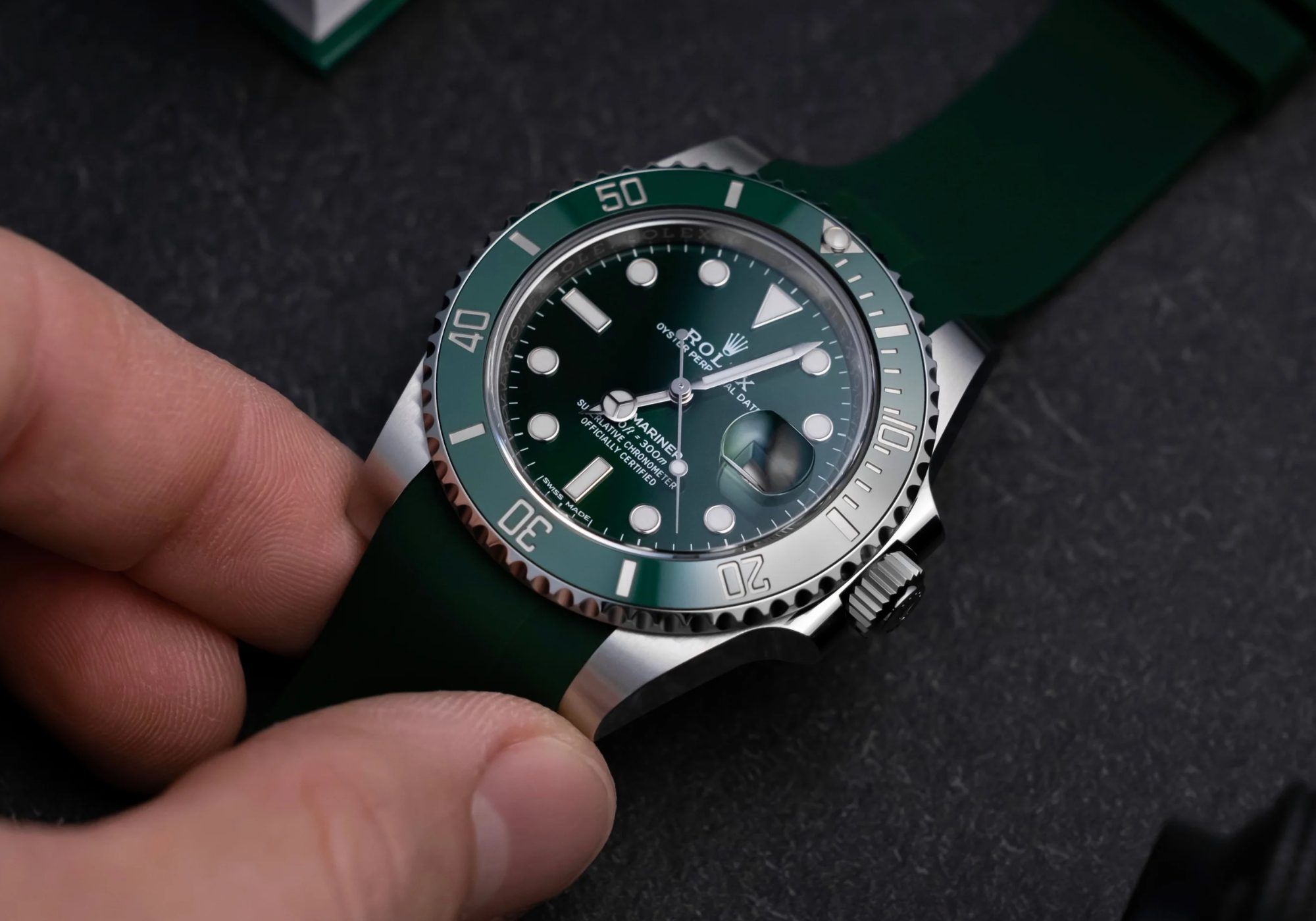
For a new generation of collectors, luxury is not only about ownership. It is about intelligent stewardship. A watch can be both enjoyed and preserved. It can be worn more often without exposing every original component to daily wear. It can move from business meetings to beach clubs, from city streets to summer travel, with a simple strap change.
In that sense, the premium rubber strap has become more than an accessory. It is a practical tool for protecting value, extending versatility, and making some of the world’s most iconic watches easier to enjoy every day.