Luxury watch collecting has traditionally been shaped by a relatively narrow group of recognisable models. These watches became default choices because they offered heritage, status and an established place within the market.
That remains true, but it no longer tells the whole story.
More collectors are looking beyond the most predictable purchases and building collections around design, historical interest and personal relevance. The emphasis is shifting from owning the watch that everyone recognises to finding the watch that feels considered and distinctive.
This does not mean abandoning established manufacturers. Instead, it means looking more carefully at what different brands, periods and models offer.
Recognition Is Not the Same as Individuality
A famous name can make a watch easier to understand, compare and eventually sell. However, recognition alone does not make it the right choice for every collector.
The most rewarding collections often contain watches that serve different purposes. One may be historically important, another mechanically interesting and another simply enjoyable to wear. A collection built entirely around external recognition can become expensive without becoming particularly personal.
This is one reason collectors are giving greater attention to models that were previously overshadowed by a manufacturer’s most obvious references. Discontinued designs, unusual case materials and less familiar complications can offer considerably more character than the safest possible purchase.
They may also reveal more about the collector. Choosing a watch because of its architecture, movement or connection to a particular period says something different from buying whichever model currently attracts the longest waiting list.
Cartier and the Return of Design-Led Collecting
Cartier demonstrates how a watch can be valued for much more than its mechanical specification.
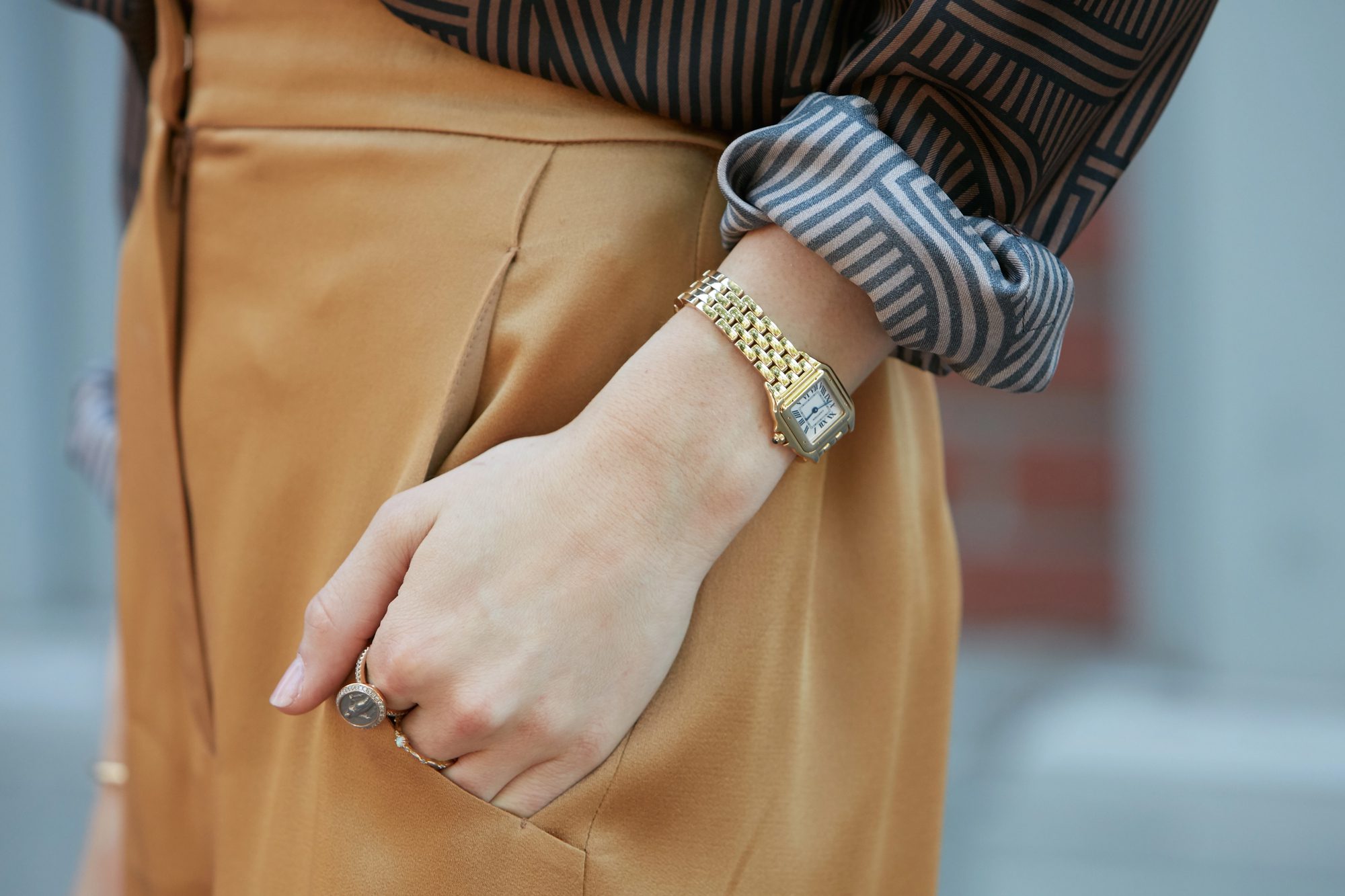
The Santos, Tank, Pasha and Ballon Bleu each have a distinct design identity. Their cases, proportions and visual details are recognisable without relying on oversized branding or conventional sports-watch styling.
The Santos is particularly important. Originally created in the early twentieth century for aviator Alberto Santos-Dumont, its exposed screws and geometric case still look contemporary more than a century later. The Tank takes a different approach, using strong lines and restrained proportions to create a watch that can work as both an everyday object and a piece of formal design.
These watches also show why case size should not be treated as a simple measure of value. A carefully proportioned Cartier may appear modest beside a modern diving watch but have far greater presence once worn. The relationship between the case, dial, bracelet and wrist matters more than the measurement in isolation.
The pre-owned market gives collectors access to numerous generations, materials and configurations that may no longer be available through current production. Looking through a varied selection of used Cartier watches can reveal everything from traditional precious-metal dress watches to steel and gold Santos models designed for regular wear.
Condition remains important, but the objective should not always be to find the newest-looking example. Overpolishing can soften the case lines that define a Cartier design. Original components and strong proportions may be more desirable than a heavily refinished case presented as immaculate.
TUDOR and the Appeal of Purposeful Watchmaking
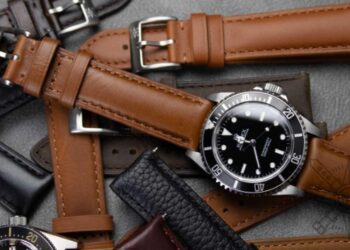
TUDOR attracts a different type of interest. Its strongest watches tend to combine historical references with practical modern construction.
The Black Bay family draws from the company’s long association with diving watches while offering contemporary movements, materials and dimensions. The Pelagos takes a more technical approach, while discontinued models such as the North Flag show a less familiar side of the manufacturer.
This variety allows collectors to choose between recognisable heritage styling and more individual references without leaving the same brand. A survey of current pre-owned TUDOR watches may include modern Black Bay models alongside chronographs, professional diving watches and discontinued pieces that are no longer represented in the current catalogue.
TUDOR is also a useful example of why collectors should judge individual references rather than relying solely on a brand’s general reputation. Two watches carrying the same name can differ considerably in movement, proportions, bracelet design and long-term appeal.
The best purchase is therefore not necessarily the most popular TUDOR. It is the reference that offers the right combination of condition, specification and wearability for the buyer.
Why the Pre-Owned Market Encourages Better Choices
Buying pre-owned expands the field beyond the latest releases. It gives collectors access to discontinued references, earlier case proportions, limited editions and configurations that may have disappeared from current catalogues.
It can also remove some of the pressure to follow the release cycle. New watches arrive constantly, and early attention often concentrates on novelty rather than lasting quality. A pre-owned watch has already had time to establish how it wears, how it ages and whether its design retains interest after the initial launch period.
That does not mean every discontinued watch is collectible or that every limited edition is desirable. Scarcity can be manufactured, and low production alone does not create lasting significance.
The watch still needs a reason to matter. That reason might be an unusual movement, an important design, a compelling historical connection or simply an exceptional wearing experience.
Condition, Originality and Completeness
Once a collector moves beyond the most familiar models, careful assessment becomes even more important.
Box and papers can add value, particularly for recent, rare or highly collectable watches. However, they should not be treated as a substitute for evaluating the watch itself. Papers do not confirm that every component remains original, while a replacement box can easily be added later.
Condition must also be considered in context. A twenty-year-old watch showing light evidence of careful wear may be preferable to one that has been polished repeatedly. Service replacement parts can improve reliability while reducing originality. Neither outcome is automatically right or wrong, but the buyer should understand what has changed.
Service history, movement condition, case geometry and included accessories should all be assessed together. No single checkbox determines whether a watch is a good example.
A Collection Should Have a Point of View
The strongest collections rarely look as though they were assembled from a list of market rankings. They reflect the owner’s interests.
That might mean focusing on aviation, diving, independent watchmaking, shaped cases or watches connected to a particular period. It could mean pairing a design-led Cartier with a functional TUDOR, rather than buying several similar steel sports watches from competing brands.
Price does not create coherence. A small collection of carefully chosen watches can be more interesting than a larger collection built around prestige alone.
Luxury is often discussed in terms of access and exclusivity. In watch collecting, however, knowledge and selectivity can be just as important. The ability to recognise quality outside the most obvious choices allows a collector to build something more personal, varied and difficult to replicate.
The objective should not simply be to own what everyone else wants. It should be to understand why a watch deserves a place in your collection.