Seattle’s climate presents unique challenges for homeowners planning major exterior upgrades. Persistent rainfall, cloudy skies, and fluctuating temperatures influence how roofing materials perform throughout the year. Timing plays a crucial role in ensuring durability, efficiency, and long-term protection for residential structures.
Property owners frequently consult contractors to determine the ideal schedule for project completion. Many rely on a trusted roof replacement service to align installation plans with favorable weather conditions. The following sections reveal how seasonal changes affect roofing work and why timing decisions matter more than expected.
Seasonal Weather Patterns Affect Installation Timing
Seattle experiences distinct seasonal variations that directly influence the success and efficiency of roofing projects. Roofing contractors carefully monitor weather forecasts to avoid delays caused by sudden rain showers or moisture accumulation. Dry conditions allow materials to seal properly, which ensures stronger adhesion and long-lasting performance.
Excess humidity during colder months may prevent shingles from bonding correctly, leading to premature wear. Contractors adjust timelines based on regional climate trends to maintain consistent quality standards. Extended daylight hours during certain seasons also provide crews with more working time each day. Strategic planning around weather patterns helps professionals deliver reliable outcomes without unnecessary complications.
Spring Conditions Offer Balanced Project Timelines
Spring presents moderate temperatures that support efficient installation without extreme heat or cold interference. Roofing contractors in Seattle find this season suitable for scheduling projects due to relatively stable weather patterns. Occasional rain still occurs, yet longer dry intervals allow crews to complete tasks with minimal interruptions. Materials remain flexible during moderate temperatures, which supports proper placement and sealing.
Contractors also benefit from increased availability of resources before peak demand begins. Property owners who plan early in spring may secure better scheduling options and competitive pricing. This season provides a practical balance between weather stability and contractor availability.
Summer Demand Increases Contractor Workload Levels
Summer brings extended daylight and warmer temperatures, which create favorable conditions for roofing work. Contractors in Seattle experience high demand during this period, resulting in tighter schedules and longer wait times. Dry weather allows materials to adhere effectively, reducing risks associated with moisture-related issues.
However, increased demand may limit flexibility for last-minute project adjustments. Roofing professionals typically prioritize projects booked well in advance to maintain workflow efficiency. Elevated temperatures also require careful handling of materials to prevent heat-related damage. Summer remains a popular choice, though early planning becomes essential for securing timely service.
Autumn Provides An Optimal Balance For Durability
Autumn offers cooler temperatures and reduced rainfall compared to winter months, creating ideal conditions for roofing projects. Contractors in Seattle appreciate the consistent climate, which supports accurate installation and reliable material performance. Shingles seal effectively during mild temperatures, ensuring strong protection against upcoming seasonal changes.
Reduced humidity allows roofing layers to dry properly, minimizing long-term moisture risks. Many professionals consider this period one of the most efficient times for completing major replacements. Property owners benefit from improved scheduling flexibility after peak summer demand decreases. Autumn conditions contribute to structural integrity and efficient project completion.
Winter Challenges Limit Roofing Project Efficiency
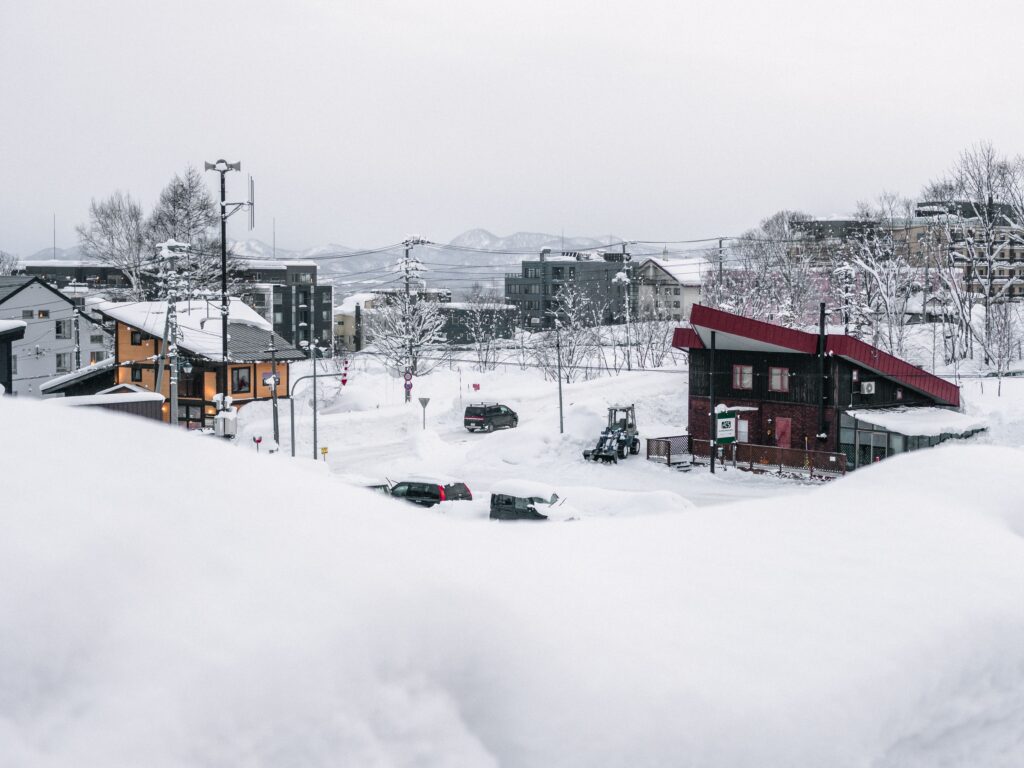
Winter introduces heavy rainfall, shorter daylight hours, and colder temperatures that complicate roofing operations. Contractors face delays due to unsafe working conditions and persistent moisture exposure. Materials become brittle at low temperatures, increasing the likelihood of damage during installation.
Frequent rain prevents proper sealing, leading to potential performance issues over time. Roofing professionals in Seattle may still handle urgent replacements, though scheduling becomes less predictable. Limited daylight reduces productivity, which extends project timelines significantly. Winter remains the least favorable period for planned replacements due to environmental constraints.
Selecting the right season for a roofing project greatly influences durability, efficiency, and overall performance. Contractors rely on weather patterns and material behavior to guide installation timelines effectively. Many property owners turn to a reliable roof replacement service when planning projects around Seattle’s unique climate conditions. Careful timing ensures lasting protection while reducing the risk of future complications.